As we mentioned, your skin is a living, functional organ—and it does so much to protect you. “The skin not only gives clues into what’s happening beneath the surface in terms of immune function, nutrition, oxidative stress, and metabolic issues, to name a few, but it’s the body’s first line of defense against infection, environmental stressors, and loss of nutrients and water,” board-certified dermatologist Keira Barr, M.D., once told us. “The skin microbiome is constantly interacting with our environment and works to support our health by protecting against infection, influencing the immune response, protecting against UV radiation, and helps provide nourishment to the skin cells.”
Similar Posts
Do We Have a Choice But to Ensure the Success of VBC? Part 1
Value-based care has had a bad rap in recent years with a litany of not-so-great news:…
3 Innovations Philips Is Showcasing at RSNA 2024
The Radiological Society of North America is hosting its annual meeting in Chicago this week, allowing…
Congress’ New Healthcare Package: 7 Things to Know
Congress reached a bipartisan agreement this week on a healthcare funding and policy package included in…
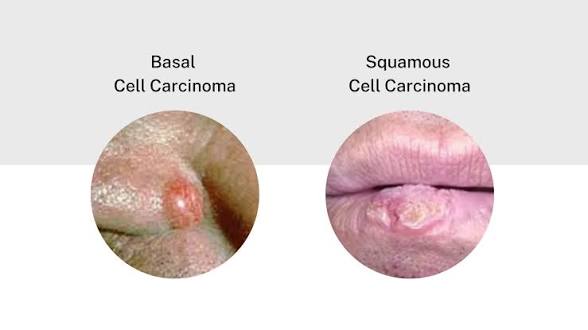
Basal Cell Carcinoma vs. Squamous Cell Carcinoma: Key Differences
If you’ve been told you might have basal cell carcinoma vs squamous cell carcinoma and aren’t…
Evolving Trends in Facial Plastic Surgery: A Shift Toward Subtle, Natural Results
Among the different types of cosmetic procedures, facial plastic surgery has always reflected the cultural ideals…
FDA Approves Regeneron Multiple Myeloma Drug With Dosing Edge Over J&J and Pfizer Meds
Regeneron Pharmaceuticals is expanding its cancer drug lineup with FDA approval of a bispecific antibody it…