Whether you’re a college student living off instant noodles, a busy professional stocking up for quick meals, or a prepper building your emergency stash, you’ve probably wondered: can ramen go bad? With conflicting advice online and mysterious date codes on packaging, it’s easy to feel uncertain. This guide dives deep into the facts and myths about ramen expiration, empowering you to make safe, informed choices—without wasting food or risking your health.
What Is Ramen?
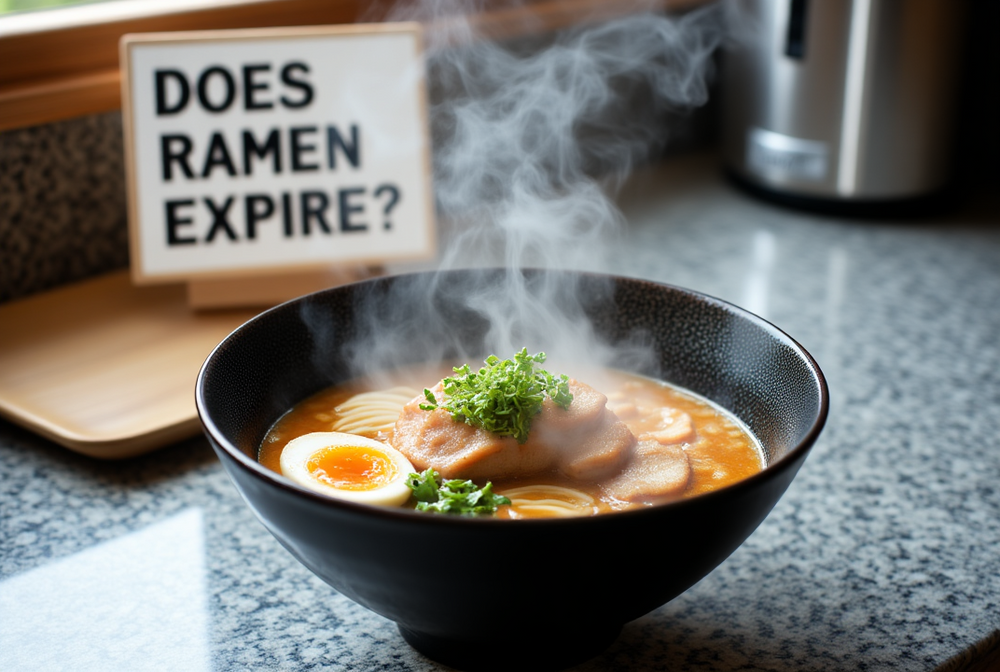
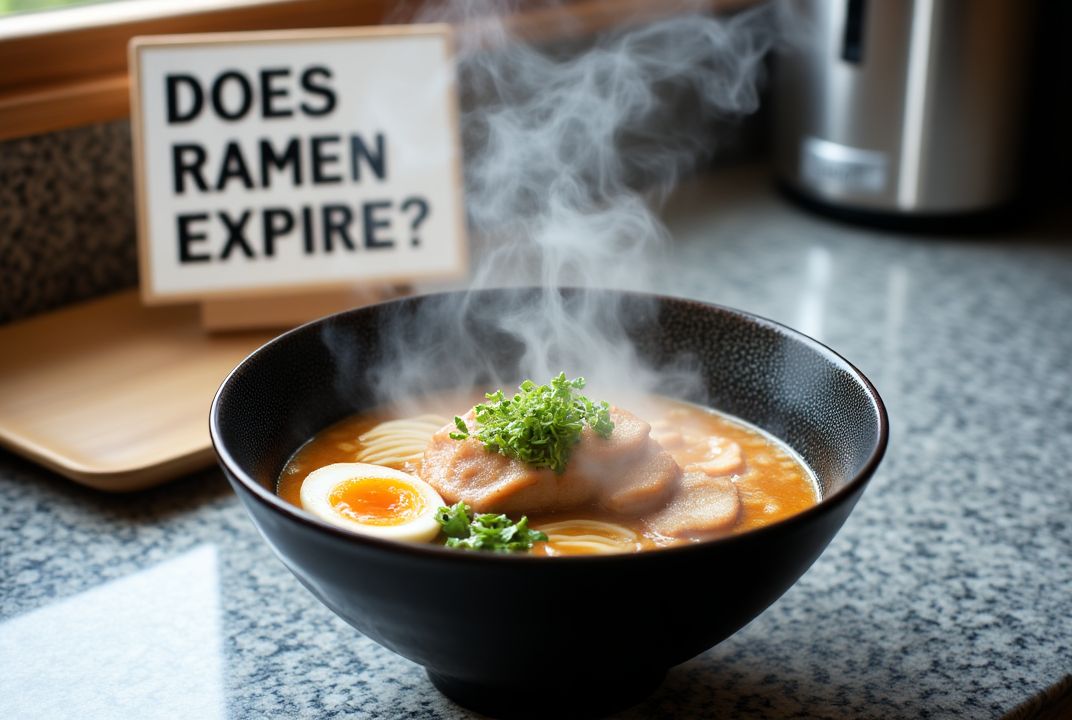
Ramen is a popular Japanese noodle dish that typically features wheat-based noodles served in a savory broth, often accompanied by toppings like sliced pork, green onions, seaweed, and a soft-boiled egg. While traditional ramen is a culinary art form found in restaurants across Japan, instant ramen—pre-cooked, dried noodles with a flavor packet—has become a global pantry staple due to its affordability, convenience, and long shelf life. Whether enjoyed as a quick meal or a customizable comfort food, ramen’s versatility and satisfying flavors have made it a favorite for people of all ages and backgrounds.
Does Ramen Expire?
Yes, ramen does expire, though its shelf life is impressively long compared to many other foods. Instant ramen is preserved with dehydrated noodles and often contains added preservatives, allowing it to last anywhere from one to two years past its production date when stored properly. However, both the noodles and the seasoning packets can eventually degrade, leading to changes in flavor, texture, and potentially safety. While ramen may still be edible after its “best before” date, it’s important to check for signs of spoilage—such as off smells, discoloration, or mold—before consuming, as expired ramen can become unsafe under certain conditions.
Ramen Facts vs Myths
Ramen Facts
- Instant ramen typically has a shelf life of 1–2 years when stored in a cool, dry place.
- The “best before” date on ramen packaging indicates peak quality, not an exact expiration for safety.
- Both the noodles and the seasoning packet can degrade over time, affecting taste and texture.
- Proper storage—away from heat, moisture, and direct sunlight—can significantly extend ramen’s freshness.
- Signs of spoiled ramen include an off smell, discoloration, visible mold, or a damaged package.
Ramen Myths
- Ramen lasts forever and can never go bad.
- Eating expired ramen is always dangerous, regardless of its condition.
- All ramen types (cup, packet, fresh) have the same shelf life and storage needs.
- Preservatives in instant ramen make it immune to bacteria or mold.
- The seasoning packet is always safe to use, even if the noodles are old.

How Long Does Ramen Usually Last?
Instant ramen usually lasts between one and two years from its production date, thanks to its dehydrated noodles and airtight packaging. The exact shelf life can vary depending on the brand, packaging type (packet or cup), and storage conditions. While ramen often remains safe to eat for several months past its “best before” date if stored in a cool, dry place, its flavor and texture may gradually decline over time. Always check for signs of spoilage, such as unusual smells, discoloration, or damaged packaging, before consuming ramen that’s been stored for an extended period.
Signs Your Instant Ramen Has Expired
|
Sign |
What to Look For |
Why It Matters |
|---|---|---|
|
Off Smell |
Sour, rancid, or chemical odors when opening the package |
Indicates spoilage or rancid oils |
|
Discoloration |
Noodles or seasoning appear yellowed, faded, or have dark spots |
Suggests age, oxidation, or mold growth |
|
Visible Mold |
White, green, or black fuzzy patches on noodles or inside the packet |
Clear sign of unsafe, spoiled food |
|
Unusual Texture |
Noodles feel sticky, clumped, or unusually brittle |
May result from moisture exposure |
|
Damaged Packaging |
Tears, holes, or bloated packaging |
Increases risk of contamination and spoilage |
What Happens If You Eat Expired Ramen?
Eating expired ramen isn’t always dangerous, but it does carry some risks depending on how far past its date it is and how it’s been stored. In many cases, expired ramen simply tastes stale or has a less appealing texture, but if the noodles or seasoning have developed mold, off smells, or discoloration, consuming them can lead to foodborne illness, including stomach upset, nausea, or more serious health issues. Preservatives in instant ramen help slow spoilage, but they can’t prevent it indefinitely, so it’s important to inspect old ramen carefully and avoid eating it if there are any signs of spoilage.
Why Bone Broth Ramen Is a Smart Swap?
Swapping traditional instant ramen for bone broth ramen, like Dr. Kellyann’s Ramen Beef Bone Broth, is a smart choice for anyone seeking a healthier, more nourishing meal. Unlike standard ramen, which is often high in sodium and low in nutrients, bone broth ramen is packed with protein, collagen, and essential amino acids that support gut health, joint function, and immune strength. It’s also free from artificial ingredients and gluten, making it a cleaner, more wholesome option that delivers comforting flavor without compromising on nutrition. This upgrade transforms a quick meal into a superfood-rich bowl that fuels your body and satisfies your cravings.
How Does It Compare to Regular Ramen?
Compared to regular instant ramen, Dr. Kellyann’s Ramen Beef Bone Broth offers a significant nutritional upgrade, delivering high-quality protein, collagen, and essential nutrients that support gut, joint, and immune health. While traditional ramen is often loaded with sodium, artificial flavors, and empty carbs, bone broth ramen is crafted without gluten, soy, or dairy, and is free from artificial ingredients. This makes it a cleaner, more nourishing option that still provides the rich, savory flavor ramen lovers crave, but with added health benefits and none of the guilt.
Whats The Best Way To Store Ramen So It Lasts Longer?
To maximize the shelf life of your ramen, store it in a cool, dry place away from direct sunlight, heat, and moisture—such as a pantry, cupboard, or sealed storage bin. Keeping ramen in its original, unopened packaging helps protect it from air and humidity, which can cause the noodles to become stale or even moldy over time. For extra protection, especially in humid climates or for long-term storage, consider placing ramen packets in an airtight container or resealable bag. Avoid storing ramen near strong-smelling foods, as the noodles can absorb odors, and always check the packaging for any signs of damage before use. Proper storage not only preserves freshness and flavor but also helps ensure your ramen remains safe to eat for as long as possible.
Common Ramen Mistakes To Avoid
- Ignoring Expiration Dates: Eating ramen far past its best-before date can lead to stale flavors or even spoilage; choosing high-quality options like Dr. Kellyann’s Ramen Beef Bone Broth ensures you’re getting a fresher, more nutritious product with a clearly marked shelf life.
- Storing Ramen Improperly: Leaving ramen exposed to moisture or heat can cause it to spoil faster; Dr. Kellyann’s bone broth packets are designed for easy, airtight storage, helping you maintain freshness longer.
- Overlooking Nutrition: Many instant ramens are high in sodium and low in nutrients; swapping to bone broth ramen provides added protein, collagen, and essential nutrients for a more balanced meal.
- Using All the Seasoning Packet: Dumping in the entire seasoning packet can make your meal overly salty and unhealthy; Dr. Kellyann’s bone broth ramen delivers rich, satisfying flavor without the need for excessive sodium or artificial additives.
- Not Checking for Spoilage: Failing to inspect ramen for off smells, discoloration, or damaged packaging can put your health at risk; with Dr. Kellyann’s bone broth ramen, you get a premium product with quality you can trust, reducing the chances of spoilage.
Conclusion
Ramen is a beloved staple for its convenience, affordability, and comforting taste, but understanding its shelf life and proper storage is key to enjoying it safely and at its best. While instant ramen can last for years when stored correctly, it’s important to recognize signs of spoilage and not rely on myths about its longevity. For those seeking a healthier, more nourishing alternative, bone broth ramen like Dr. Kellyann’s offers added benefits such as protein, collagen, and essential nutrients without sacrificing flavor. By making smart choices and following simple storage tips, you can enjoy your favorite noodles with confidence, knowing you’re prioritizing both taste and well-being.
Final ThoughtsEmpty heading
Curious about how to make your ramen both healthier and more delicious? Explore Dr. Kellyann’s best sellers, featuring nutrient-packed bone broths like chicken, beef, and french onion that can elevate any bowl. For a ramen-inspired twist, the Ramen Beef Bone Broth delivers both flavor and wellness benefits. Want to round out your healthy habits? Try the chocolate and vanilla shakes from Dr. Kellyann’s collection. Browse all of Dr. Kellyann’s trusted products to support your journey to feeling your best.
Sources
- https://san-j.com/blog/what-is-ramen/
- https://www.eater.com/21299228/best-instant-noodles-ramen-buy-online
- https://plantbasedworkshop.com/blogs/ramen-recipe/how-long-does-ramen-last?srsltid=AfmBOorp7rqMVI7oKnFu-riajW5j2PvYjYxvHWnSB_A3ABiwv_jxKwlT