Track your resting heart rate every morning for two to three weeks. If you have a wearable, check your overnight heart rate data first thing when you wake up. If you’re measuring manually, do this before checking your phone, getting out of bed, or having coffee. Simply place two fingers on your wrist or neck, count the beats for 60 seconds, and record the number. Calculate your average over those weeks; that’s your baseline.
Similar Posts
Natural Treatment for Cold Sores is Safe and Cheap
A cold sore, also known as a fever blister, is caused by a simplex virus one…
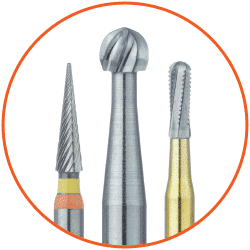
Improving Dental Precision with High-Quality Carbide Burs
Cheer P 18 Precision is a significant aspect of today’s dental practice to offer quality services…
Your Guide To Perimenopause: What To Expect & How To Feel Your Best
If you’re unsure whether a symptom is due to perimenopause or something else, the only way…
Aidoc Rakes In $150M for Its Clinical Decision Support AI
Israeli clinical AI startup Aidoc closed a $150 million funding round led by General Catalyst and…
Honey Mustard Chicken Salad
This Honey Mustard Chicken Salad puts a flavorful spin on the regular ol’ chicken salad by…
Easy Rainbow Grilled Vegetables
These easy grilled vegetables are one of my favorite summer side dishes because they’re colorful, easy…