President Donald Trump released a plan on Thursday to lower drug costs and insurance premiums, though some healthcare leaders say it remains unclear how it would achieve those goals.
The plan, titled the Great Healthcare Plan, calls for codifying the Most-Favored-Nation deals, which aim to bring American drug prices in line with similar nations.
Trump also proposed to stop “sending big insurance companies billions in extra taxpayer-funded subsidy payments” and instead send the money directly to eligible Americans through their health savings account so they can purchase their own health insurance, according to a fact sheet. The plan would fund a cost-sharing reduction program for health plans and end kickbacks from pharmacy benefit managers to brokerage middlemen as well.
In addition, health insurers would be required to publish rate and coverage comparisons on their websites in “plain English” and not jargon to make it easier for consumers to make coverage decisions. The Great Healthcare Plan would also require health insurers to publicly disclose how much of their revenue goes to claims versus overhead and profits, as well as their claims denial rates and average wait times for routine care.
“I’m calling on Congress to pass this framework into law without delay—we have to do it right now so that we can get immediate relief to the American people, the people I love,” Trump said. The plan comes as Congress is torn over the extension of the Affordable Care Act enhanced premium tax credits, which lowered premiums for those purchasing healthcare on the marketplace and expired at the end of 2025.
According to at least one healthcare executive, the plan lacks substantial details.
“Everyone wants to see drug prices and premiums come down,” said Ari Hoffman, SVP and chief clinical officer at Collective Health. “The challenge is how you get there, and the plan released by the White House has almost no details on how. Of what policy content is present in the plan, addressing PBM kickbacks, enhancing transparency, and avoiding jargon are welcome changes. But without a clear and certain plan, I don’t see this bringing down the rise in insurance premiums. Insurance pricing is too sensitive to uncertainty, and when policies change in ways the market can’t predict, that risk ends up getting baked into premiums.”
Collective Health is a health benefits platform for self-funded employers.
An executive at KFF, a nonprofit health policy organization, echoed the need for more details.
“We have been trying to analyze the Trump health ‘plan’ but I worry that unless Congress puts something real together we are analyzing air. Big Q’s such as are [pre-existing conditions] protected are impossible to answer from their Fact Sheet. What we do know: it partly captured a news cycle,” said Dr. Drew Altman, KFF’s president and CEO.
Another healthcare executive — Ahmed Elsayyad, president at Ostro — said the plan could make some improvements, but likely nothing significant. Ostro is an agentic AI company for life sciences.
“In the best case, it increases price sensitivity in the parts of healthcare that are actually shop-able and creates some premium relief via [cost-sharing reduction] mechanics,” he said. “In the typical case, the impact is likely to be uneven because much of healthcare spending is urgent, complex, and locally concentrated, which limits consumer shopping. … Net: potential marginal improvements, but unlikely to be a structural cost reset without detailed funding, enforcement, and guardrails for lower-income and high-risk patients.”
AHIP, meanwhile, appears open to the plan.
“Health plans welcome ideas to bring down the unaffordable prices drugmakers charge Americans and to empower consumers to make the best health care decisions for themselves and their families,” said Chris Bond, AHIP spokesperson.
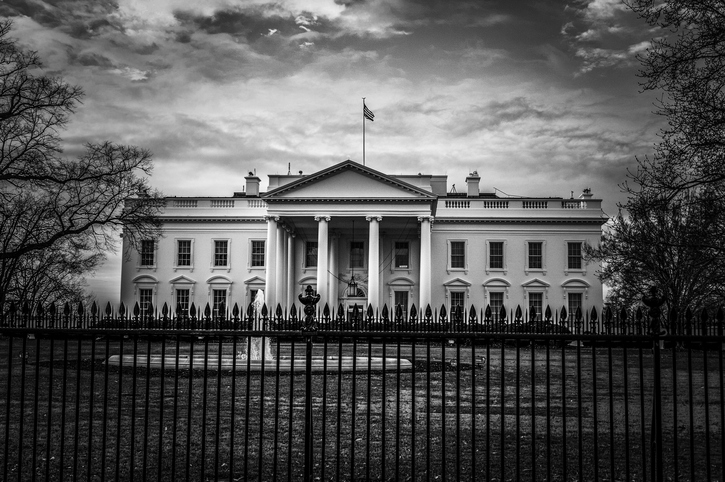
Photo: Philip Rozenski, Getty Images