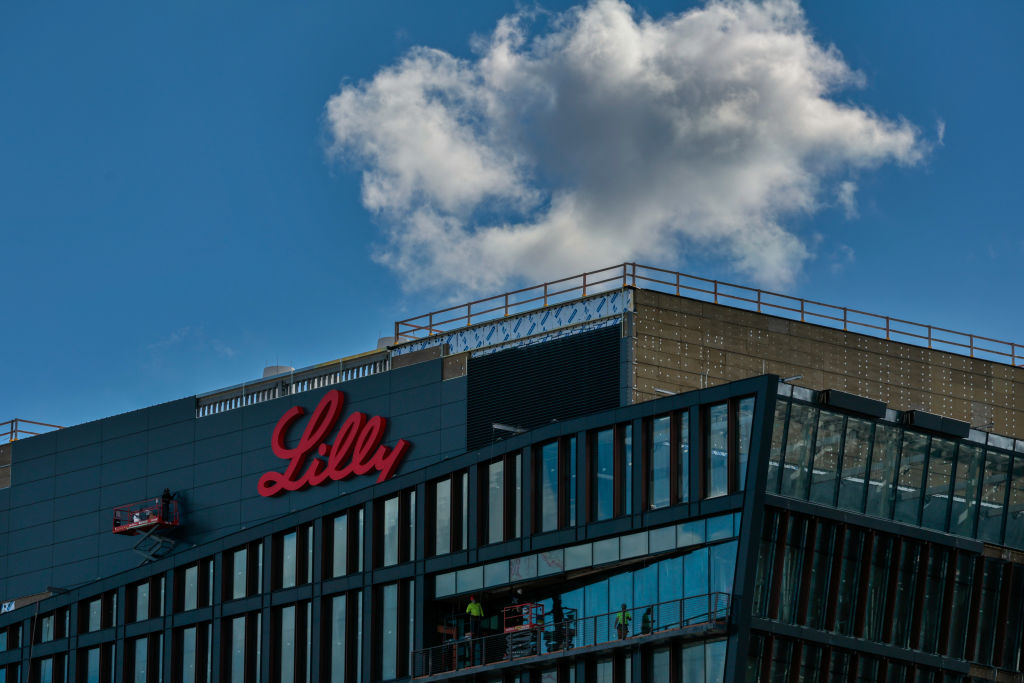
The next frontier for cell therapy is shaping up to be in vivo treatments for autoimmune disease, and Eli Lilly is getting a contender through the acquisition of startup Orna Therapeutics for up to $2.4 billion.
The companies did not provide a financial breakdown of the deal in their Monday announcement, saying only that the sum encompasses an upfront payment and milestone payments tied to clinical development. Orna’s lead program is approaching Phase 1 testing.
Cell therapy first reached patients as cancer treatments made by harvesting a patient’s immune cells and engineering them in a lab to express a receptor that goes after a target on tumors. This approach yielded CAR T cell therapies that have been transformative for the treatment of certain blood cancers. Even so, the multi-step manufacturing process for these living medicines is lengthy and expensive. It also requires an intensive preconditioning regimen to prepare a patient to receive the cell therapy. Watertown, Massachusetts-based Orna aims to avoid the manufacturing and preconditioning hassles with CAR T treatments that are made inside the patient.
The linear shape of messenger RNA that provides instructions for making a protein is unstable, so it doesn’t last long in the body. Orna’s solution is to form RNA in a circular shape that makes the molecule more stable and durable compared to linear mRNA therapies. This circular RNA is delivered by lipid nanoparticles, enabling in vivo production of therapeutic cells.
Lead Orna program ORN-252 is designed to modify immune cells to target CD19, a protein abundant on disease-driving B cells. This approach could reset the immune system. During the annual meeting of the American Society of Hematology this past December, Orna presented preclinical data showing its therapy led to depletion of disease-driving B cells or plasma cells. At the time, the company said it expected an application to begin clinical testing would be submitted by the end of the year with a goal of entering the clinic in early 2026. In Monday’s announcement, Lilly and Orna describe this program, a potential treatment for autoimmune disorders, as “clinical-trial ready.”
“Experiments to date suggest that Orna’s circular RNA platform may deliver more durable expression of therapeutic proteins and therefore unlock treatments that are not feasible with current RNA or cell therapy platforms,” the companies said in the acquisition announcement.
In a research note, Leerink Partners analyst David Risinger said the Orna acquisition complements Lilly’s growing pipeline of in vivo-based therapies, including genetic medicines from Verve Therapeutics. Verve’s three lead programs each use in vivo base editing to turn off genes that code for lipoproteins that drive atherosclerosis. Last summer, Lilly paid $1 billion to acquire Verve, a genetic medicines R&D partner since 2023. But not all of Lilly’s in vivo bets have worked out. Last year, Lilly’s Prevail Therapeutics subsidiary handed back rights to in vivo gene-editing programs that were partnered with Precision Biosciences in an alliance that began in 2020.
Lilly’s Orna acquisition continues the trend of big pharma companies turning to M&A to expand build their capabilities in in vivo medicines, particularly with an eye on developing these therapies for autoimmune disease. In early 2025, AstraZeneca paid $425 million up front to acquire EsoBiotec, which was in early clinical development. More deals followed throughout the year. AbbVie acquired Capstan Therapeutics, then Gilead Sciences bought Interius BioTherapeutics. In October, Bristol Myers Squibb reached a deal to buy Orbital Therapeutics.
Orna launched in 2021, formed by MPM Capital around research from the Massachusetts Institute of Technology. The startup’s most recent round of funding was a $221 million Series B financing in 2022. The round included participation from Merck, which also began a partnership focused on infectious diseases and cancer. A partnership with Shanghai-based Simnova is developing oncology circular RNA therapies for China. Last year, Orna began collaborating with Vertex Pharmaceuticals to develop gene-editing treatments for sickle cell disease and beta thalassemia.
Eli Lilly Inks Oncology & Immunology Drug R&D Pact With Innovent
Eli Lilly is expanding its pipeline prospects with yet another deal, paying $350 million up front in a new collaboration with Innovent Biologics. Innovent said the latest deal is the seventh collaboration between the two companies.
The new agreement is focused on oncology and immunology. Under the deal terms, Innovent will lead development of programs from concept through the completion of Phase 2 testing in China, where the biotech is based. The agreement gives Lilly an exclusive license to develop and commercialize these programs globally, excluding China, where Innovent retains rights. No indications or disease targets were disclosed.
Beyond the upfront payment, Innovent could receive up to $8.5 billion tied to development, regulatory and commercial milestones. Innovent will also be eligible royalties on net sales of each product commercialized outside of Greater China.
Photo: Craig F. Walker/The Boston Globe, via Getty Images