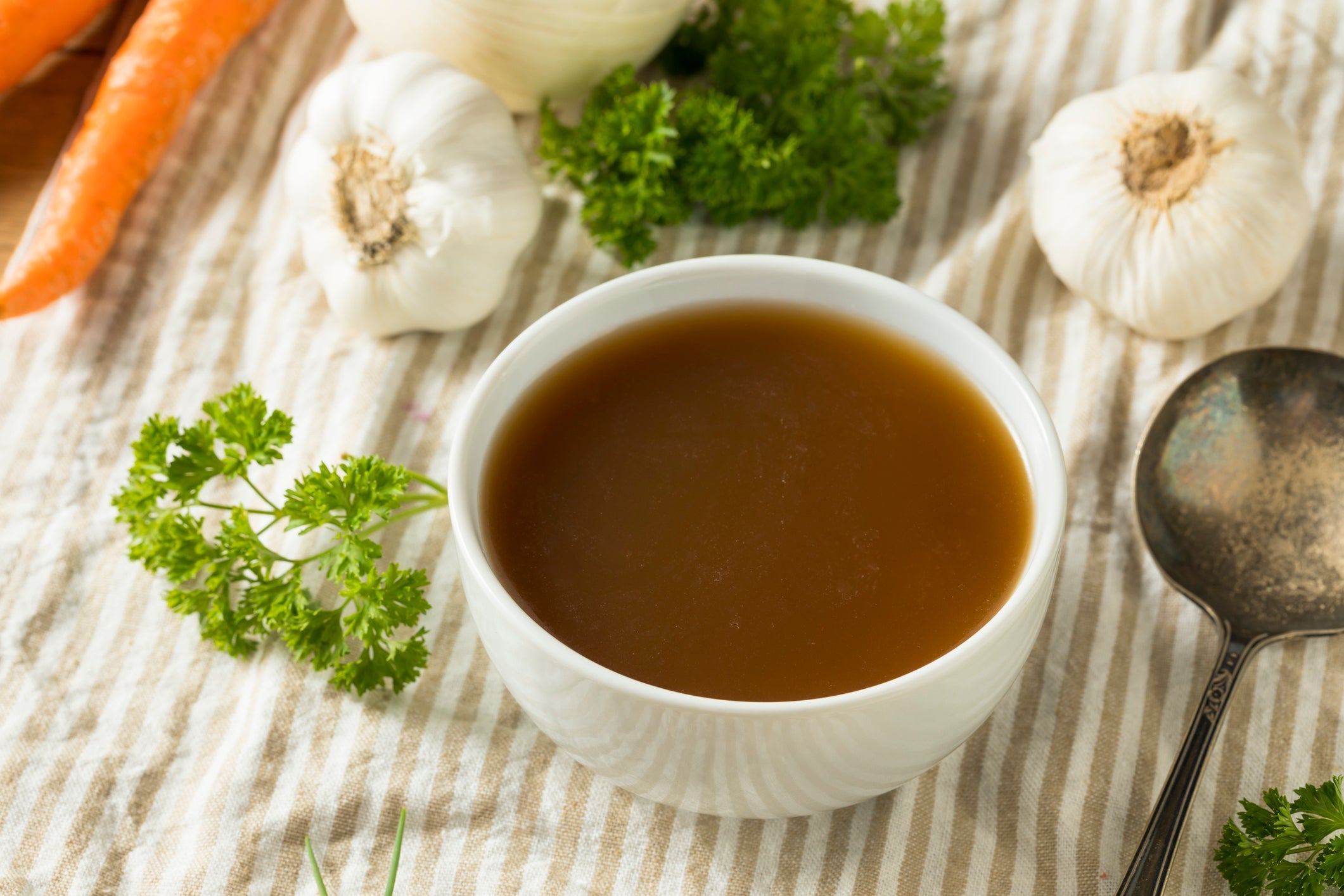
As a naturopathic physician, I do not recommend fasting lightly. True extended water fasting is demanding, and for many people it is simply not sustainable. But what I have seen work beautifully for my patients, again and again, is what I call the bone broth fast: a modified fasting protocol that supports your body while giving your digestive system the deep rest it needs.
I have built bone broth mini-fasts into my Bone Broth Diet program for years. My patients use them strategically, and the results speak for themselves: reduced bloating, improved digestion, accelerated weight loss, and that wonderful feeling of a genuine reset. Let me walk you through exactly how to do it.
What Is a Bone Broth Fast?
A bone broth fast is a period, typically one to three days, during which you consume primarily bone broth, water, and herbal teas, with solid food temporarily removed.
Unlike water fasting, a bone broth fast is nutrient-supported. Each cup of quality bone broth delivers protein, collagen, amino acids, and electrolytes. Your gut gets a profound rest from digesting solid food, but you are not depriving your body of nourishment. That distinction is what makes bone broth fasting manageable, effective, and far more sustainable than traditional fasting approaches.
Why a Bone Broth Fast Works
When your digestive system is not occupied breaking down solid food, it gets a chance to repair. The gut lining gets space to heal. The gelatin and amino acids in bone broth actively support this process while you fast. At the same time, your body shifts toward burning stored fat for fuel. The protein in bone broth helps preserve lean muscle mass during this process, which is one key reason bone broth fasting is gentler on the body than water fasting.
Many people wonder whether bone broth counts as a true fast at all. I address the full question in my post on whether you can drink bone broth while fasting: for most intermittent fasting protocols, yes, bone broth supports rather than breaks your fast.
Who Is a Good Candidate for a Bone Broth Fast?
This approach works well for people who want to give their gut a genuine reset, feel bloated or sluggish and want a structured way to break the cycle, are looking to jumpstart weight loss, or find water fasting too difficult to maintain. Please consult your physician before starting any fasting protocol if you are pregnant or nursing, taking prescription medications, have a history of disordered eating, or have any condition affecting blood sugar.
My 3-Day Bone Broth Fast: Step by Step
The Day Before: Prepare Your Body
Do not go from a full Western diet straight into a fast. The day before, eat light, clean, and simple: vegetables, lean protein, a little fruit. Cut out alcohol, caffeine (or taper it down), sugar, and processed foods. This makes the transition much smoother and reduces the detox-like headaches some people experience on day one.
Day 1: Settle In
You will drink four to six cups of warm bone broth throughout the day, spacing them every two to three hours. In between, drink plenty of water and herbal teas. Ginger, chamomile, and peppermint are wonderful choices.
What about coffee? I answer this question in my post on drinking coffee during a cleanse. During a bone broth fast, black coffee is generally acceptable, but decaf or reducing caffeine is ideal to let your nervous system rest fully.
Day 2: The Reset Kicks In
Day two is often when my patients report the most noticeable shift. Hunger typically decreases as your body adjusts to running on ketones and the steady nourishment of bone broth. Many people feel clearer and lighter than they expected. Continue with four to six cups of broth, plenty of water, and herbal teas.
Day 3: Finishing Strong
By day three, most people feel genuinely good. Energy is stable, bloating is typically gone, and appetite has calmed significantly. On the evening of day three, start thinking about how you will break the fast the following morning.
How to Break the Bone Broth Fast
Do not end a fast with a heavy meal. Your digestive system has been resting, and jumping straight back into complex foods can cause significant discomfort. On the morning after your fast, start with a small, easily digestible meal: soft-cooked eggs, steamed vegetables, or a bowl of vegetable soup. Continue drinking bone broth alongside solid food for the next day or two as you reintroduce your normal eating pattern.
After the Fast: Building on Your Reset
A bone broth fast is most powerful when it serves as a launching pad, not just a one-time event. After your fast, your palate will likely have shifted: sugary foods may taste too sweet, heavy processed foods may feel unappealing. Take advantage of that recalibration. Dr. Kellyann’s bone broth is what I recommend for the fast itself and for maintaining the daily habit that keeps your results going long after the three days are done.
How Often Can You Do a Bone Broth Fast?
In my Bone Broth Diet program, I incorporate two bone broth mini-fast days per week as an ongoing strategy. For a full three-day fast, once every four to six weeks is reasonable for most healthy adults. As always, listen to your body and work with your healthcare provider.