
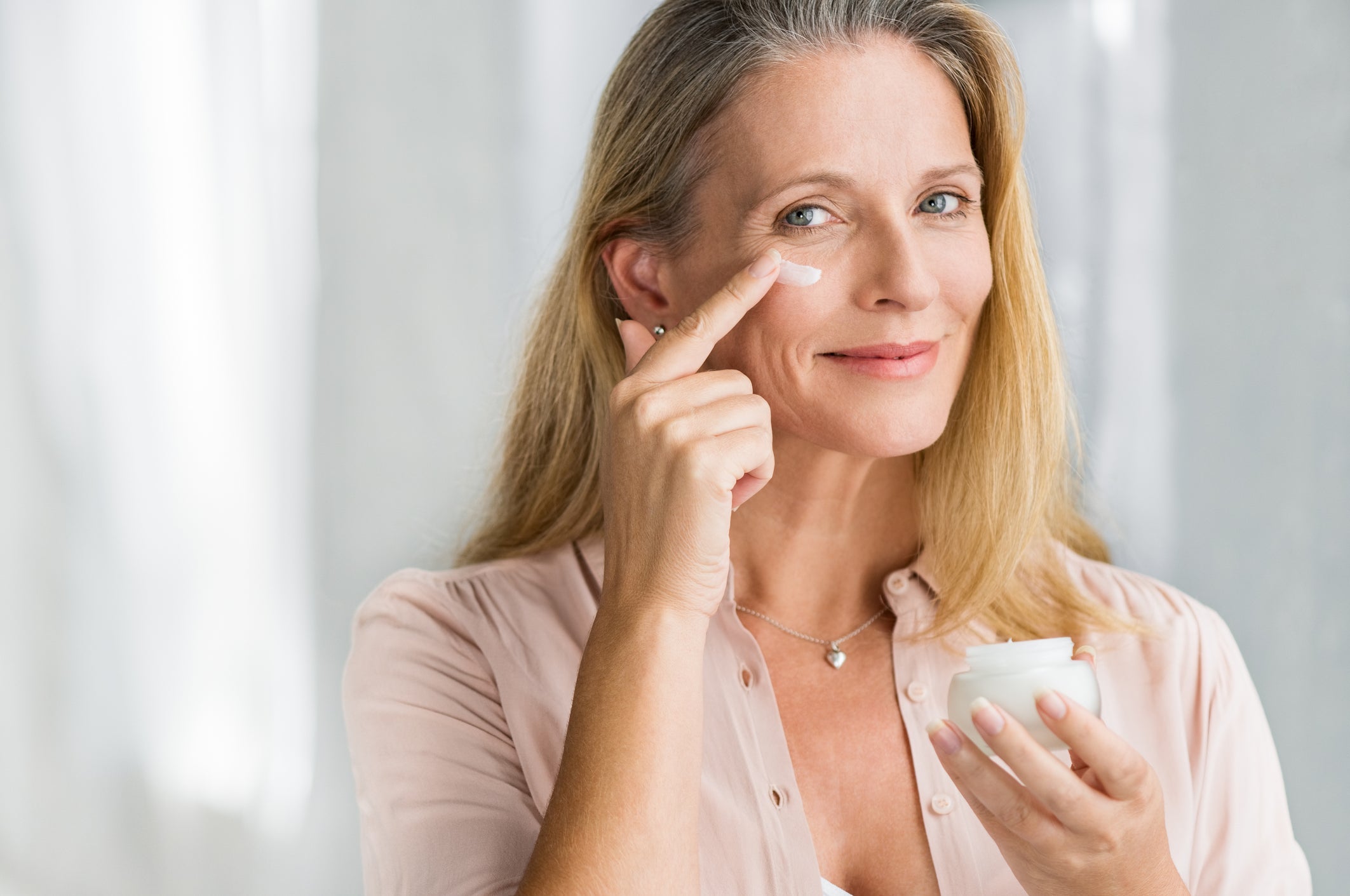
Is Beef Tallow Good for Your Face? A Doctor’s Honest Answer
I get this question constantly now, and I appreciate the skepticism behind it. Rubbing rendered beef fat on your face sounds, at first glance, somewhere between eccentric and alarming. I understand. I spent two decades telling people to drink bone broth and watching the same skeptical looks. So let me give you the honest clinical answer.
Is beef tallow good for your face? For many people — particularly those with dry, sensitive, or mature skin — yes, it genuinely is. The biology supports it, the history supports it, and when formulated correctly, as in my Whipped Tallow Cream, it forms the basis of one of the most nourishing daily facial moisturizers available. But there are people for whom it is not the right choice, and I will be direct about that too.
First, the Biology
Your face — like the rest of your skin — is covered in a thin layer of natural oil called sebum. Sebum is produced by sebaceous glands and serves multiple functions: it maintains the skin’s pH, slows moisture loss, and protects against environmental stressors. When sebum production is adequate, skin looks healthy, feels comfortable, and manages small irritations without becoming reactive.
The fatty acid profile of beef tallow — particularly grass-fed tallow — closely mirrors the fatty acid composition of human sebum. Both are dominated by oleic acid, palmitic acid, and stearic acid. This structural similarity is biologically significant: the skin is better able to integrate and utilize a fat that resembles its own rather than a synthetic emollient or a plant oil with a very different fatty acid composition.
What Tallow Delivers to the Face
Grass-fed beef tallow applied to the face provides:
-
Vitamins A, D, E, and K in fat-soluble form — delivered directly through the lipid carrier to where they are needed
-
Vitamin B12 — relevant to overall skin health, particularly for cell renewal
-
Oleic acid — deeply penetrating and softening, supports lasting moisture
-
Stearic acid — neutral impact on cholesterol and excellent skin compatibility
-
Conjugated linoleic acid (CLA) — anti-inflammatory fatty acid found in higher concentrations in grass-fed sources
Vitamin A is worth highlighting specifically. It is one of the most evidence-supported nutrients for skin health, associated with improved cell turnover and reduced appearance of fine lines with sustained use. Delivering it in a fat-based carrier is a naturally efficient way to get it into the skin.
Who Should Use Beef Tallow on Their Face
I want to be unambiguous here: tallow for the face is not a universal recommendation. It depends heavily on skin type.
People who tend to see the most benefit:
-
Dry skin — tallow addresses the sebum deficit that drives dryness in a way water-based moisturizers simply cannot
-
Sensitive skin — particularly those who react to synthetic fragrances, parabens, or conventional preservatives
-
Mature skin — sebum production declines with age; tallow helps compensate for what the skin no longer makes in abundance
-
Normal skin looking for a clean, minimal-ingredient daily moisturizer
People who should approach with caution:
-
Acne-prone skin — tallow is a rich saturated fat and can be comedogenic, meaning it may clog pores for skin types that already produce excess oil
-
Oily skin — same reason; the additional occlusive burden may tip the balance toward breakouts
-
Anyone with a beef protein allergy — patch test first and consult your healthcare provider
The Patch Test Rule
Regardless of skin type, I always recommend a patch test with any new skincare product. Apply a small amount of tallow cream to your inner wrist or behind your ear, leave it for 24 hours, and check for any reaction. If you see none, proceed to full use. If you do see a reaction, discontinue and consult a healthcare provider.
Why My Formula Is Different From Plain Tallow
A common criticism of tallow skincare is that straight rendered fat lacks the water-attracting power to be a complete moisturizer. The criticism is valid. Tallow is an occlusive — it reduces water loss and delivers lipid nutrients — but it does not draw water into the skin the way a humectant does.
This is precisely why I developed Whipped Tallow Cream as a formulation rather than simply selling grass-fed tallow in a jar. I added hyaluronic acid to address the humectant gap — attracting and binding water into the outer skin layers. I added ceramides to reinforce the barrier and keep that moisture from evaporating. And I chose a whipped texture so that the formula applies lightly and absorbs without the heavy residue that makes some people reluctant to use tallow on their face.
Addressing the ‘Greasy’ Concern
The most common hesitation I hear about tallow on the face is that it will feel greasy. This is a reasonable concern for anyone who has worked with straight tallow. The whipped formulation addresses it directly. When you use the right amount — a pea-sized drop for the entire face — and you apply it to clean, slightly damp skin, it absorbs within a minute or two and does not leave a visible sheen.
If it is sitting on top of your skin or feeling heavy, you are using too much. Reduce the amount and try again.
The Inside-Out Dimension
Healthy facial skin does not come entirely from a jar. I have always believed in approaching skin health from the inside out — and the collagen you eat matters as much as what you apply. My full breakdown of the benefits of collagen explains how dietary collagen supports skin structure at a level no topical product can match.
If you are serious about long-term skin health — not just surface hydration — combining tallow cream with a collagen-rich diet and an overall clean eating approach is the full protocol I recommend. My skin care is self-care piece goes into the broader philosophy of treating your skin as the living, dynamic organ it is — not just a surface to be cosmetically managed.
The Bottom Line
Is beef tallow good for your face? For dry, sensitive, and mature skin, yes — when it is grass-fed, properly formulated, and used correctly. The biology is sound, the history is long, and the results speak for themselves in the people who have made it part of their daily routine. The caveat is real: it is not for everyone, and acne-prone or oily skin types should proceed carefully. But for the right person, this is one of the most genuinely nourishing things you can put on your face.