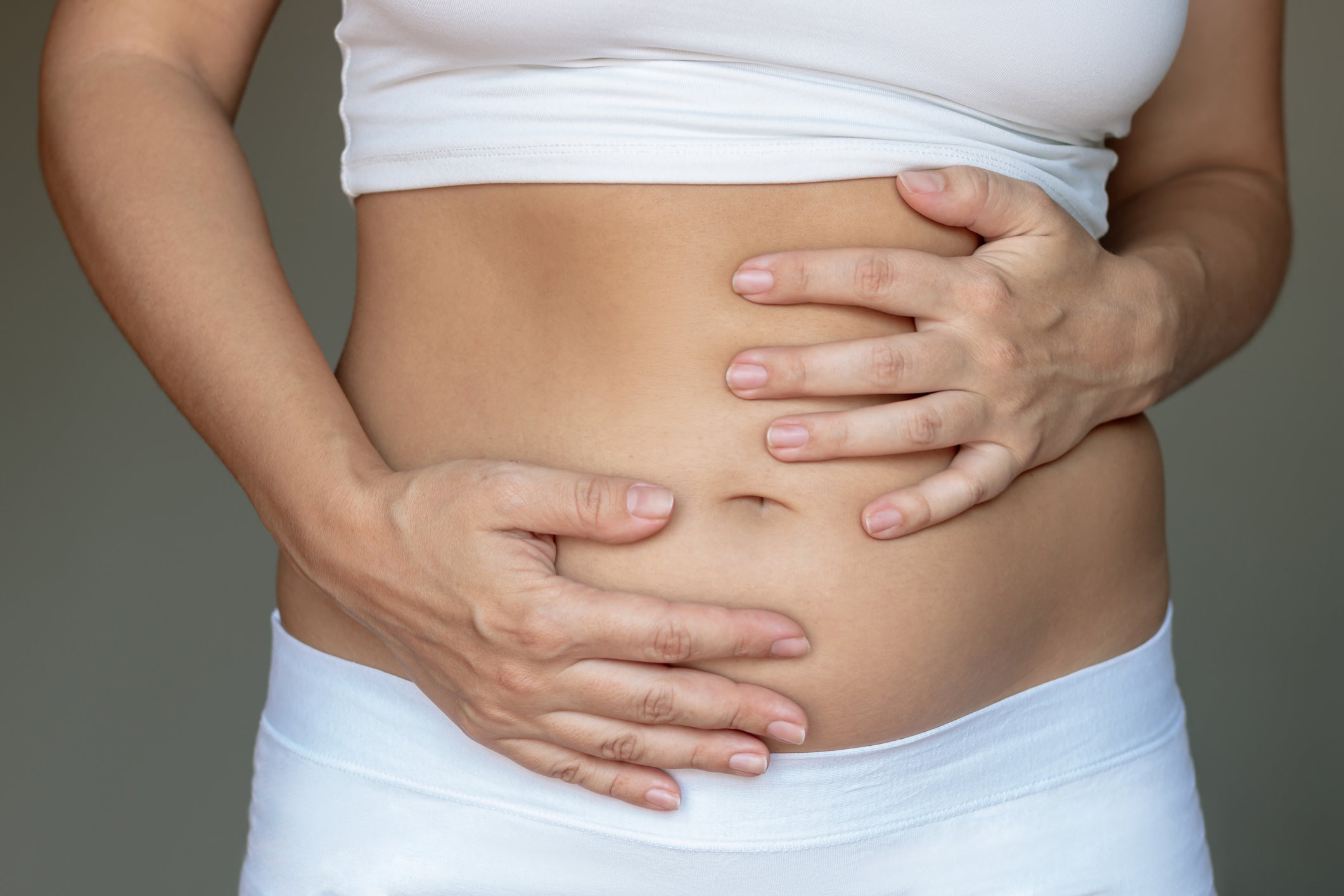
Bloating after eating is one of the most common, frustrating, and quietly disruptive everyday experiences for women. You eat a meal, sometimes a small, healthy one, and within an hour your belly looks two inches bigger and feels uncomfortably tight. You can put off plans because of it. You can feel disconnected from your own body because of it. And the most exasperating part is that often, the trigger is not obvious. Daily support, like Harmony Debloat Gummies, may make a meaningful difference, but understanding why this is happening is the first step.
Why Your Belly Bloats After You Eat
Some bloating after eating is completely normal. Your stomach physically expands when you eat, especially if you eat quickly, drink fluids with your meal, or have a larger portion. That kind of bloating typically resolves within an hour or two. The problem is when bloating is severe, persistent, painful, or happens every single time you eat. That points to something deeper.
The most common drivers of post-meal bloating are:
-
Slow digestion, which gives gut bacteria more time to ferment food and produce gas
-
Gut bacteria imbalance, where the wrong bacteria dominate and ferment more aggressively
-
Food sensitivities and trigger foods, especially dairy, gluten, added sugar, and FODMAPs
-
Eating habits like eating too quickly, eating large meals, or drinking too much liquid with meals
-
Hormonal fluctuations that affect gut motility and water retention
Let me walk you through each of these and what may help.
1. Slow Digestion
When digestion slows down, food stays in your stomach and intestines longer. That gives gut bacteria more time to ferment what you ate, which produces gas, which expands your belly. Slow digestion can be driven by stress, hormones, low stomach acid, dehydration, or simply not chewing enough.
Apple cider vinegar has been traditionally used to support digestion for exactly this reason. So has chewing thoroughly, eating slowly, and not drinking large amounts of fluids during a meal. Daily probiotic support may also help your gut process food more efficiently over time.
2. Gut Bacteria Imbalance
Your gut is home to trillions of bacteria, and the balance between beneficial and less helpful bacteria has a direct effect on how comfortable digestion feels. When the wrong bacteria dominate, they produce more gas and inflammation, which leads to bloating after meals, especially after meals that contain certain types of fiber or carbohydrates.
Daily probiotic support, especially with a clinically studied strain, may help shift the balance over time. I cover this in detail in why-you-need-prebiotics-and-probiotics-for-healthy-gut-microbiome.
3. Food Sensitivities and Trigger Foods
Some bloating after eating points clearly to a specific food sensitivity. Common culprits include dairy, gluten, added sugar, and certain types of fermentable carbohydrates known as FODMAPs. I have full posts on each of the most common triggers:
Dairy is one of the most common hidden bloating triggers, especially as we get older and lactose tolerance declines. See is-dairy-making-you-bloated-blotchy-or-stuffy for more.
Bread and gluten-containing foods are another frequent issue, particularly for women in perimenopause when digestive sensitivity often increases. See does-bread-cause-bloating.
Added sugar feeds the less helpful bacteria in your gut and contributes to inflammation. See does sugar cause bloating.
FODMAPs are fermentable short-chain carbohydrates found in foods like onions, garlic, beans, certain fruits, and wheat. They can cause significant bloating in sensitive people. See fodmaps-when-common-foods-cause-digestive-distress.
4. Eating Habits That Make Bloating Worse
How you eat matters almost as much as what you eat. Eating too quickly causes you to swallow air, which contributes to bloating. Eating large portions in one sitting overwhelms digestion. Talking while chewing, drinking carbonated beverages with meals, and chewing gum all introduce extra air into your digestive tract. Slowing down and eating mindfully is one of the most underrated bloating interventions.
5. Hormones
Hormonal fluctuations affect digestion in ways most women never connect. Estrogen and progesterone influence gut motility, water retention, and the gut microbiome itself. For women in perimenopause and menopause, post-meal bloating often gets worse, not better, even with the same diet. I cover this in depth in my dedicated post on perimenopause bloating, and the broader hormone picture in menopause, perimenopause, and hormones.
Daily Habits That May Help with Bloating After Eating
Take a Daily Probiotic with Fiber
Consistency is everything. A daily clinically studied probiotic paired with prebiotic fiber may meaningfully shift your gut over the course of weeks to months. This is why I built Harmony Debloat Gummies around 2 billion CFU of Lactospore probiotic and 3g of daily fiber.
Add Fermented Foods
Sauerkraut, kimchi, kefir, and other fermented foods feed and diversify your gut bacteria. See fermented foods for gut health.
Eat Slowly and Chew Thoroughly
Sometimes the simplest changes have the biggest impact. Aim for 20 to 30 chews per bite. Put your fork down between bites. Make meals a 20-minute event minimum.
Identify and Reduce Your Trigger Foods
Pay attention. Keep a simple food journal for two weeks. Note what you ate and how you felt 30 minutes, two hours, and the next morning. Patterns emerge quickly. For the broader eating framework that minimizes post-meal bloating from the start, see my Bone Broth Diet resource page.
Support Your Fluid Balance
Bloating is not always gas. Sometimes it is water retention. Traditional herbs like dandelion, apple cider vinegar, and green tea, all included in my Water Balance Proprietary Blend, may support healthy fluid balance day to day.
Where Harmony Debloat Gummies Fit In
Harmony Debloat Gummies were built specifically for the daily, post-meal bloating picture. Each citrus punch gummy delivers 2 billion CFU of Lactospore probiotic, my Water Balance Proprietary Blend of apple cider vinegar, green tea, guarana, and dandelion, and 3g of fiber, plus Vitamin B6, calcium, and magnesium. Take two per day with or right after a meal. The gummy format is the easiest way I know to make daily gut support an actual habit, and many customers report feeling lighter and more comfortable within the first week of consistent use.
When to Talk to Your Healthcare Provider
Most post-meal bloating responds well to daily habits and consistent gut support. That said, severe, painful, persistent, or worsening bloating, especially when accompanied by significant changes in weight, appetite, or bowel habits, deserves a conversation with your provider. Trust your body, and trust your instincts.
Bloating Is Not the New Normal
If you have come to accept post-meal bloating as just something women your age deal with, I want to challenge that gently. Consistent daily support for your gut, your fluid balance, and your habits may meaningfully improve how you feel. You do not have to settle for tight jeans by 6 PM. There is a more comfortable version of every day available to you.
Frequently Asked Questions
Why do I bloat every time I eat?
Frequent post-meal bloating usually points to one or more of the following: slow digestion, gut bacteria imbalance, food sensitivities like dairy or gluten, eating habits like eating too quickly, or hormonal fluctuations. Daily probiotic and fiber support may help shift the underlying gut picture over time. Identifying personal trigger foods is also key.
How long does bloating after eating usually last?
Normal post-meal fullness typically resolves within an hour or two as digestion progresses. Bloating that lasts much longer, happens every time you eat, or is uncomfortable enough to affect your day points to a deeper issue, usually gut bacteria balance, food sensitivities, or slow digestion. Consistent daily support and trigger identification often help.
Can Harmony Debloat Gummies help with bloating after eating?
Harmony Debloat Gummies are formulated specifically for daily post-meal support. Each serving contains 2 billion CFU of Lactospore probiotic, my Water Balance Proprietary Blend, and 3g of fiber. Taken with or right after a meal, Harmony Debloat Gummies may help support digestive comfort, gut bacteria balance, and regularity over time. Results may vary.
Should I stop eating fiber if it makes me bloat?
Not necessarily. While suddenly increasing fiber can cause temporary bloating, fiber is essential for long-term gut health and regularity. The trick is to increase fiber gradually, stay well hydrated, and pair fiber with a daily probiotic so your gut bacteria can adapt. I cover this in eat-more-fiber.