
If your knees ache after a hike, your hands feel stiffer in the morning than they used to, or your hips remind you they exist every time you stand up after sitting too long, you are dealing with one of the most common but rarely well-addressed midlife changes. Joint discomfort sneaks up gradually, often dismissed as just getting older, until it starts affecting how you move through your day. Collagen has emerged as one of the most evidence-supported supplements for joint comfort, and the research behind it is more substantive than most women realize.
I want to walk you through what collagen actually does for joints, what the research shows, and how to incorporate it into a daily routine that supports your structural comfort over the long term. Our Collagen Peptides Unflavored is one of the simplest, cleanest formats for daily joint support, and the practical guidance below applies to any quality collagen peptide product.
What Joints Are Actually Made Of
Joints are complex structures involving bones, cartilage, synovial fluid, ligaments, tendons, and the connective tissue capsule that holds the whole assembly together. Almost every component of this structure (except the bone tissue itself) is collagen-rich. Cartilage is approximately 60 percent collagen by dry weight. Tendons and ligaments are mostly collagen. The capsule and the connective tissue around the joint are predominantly collagen.
This means that joint comfort and function are fundamentally collagen-dependent. When collagen production declines (which happens naturally with age and accelerates during menopause), the structures that make up your joints become less resilient. The cartilage thins, the tendons lose elasticity, and the joint capsule provides less structural support. The discomfort you feel is a direct consequence of these structural changes.
The Research on Collagen and Joint Comfort
Collagen for joint health is one of the better-studied applications of collagen supplementation. Multiple clinical trials have shown that hydrolyzed collagen peptides taken consistently can support joint comfort during exercise, reduce activity-related joint discomfort, and improve general joint function in adults dealing with mild to moderate symptoms.
The doses used in research range from 5 to 15 grams of collagen peptides daily, taken for at least 12 to 24 weeks before evaluating effects. The longer the consistent intake, the more pronounced the benefits tend to be. This is a slow-acting intervention, not a quick fix.
How Collagen Reaches Your Joints
One of the questions women often ask is whether the collagen they eat actually reaches their joints. The answer involves understanding what happens during digestion. Collagen peptides are absorbed in the small intestine and enter the bloodstream as small peptide fragments and free amino acids. From there, they travel throughout the body, including to joints, where the amino acids are used as raw material for new collagen synthesis in cartilage, tendons, and other connective tissue.
Some research even suggests that specific collagen peptides may accumulate in joint tissue at meaningfully higher concentrations than would be predicted by chance, possibly because joints have an active demand for these specific amino acids. The takeaway is that yes, dietary collagen does support joint tissue, even though the mechanism is indirect.
Who Benefits Most From Collagen for Joints
Women in midlife dealing with the kind of joint discomfort that comes with declining estrogen and accumulated wear typically see the most benefit from collagen supplementation. Active women dealing with activity-related joint stress (runners, hikers, tennis players, women who do intensive exercise) also tend to benefit meaningfully. Women with mild to moderate osteoarthritis symptoms have shown improvements in multiple clinical trials.
Severe joint conditions or significant structural damage are unlikely to respond dramatically to collagen alone. Collagen is a supportive intervention, not a treatment for advanced joint disease. For severe joint issues, working with a healthcare provider on a comprehensive approach is essential, with collagen potentially playing a supporting role.
Pairing Collagen With Bone Broth
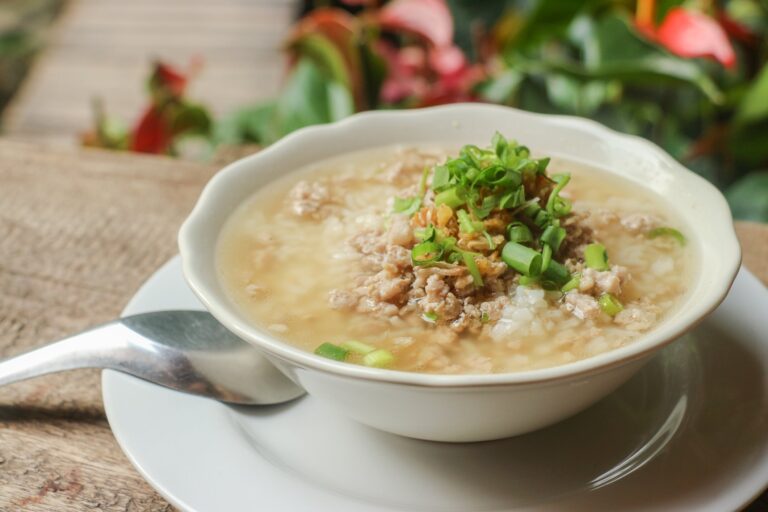
Collagen peptides and bone broth deliver overlapping but distinct nutritional benefits for joints. Collagen peptides provide a concentrated dose of the amino acids your body uses to build new connective tissue. Bone broth provides those same amino acids in a whole-food format, plus additional nutrients like glucosamine, chondroitin, and hyaluronic acid that are also relevant to joint health.
Many women find that combining the two produces the most complete joint support. Daily collagen peptides as the consistent anchor, plus several cups of bone broth per week from our bone broth collection, gives the body a broader nutritional foundation than either alone. The Bone Broth Diet framework offers structure for incorporating bone broth into daily eating. Our companion post on bone broth vs collagen covers when to choose one versus the other versus both.
Timeline for Joint Benefits
Joint improvements from collagen develop slowly. Most research shows meaningful benefits at the 12 to 24 week mark of consistent daily intake. Some women notice subtle changes earlier, particularly in morning stiffness or post-exercise discomfort, but the cumulative benefits build over months.
This timeline is the most important argument for getting your daily routine sorted out and staying consistent. The supplement that works is the one you take every single day for six months, not the one you remember half the time for two months. Anchor the daily collagen to a routine you already have (morning coffee, breakfast smoothie, evening tea) and let the months do the work.
Supporting Factors Beyond Collagen
Collagen is one piece of joint support, not the whole picture. Adequate hydration matters for synovial fluid quality. Anti-inflammatory eating (omega-3-rich fish, leafy greens, berries, turmeric) reduces the inflammation that contributes to joint discomfort. Regular gentle movement keeps joints lubricated and the surrounding muscles strong enough to support them. Maintaining a healthy weight reduces the daily load on weight-bearing joints. All of these factors compound with what collagen is doing.
Our post on menopause and collagen loss covers the broader connective tissue picture in midlife, which directly affects joint health. The interventions that support skin during this stage also support joints, because the underlying tissues share the same biological roots.
A Practical Daily Joint Routine
Here is a simple framework. Take a daily scoop of Collagen Peptides (10 grams) with your morning coffee or smoothie. Drink at least one cup of bone broth several times a week. Eat omega-3-rich foods (wild salmon, sardines, walnuts, flaxseed) at least twice a week. Stay hydrated throughout the day. Include gentle movement (walking, swimming, yoga) most days. Give the routine 12 to 24 weeks before evaluating effects, since that is when most research begins to show meaningful joint improvements. The cumulative result over six months is often noticeably better daily comfort and movement, which compounds further the longer you stay consistent.
Frequently Asked Questions
How long until Collagen Peptides helps with joint pain?
Most research shows meaningful joint benefits from Collagen Peptides at the 12 to 24 week mark of consistent daily intake. Some women notice subtle changes earlier, particularly in morning stiffness or post-exercise discomfort, but the full benefits build over months of consistent use.
What dose of Collagen Peptides is best for joint pain?
Research supports doses of 5 to 15 grams of Collagen Peptides daily for joint benefits. One scoop of Collagen Peptides delivers 10 grams, which sits comfortably within the research-supported range and works well for most women dealing with mild to moderate joint discomfort.
Can Collagen Peptides replace glucosamine for joints?
Collagen Peptides and glucosamine work through different mechanisms, with Collagen Peptides supporting the broader collagen-rich connective tissue and glucosamine specifically targeting cartilage matrix building blocks. Many women take both, since they complement rather than overlap. Some research suggests Collagen Peptides may be at least as effective as glucosamine for general joint comfort, but the two are not mutually exclusive.
Will Collagen Peptides help with arthritis?
Collagen Peptides has shown benefits in clinical trials for adults with mild to moderate osteoarthritis, particularly in improving daily joint comfort and function. Collagen Peptides is not a treatment for arthritis and does not reverse joint damage, but it may support symptom management as part of a broader approach. Always discuss arthritis management with your healthcare provider.
|
These statements have not been evaluated by the Food and Drug Administration. This product is not intended to diagnose, treat, cure, or prevent any disease. Results may vary by individual. Consult your healthcare provider before adding any new supplement to your routine. |