
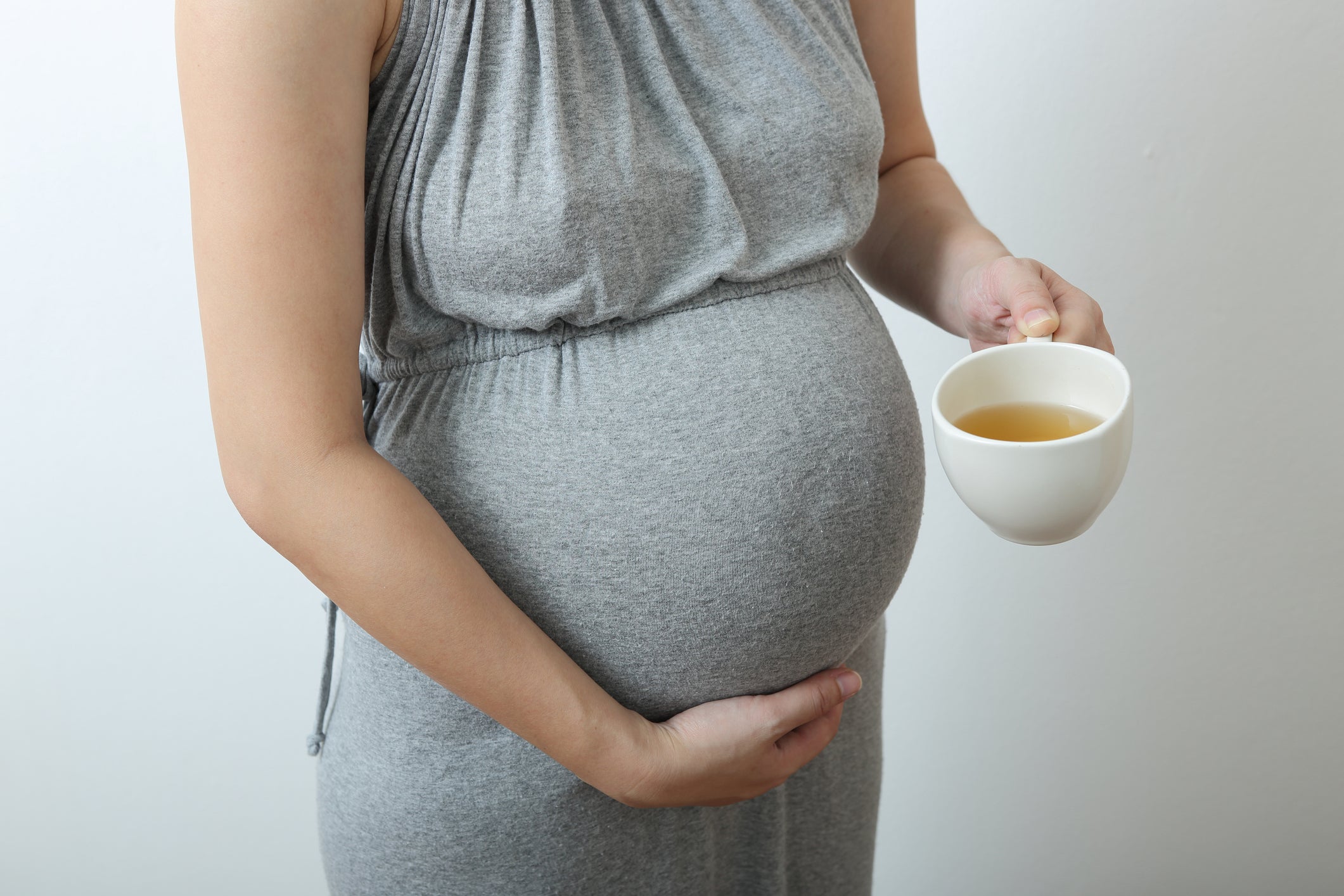
Pregnancy puts a lens of careful evaluation on every food and supplement choice, and bone broth comes up often in prenatal nutrition conversations. The good news is that bone broth is one of the more naturally pregnancy-friendly foods you can incorporate. Women in cultures around the world have consumed bone broth throughout pregnancy for generations, and modern research increasingly supports the value of the amino acids and minerals it provides during this high-demand time. As with any nutritional choice during pregnancy, the practical details matter.
I want to walk you through the specific benefits of bone broth during pregnancy, the considerations worth being aware of, and how to incorporate it safely across all three trimesters. Our Bone Broth Classic Chicken is the most pregnancy-friendly variety because of its lighter flavor and easier digestibility. As always, this is general information rather than personal medical advice, and you should discuss any nutritional choices with your OB or midwife.
Is Bone Broth Safe in Pregnancy?
Yes, properly prepared bone broth is generally considered safe during pregnancy, and many prenatal nutrition specialists actively recommend it. The amino acids, minerals, and gelatin it provides are all natural components of a nutritious diet, and there are no compounds in bone broth that present specific pregnancy risks at typical consumption levels.
The standard pregnancy food safety considerations still apply: avoid bone broth that has been improperly stored or refrigerated past safe periods, ensure the source is from a reputable supplier with appropriate quality control, and prefer fresh or properly frozen broth over older products. A quality commercial bone broth meets these standards consistently, which is part of what makes it appropriate for prenatal use.
Why Pregnancy Specifically Benefits From Bone Broth
Pregnancy creates dramatically increased demand for several specific nutrients that bone broth provides in concentrated form. Glycine is conditionally essential during pregnancy, meaning the body’s demand often exceeds what it can produce on its own, particularly during the third trimester. Bone broth is one of the richest dietary sources of glycine, making it especially valuable in this window.
The amino acids and minerals in bone broth support the growing fetus directly (collagen for skin, bones, and connective tissue), maternal tissue expansion (the uterus, skin, breasts), and the increased blood volume that pregnancy requires. Our companion post on paleo and pregnancy covers a broader nutritional approach for this stage.
First Trimester Considerations
The first trimester brings nausea for many women, and bone broth can be either a wonderful tool or an unappealing prospect depending on individual response. Some women find that the gentle warmth and savory flavor of bone broth actually settles morning nausea better than other foods. Others find that any strong-smelling food during this window is intolerable.
If bone broth works during the first trimester, even a small amount (a few ounces) provides meaningful nutritional support. If the smell or flavor is challenging, Collagen Peptides Unflavored mixed into a cold liquid like apple juice is an alternative that delivers similar amino acid benefits in a more nausea-friendly format.
Second and Third Trimester Benefits
By the second trimester, most women find bone broth more appealing again, and this is when the benefits often become most apparent. The growing demand on connective tissue, the increasing blood volume, and the development of the placenta all draw on the amino acids bone broth provides.
The third trimester is when glycine demand peaks. Continuing daily or near-daily bone broth in this window aligns with the body’s elevated needs. Many women in their final months of pregnancy find that a daily cup of warm bone broth becomes one of the most reliable comfort and nutrition rituals of the experience.
Quality Considerations During Pregnancy
The quality of the bone broth matters more during pregnancy than at any other life stage. Look for grass-fed or pasture-raised sourced products, third-party testing for absence of heavy metals (since trace contaminants can accumulate from low-quality bone sources), and clean ingredient profiles without unnecessary additives or seasonings.
Our bone broth collection is built around these quality standards specifically because the kind of women who care about quality during pregnancy continue to care about it after. The same standards that make bone broth pregnancy-appropriate also make it appropriate for daily use across the rest of life.
Servings and Timing
There is no specific pregnancy serving size limit for bone broth, but a typical practical range is one to three cups per day across the day. One cup provides meaningful baseline support. Two to three cups can be useful during the third trimester when demands are peak. Going above this is not harmful but is rarely necessary.
Timing is flexible. Some women drink bone broth in the morning to support the day’s energy. Others prefer evening for the gentle satiety and overnight tissue support. Both work. Some women space it across the day with one cup at morning and one at evening.
What About Sodium?
Sodium concerns during pregnancy come up occasionally with bone broth because some women have heard they should limit sodium when pregnant. The truth is more nuanced. Most pregnant women without specific medical conditions (such as preeclampsia or gestational hypertension) do not need to actively restrict sodium, and adequate sodium is actually important for the increased blood volume of pregnancy.
Quality bone broth has moderate sodium content. If you have a specific medical reason to limit sodium, discuss with your provider whether bone broth fits within your daily allowance. For most pregnant women, the sodium in a daily cup or two of bone broth is appropriate and supportive rather than concerning.
Pairing With Other Pregnancy Nutrition
Bone broth fits naturally into a comprehensive prenatal nutrition strategy. Pairing it with a quality prenatal vitamin (for folate, iron, and other essential prenatal nutrients), adequate protein at meals, omega-3-rich foods (wild salmon, sardines, walnuts), and a varied diet that includes plenty of fresh produce produces the cumulative effect that good pregnancy nutrition is built on.
Our Bone Broth Diet framework provides structure for incorporating bone broth into broader eating patterns, though the restrictive aspects of any structured diet should be discussed with your healthcare provider during pregnancy. Bone broth as a daily nutritional anchor without the strict diet structure works well for most pregnant women.
Postpartum Continuation
The bone broth routine that supports pregnancy continues to be valuable in the postpartum window. The body is recovering from significant structural changes, breastfeeding (if applicable) adds its own nutrient demands, and the amino acids in bone broth support the rebuilding processes that recovery requires. Many women find that the morning bone broth ritual becomes even more anchoring in the postpartum period than during pregnancy.
Our companion post on bone broth for skin covers some of the visible recovery benefits, and our bone broth vs collagen post covers the broader comparison for the postpartum window when you may be deciding which format best fits your recovery routine.
Building a Pregnancy Bone Broth Routine
Here is a simple framework. Discuss Bone Broth Classic Chicken with your OB or midwife at your next visit (most providers will be supportive). Start with one cup per day in whatever trimester you are in, in whatever format your stomach tolerates (warm in colder weather, cooler if needed during summer or early-pregnancy nausea). Increase to two cups per day in the third trimester if you find it helpful. Combine with the rest of your prenatal nutrition strategy. Continue the routine through postpartum recovery. The cumulative effect over the pregnancy and postpartum window is meaningful nutritional support for the most demanding nine to fifteen months of a woman’s adult life.
Frequently Asked Questions
Is Bone Broth Classic Chicken safe during the first trimester?
Bone Broth Classic Chicken is generally considered safe throughout pregnancy, including the first trimester. Some women find the warm savory profile actually helps with morning nausea, while others find any strong food smells difficult during this window. Adjust based on what your body tolerates and discuss with your healthcare provider.
How much Bone Broth Classic Chicken should I drink during pregnancy?
One to three cups of Bone Broth Classic Chicken per day is a typical practical range during pregnancy, with one cup as a baseline and two to three cups appropriate during the third trimester when amino acid demands peak. There is no specific limit, but going above three cups daily is rarely necessary.
Can Bone Broth Classic Chicken replace prenatal vitamins?
No, Bone Broth Classic Chicken complements but does not replace prenatal vitamins. Prenatals provide essential nutrients like folate, iron, and DHA that are critical for fetal development and cannot be supplied through bone broth alone. Continue your prenatal vitamin as recommended by your healthcare provider, with bone broth as an additional nutritional support.
Is Bone Broth Classic Chicken or Collagen Peptides better during pregnancy?
Both provide valuable amino acid support during pregnancy. Bone Broth Classic Chicken delivers a wider nutritional profile including minerals and gelatin, while Collagen Peptides is easier to incorporate when nausea or food aversions make warm broth challenging. Many women use both: bone broth as a warming daily ritual when tolerated, plus Collagen Peptides for additional protein support in any beverage.
|
Compliance Note These statements have not been evaluated by the Food and Drug Administration. This product is not intended to diagnose, treat, cure, or prevent any disease. Results may vary by individual. Consult your healthcare provider before adding any new supplement to your routine. |