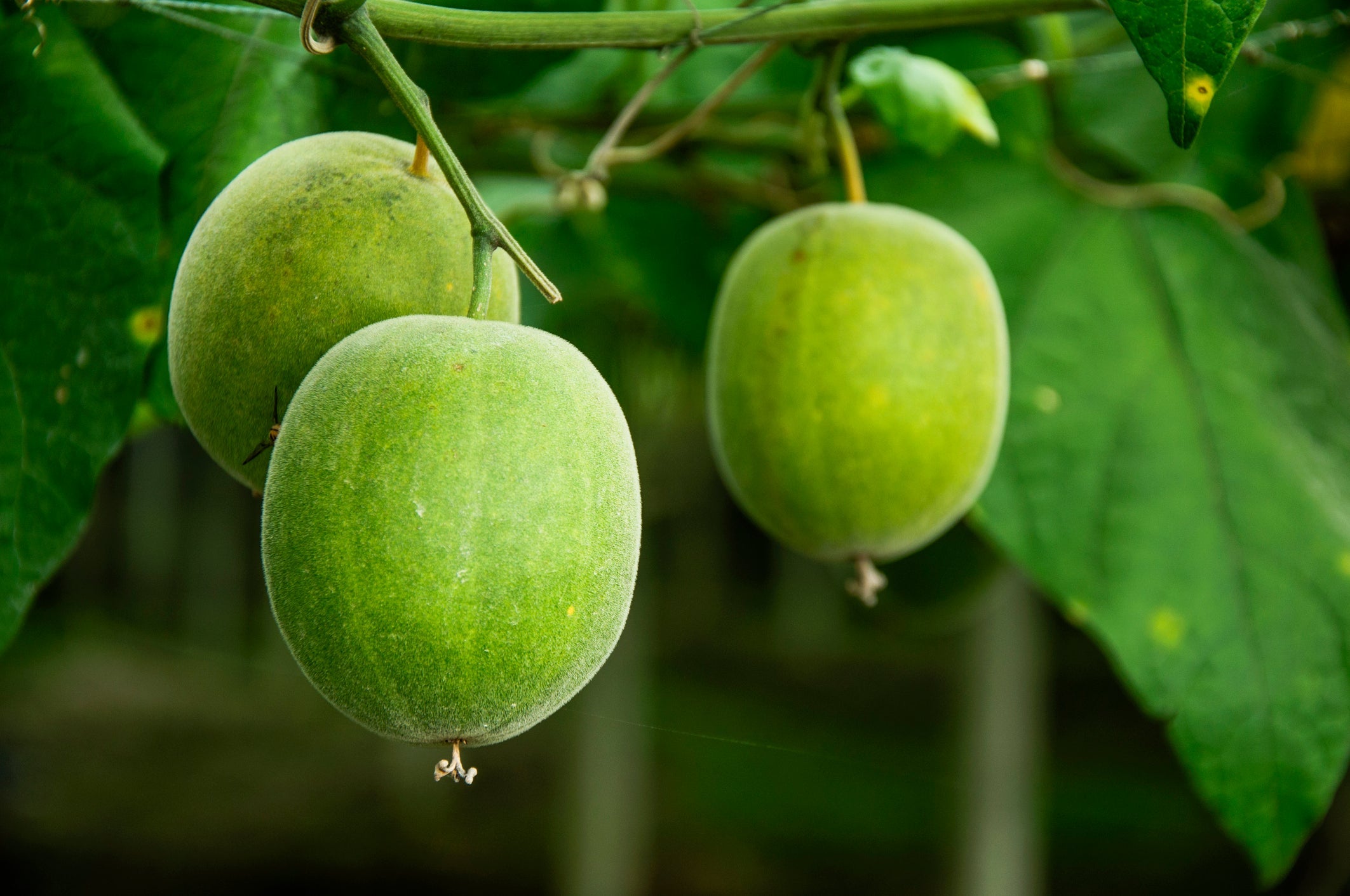
Monk fruit (also called luo han guo) is a small round fruit native to Southeast Asia, and its extract is one of the more useful natural zero-calorie sweeteners available today. The sweet compounds in monk fruit are called mogrosides, which are 100 to 250 times sweeter than sugar but contribute zero calories and zero net carbs. Unlike artificial sweeteners, monk fruit extract has a long history of traditional use in Chinese medicine, and unlike sugar alcohols, it does not typically cause the digestive distress that sorbitol, xylitol, and erythritol can produce in sensitive people.
For anyone following my Bone Broth Diet framework or a general low-carb approach, monk fruit is one of the sweeteners I consider compatible in modest use. It does not raise blood sugar, does not spike insulin, and does not appear to disrupt the gut microbiome the way some artificial sweeteners can. Let me walk you through what monk fruit actually is, how it compares to other sweeteners, and how to use it well.
Where Monk Fruit Comes From
Monk fruit grows on a vine in the mountains of southern China and northern Thailand. The fruit itself is small, round, and green when fresh, turning brown when dried. Buddhist monks have cultivated and used the fruit for centuries, which is where the English name originated. The fruit is difficult to transport fresh, so nearly all monk fruit reaches Western markets in the form of a dried extract concentrated for its sweet compounds.
How Monk Fruit Sweetens Without Calories
The sweet taste of monk fruit comes from mogrosides, a family of compounds unique to the fruit. Mogroside V is the most abundant sweetening compound. Because the human digestive tract does not metabolize mogrosides for energy, they pass through without contributing calories or raising blood glucose. The Cleveland Clinic has covered monk fruit’s role as a non-caloric natural sweetener in the broader context of sugar alternatives.
Monk Fruit vs Other Natural Sweeteners
Monk Fruit vs Stevia
Stevia is another zero-calorie natural sweetener derived from the stevia rebaudiana plant. Both are keto-compatible and have similar functional profiles. The main differences are taste and individual sensitivity. Stevia can have a slight licorice or bitter aftertaste that some people find noticeable. Monk fruit tends to have a cleaner, more sugar-like sweetness with less aftertaste. Individual palates vary, and some people prefer one over the other.
Monk Fruit vs Erythritol
Erythritol is a sugar alcohol that is roughly 70 percent as sweet as sugar with a cooling mouthfeel. It contains negligible calories and does not raise blood sugar. Erythritol is often combined with monk fruit in commercial sweetener blends because the erythritol provides bulk and the monk fruit provides intense sweetness. Erythritol can cause digestive discomfort in some people at higher doses, though it is generally better tolerated than other sugar alcohols like xylitol or sorbitol.
Monk Fruit vs Allulose
Allulose is a rare sugar that behaves similarly to regular sugar in cooking and baking but is largely not metabolized by the body. Allulose has more calories per gram than monk fruit but functions more like sugar in browning, texture, and mouthfeel. Both are considered low-carb friendly.
Monk Fruit and the Bone Broth Diet
My Bone Broth Diet framework permits monk fruit as one of the compatible sweeteners during the 21-day program and beyond. This is because monk fruit does not raise blood sugar, does not spike insulin, and does not undermine the metabolic reset the program produces. Modest use in coffee, tea, or occasional baking fits cleanly into the framework.
For daily practice, keep in mind that intensely sweet flavors (even when zero-calorie) can keep the palate calibrated to sweetness in ways that make whole foods less satisfying. Using monk fruit in moderation rather than in every drink and dessert helps preserve the palate reset that low-carb eating supports over time.
How to Use Monk Fruit
Monk fruit extract is intensely sweet, so a small amount goes a long way. Pure monk fruit extract powder typically requires 1/8 to 1/4 teaspoon to replace 1 teaspoon of sugar. Most commercial monk fruit sweeteners are blended with erythritol to provide a 1-to-1 replacement for sugar in cooking and baking, which makes them more practical for recipes.
Monk fruit works well in coffee, tea, warm drinks, and baking. It does not brown or caramelize the way sugar does, so it is not ideal for recipes that depend on caramelization for structure or flavor. Combining monk fruit with a small amount of allulose can produce more sugar-like behavior in baked goods.
Pairing Monk Fruit With Warm Bone Broth
A common practice among women in my community is starting the day with a cup of warm Bone Broth Classic Chicken followed by coffee sweetened with monk fruit. This morning rhythm provides protein, collagen amino acids, and satiety alongside the daily coffee ritual, without the blood sugar impact of sugared coffee. The full Bone Broth collection makes daily practice practical alongside monk fruit-sweetened drinks.
Is Monk Fruit Safe?
Monk fruit extract has a long traditional use and is generally recognized as safe (GRAS) by the FDA. Research indexed in NIH’s PubMed database has explored monk fruit’s safety profile with generally favorable findings. The Harvard T.H. Chan School of Public Health Nutrition Source has covered non-nutritive sweeteners in the broader context of sugar alternatives, noting that natural options like monk fruit and stevia are generally considered better daily choices than artificial sweeteners.
As with any concentrated sweetener, moderate use is more sustainable long-term than heavy daily use. Results may vary based on individual tolerance and broader dietary patterns.
The Practical Approach
Monk fruit is one of the more useful zero-calorie natural sweeteners available for daily use in coffee, tea, and occasional baking. It fits into keto, the Bone Broth Diet framework, and any structured low-carb approach without disrupting blood sugar or ketosis. Combined with daily bone broth practice and whole-food eating, monk fruit can help satisfy sweet preferences without the metabolic cost of sugar. For a structured framework that integrates sweetener choices with broader nutritional support, my Bone Broth Diet 21-day program provides the practical structure.
Frequently Asked Questions
What is monk fruit and how does it work?
Monk fruit is a small round fruit native to Southeast Asia whose extract is used as a zero-calorie natural sweetener. The sweet taste comes from compounds called mogrosides that are 100 to 250 times sweeter than sugar. Because the human digestive tract does not metabolize mogrosides for energy, monk fruit contributes zero calories, zero net carbs, and does not raise blood glucose or insulin.
Is monk fruit better than stevia?
Monk fruit and stevia are both zero-calorie natural sweeteners with similar functional profiles for keto and low-carb use. The main differences are taste (stevia can have a slight licorice or bitter aftertaste; monk fruit tends to be cleaner) and individual sensitivity. Neither is universally better. Try both and use whichever your palate prefers.
Is monk fruit keto-friendly?
Yes, monk fruit is fully keto-friendly. It contains zero calories and zero net carbs, does not raise blood glucose, and does not spike insulin. Pure monk fruit extract works cleanly in coffee, tea, and low-carb baking. Commercial monk fruit sweeteners often blend the extract with erythritol for a sugar-like 1-to-1 replacement in recipes, and these blends remain keto-compatible.
Are there any side effects of monk fruit?
Monk fruit extract is generally well tolerated and has a long history of traditional use. Some commercial monk fruit sweetener blends contain erythritol, which can cause digestive discomfort in some people at higher doses. Pure monk fruit extract without added sugar alcohols is typically the most gentle option for sensitive digestive systems. Moderate daily use is more sustainable than heavy consumption. Talk to your healthcare provider about specific concerns.