
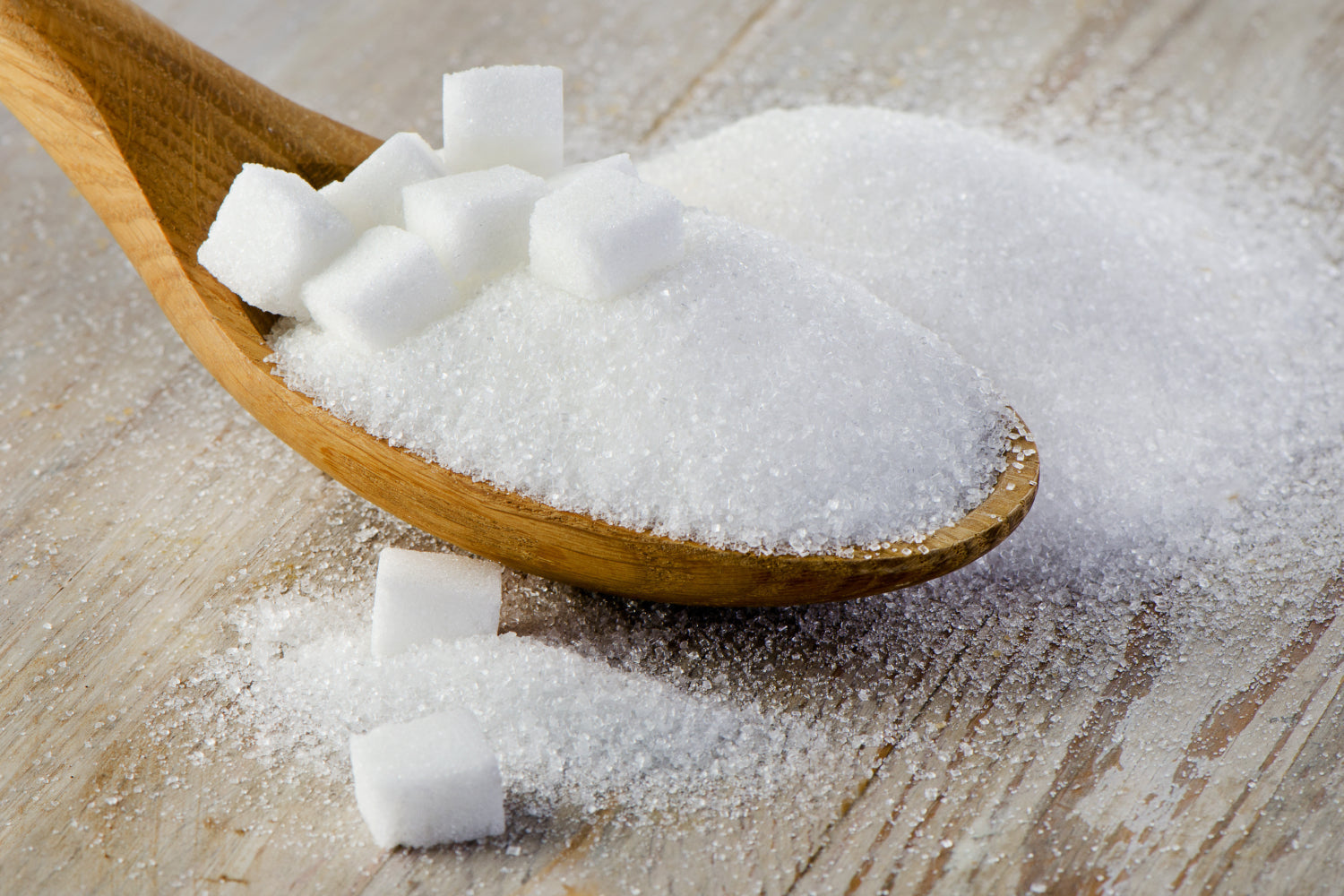
Strict keto allows essentially no added sugar, and the natural sugars that fit within the 20 to 30 gram daily net carb budget come exclusively from small portions of berries, occasional low-sugar vegetables, and the trace natural sugars in dairy or nut products. In practical terms, this means eliminating all sweetened beverages, all commercial baked goods, all candy, most fruit, and any product with added sugar in the ingredient list. For anyone transitioning from a standard American diet (which typically contains 100 to 150 grams of added sugar per day), the shift is dramatic and the metabolic benefits typically show up within days to weeks.
For moderate low-carb approaches like my Bone Broth Diet framework, the sugar allowance is somewhat more forgiving but still requires elimination of added sugars and refined sweeteners. Natural sugars from berries, moderate portions of fruit, and occasional whole-food sweetened foods fit within the 50 to 100 gram daily net carb budget. Let me walk you through the practical guidance for managing sugar on any low-carb approach.
The Daily Sugar Limits
Strict Keto
For strict ketogenic eating (20 to 30 grams net carbs daily), added sugar of any kind is essentially eliminated. This is not because sugar is uniquely toxic but because the 20 to 30 gram daily allowance is so small that even a teaspoon of sugar (4 grams) represents a meaningful portion of the day’s budget, and typical serving sizes of sugared foods completely exhaust or exceed the daily allowance.
Natural sugars fit within the daily budget only in modest portions. Half a cup of berries (roughly 4 to 8 grams net carbs depending on the variety), a tablespoon of nut butter (2 to 3 grams), or a cup of leafy greens (1 to 2 grams) all fit. A medium apple (25 grams net carbs) or a banana (24 grams net carbs) essentially uses the full daily budget in a single food.
Moderate Low-Carb and the Bone Broth Diet
For moderate low-carb approaches (50 to 100 grams net carbs daily), the sugar allowance is more flexible. A cup of berries per day fits comfortably. A modest portion of moderate-sugar fruit (an apple, a peach) fits if the rest of the day’s carbs are focused on non-starchy vegetables and lower-carb sources. Added sugars still get eliminated for the metabolic benefits.
My Bone Broth Diet framework specifically eliminates all added sugars during the initial 21-day phase because the metabolic reset depends on removing the drivers of insulin resistance and inflammation. Refined sugars are among the strongest of those drivers.
The Hidden Sugars Worth Watching
Even for women following low-carb approaches, hidden sugars sneak into daily eating in ways that undermine metabolic goals. Common sources include commercial salad dressings (often contain 3 to 8 grams of sugar per serving), tomato sauce and ketchup (sugared varieties can contain 4 to 8 grams per serving), sweetened yogurt (often 15 to 25 grams per serving), commercial nut butters with added sugar or honey, protein bars marketed as healthy, granola and cereal (nearly always sugared), commercial bone broth or stock (some brands add sugar), and coffee drinks and specialty teas from coffee shops.
Reading ingredient labels matters. Look for words ending in -ose (fructose, sucrose, dextrose, maltose), syrup (high-fructose corn syrup, brown rice syrup, cane syrup, agave syrup, maple syrup), or juice (fruit juice concentrate, apple juice concentrate). All of these are added sugar.
Natural vs Added Sugar
Natural sugars in whole foods (fruit, vegetables, unsweetened dairy) come packaged with fiber, water, vitamins, minerals, and other compounds that meaningfully change how the body processes them. Added sugars in processed foods lack this whole-food matrix and produce more rapid blood sugar spikes. Research indexed in NIH’s PubMed database has explored the metabolic differences between naturally occurring and added sugars.
That said, for anyone tracking net carbs on keto or low-carb, sugar is sugar in terms of the carbohydrate count. A cup of blueberries (17 grams net carbs, mostly from natural sugar) still uses a meaningful portion of a strict keto daily allowance regardless of whether the sugar is naturally occurring or added.
Keto-Friendly Sweeteners for Sugar Substitution
For anyone wanting some sweetness without the carbohydrate impact, several sweeteners work cleanly on keto. Monk fruit extract (my post on what is monk fruit covers this in depth) provides intense sweetness without calories or carbs. Stevia works similarly with a slightly different taste profile. Erythritol provides sugar-like bulk and mouthfeel with essentially no net carbs. Allulose behaves closest to sugar in baking applications.
Skip artificial sweeteners (aspartame, sucralose, saccharin) even though they contain no carbs, since research has raised concerns about effects on gut microbiome and insulin response. The Harvard T.H. Chan School of Public Health Nutrition Source has covered these concerns in more depth.
The Sugar-Free Daily Rhythm
A practical daily rhythm without added sugar looks like this: morning coffee black or with unsweetened almond milk and a drop of monk fruit or stevia if desired. Breakfast focused on eggs, quality protein, and healthy fats. A cup of warm Bone Broth Classic Chicken as a morning or afternoon warm drink. Meals built around quality protein, non-starchy vegetables, and healthy fats. Snacks of nuts, cheese, cucumber slices, or bone broth. Occasional half-cup of berries as the sweetest daily food.
This rhythm delivers 20 to 40 grams of net carbs from whole foods, well within a strict keto daily allowance, and eliminates the blood sugar spikes that drive cravings, energy crashes, and long-term metabolic issues.
For a Structured Sugar Reset
For anyone struggling with sugar cravings or coming from a heavily sugared standard diet, a structured framework provides more support than trying to eliminate sugar through willpower alone. My 5-Day Cleanse and Reset Kit provides a short structured reset that breaks the sugar habit cycle in 5 days. My Bone Broth Diet 21-day framework provides a longer more comprehensive approach that fully eliminates sugar drivers and rebuilds the metabolic patterns that make sustained low-sugar eating feel easier over time.
The Practical Answer
Strict keto allows essentially no added sugar and only modest portions of natural sugars from berries and select foods within the 20 to 30 gram daily net carb allowance. Moderate low-carb approaches allow more natural sugar in whole foods while eliminating added sugars for metabolic benefit. Daily bone broth practice supports the transition and long-term maintenance by providing warm satiety and gut lining renewal that reduces sugar cravings over time.
Frequently Asked Questions
How much sugar can you eat on keto?
Strict keto allows essentially no added sugar. The 20 to 30 gram daily net carb allowance is filled by natural sugars in modest portions of berries and low-sugar vegetables. A tablespoon of sugar (12 grams) would use nearly half a day’s carb budget alone, making added sugar impractical on strict keto. Moderate low-carb approaches (50 to 100 grams net carbs daily) allow more flexibility with natural sugars but still eliminate added sugars for metabolic benefit.
What natural sugars are allowed on keto?
Natural sugars from berries fit within keto in modest portions: half a cup of raspberries (3 to 4 grams net), half a cup of blackberries (3 grams net), half a cup of strawberries (4 grams net). Trace natural sugars in unsweetened dairy, nut butters, and non-starchy vegetables also fit. Higher-sugar fruits (apples, bananas, grapes, mangoes) exceed daily allowances even in small portions on strict keto.
Can I have honey on keto?
No, honey is not keto-friendly. A tablespoon of honey contains 17 grams of carbohydrate (essentially all natural sugar), which nearly exhausts a strict keto daily net carb allowance. Maple syrup and agave are similar. For sweetening on keto, use monk fruit extract, stevia, erythritol, or allulose, all of which provide sweetness without significant carbohydrate impact.
How do I stop sugar cravings on keto?
Sugar cravings typically diminish meaningfully within 1 to 2 weeks of consistent low-carb eating as insulin sensitivity improves and gut microbiome patterns shift. Practices that support faster reduction of cravings: adequate protein and healthy fat at every meal, daily bone broth for warm satiety and mineral support, adequate sleep, stress management, and avoiding artificial sweeteners that can keep sugar taste preferences activated. A structured framework like the 5-Day Cleanse and Reset or the 21-day Bone Broth Diet accelerates the reset.