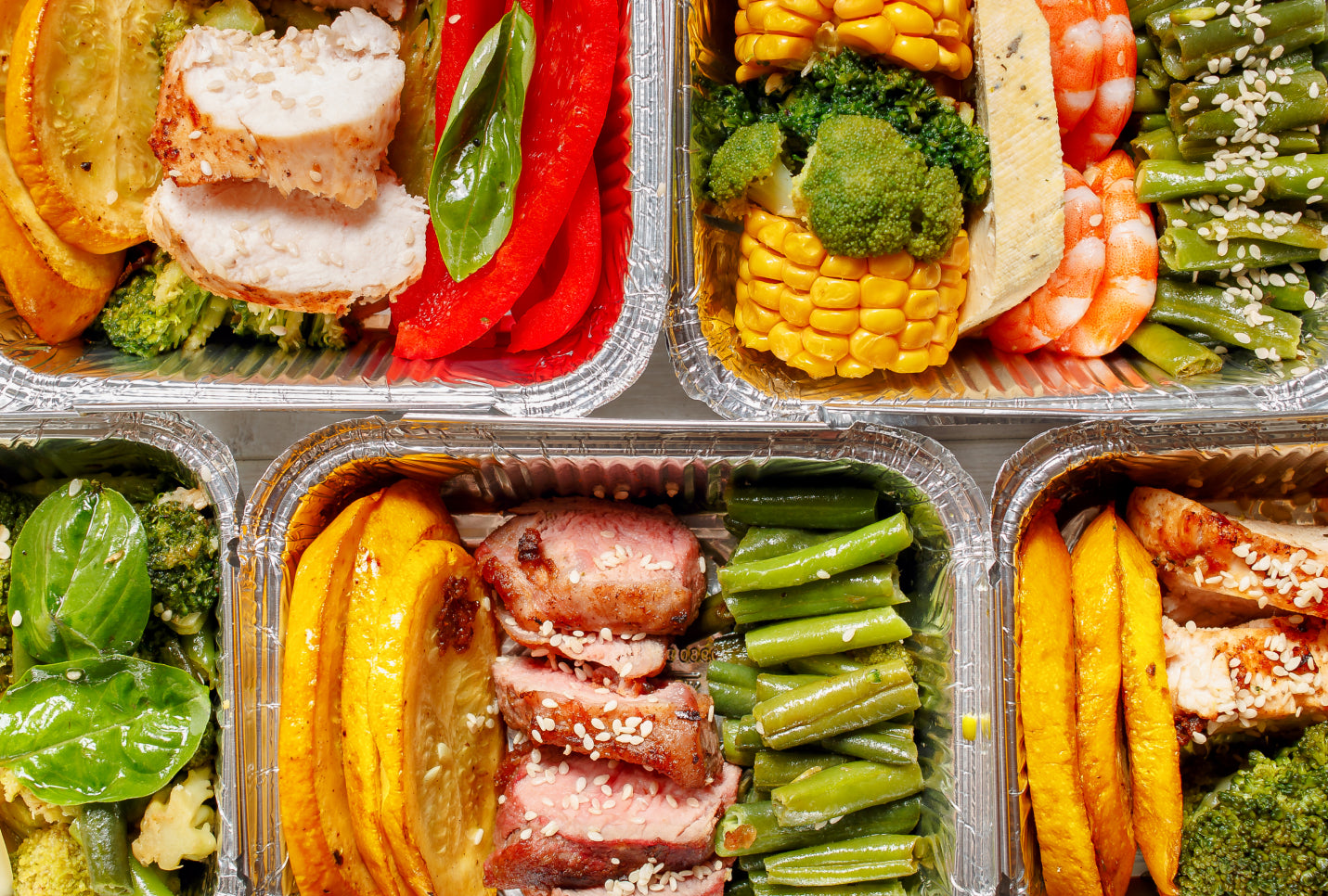
A 2000 calorie meal plan built on whole foods is a sustainable framework for weight maintenance, moderate weight loss for larger or more active women, and general daily nutrition. This caloric level is often labeled as a general daily reference on Nutrition Facts labels because it approximates the maintenance needs of an average adult, though individual needs vary meaningfully based on height, muscle mass, and activity level. The framework I recommend keeps protein high, healthy fats generous, carbohydrates modest and whole-food sourced, and includes daily Bone Broth Classic Chicken as a nutritional anchor.
After two decades of clinical practice, my observation is that 2000 calories works well as a maintenance framework after weight loss goals are met, and as a slight-deficit framework for taller or more active women. The composition of those 2000 calories matters more than the number itself. Let me walk you through a practical day.
Sample 2000 Calorie Day
Breakfast (~450 calories)
Three eggs scrambled in a teaspoon of grass-fed butter with sautéed spinach, mushrooms, and half an avocado. Two strips of quality bacon on the side. One cup of warm bone broth. Coffee or tea (black or with a splash of unsweetened almond milk). This delivers roughly 30 grams of protein and generous healthy fats that support satiety through the morning.
Morning Snack (~200 calories)
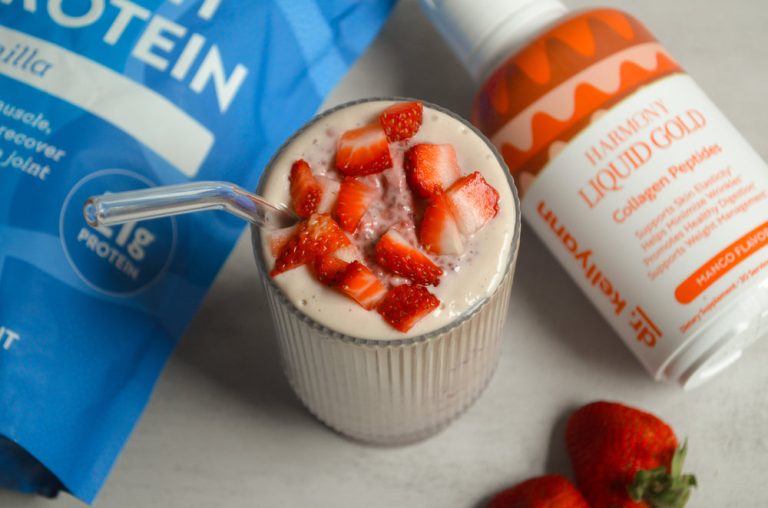
A handful of raw almonds (about 25 nuts) with a small pear, or a scoop of Collagen Peptides Unflavored blended into a smoothie with unsweetened almond milk, half a cup of berries, and a tablespoon of nut butter.
Lunch (~500 calories)
Large mixed green salad with 5 to 6 ounces of grilled wild salmon or grass-fed steak, cherry tomatoes, cucumber, red bell pepper, olives, half an avocado, and a generous drizzle of olive oil and lemon dressing. This delivers roughly 40 grams of protein, meaningful omega-3 fats (from salmon) or CLA and iron (from grass-fed beef), and a wide micronutrient range from the vegetables.
Afternoon Bone Broth and Snack (~150 calories)
One cup of warm bone broth with a small handful of macadamia nuts, or a cup of Greek yogurt (unsweetened, full-fat) with a small handful of berries. This bridges the gap to dinner and supports the mid-day energy dip most women navigate.
Dinner (~600 calories)
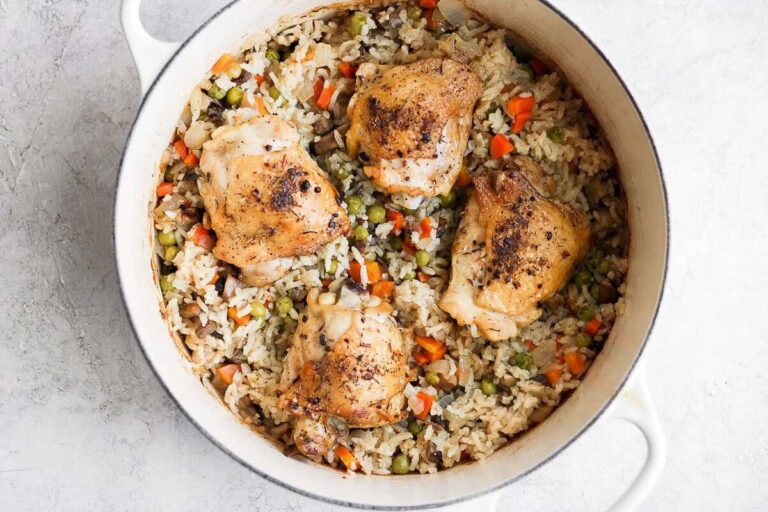
Roasted chicken thigh (6 to 7 ounces skin-on) or grilled wild fish, with roasted Brussels sprouts and cauliflower drizzled with olive oil, plus a half cup of roasted sweet potato with grass-fed butter. This delivers roughly 40 grams of protein, moderate quality carbohydrates, and the mineral support of cruciferous vegetables.
Evening Snack (~100 calories)
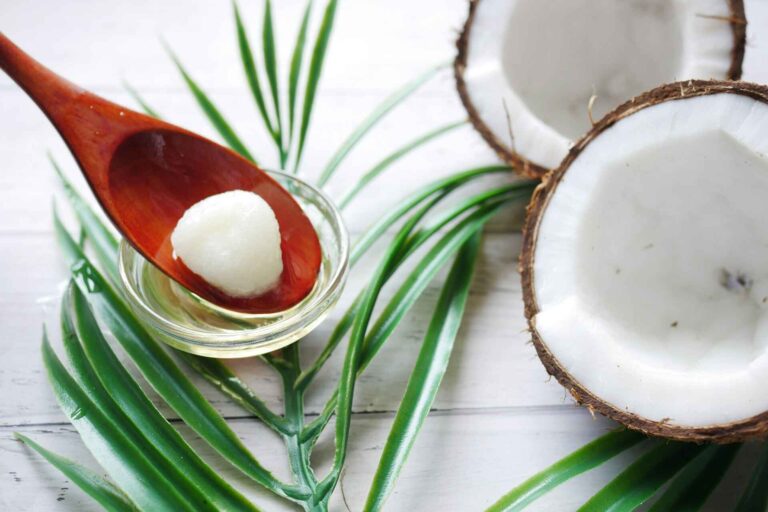
One square of 85 percent dark chocolate with a small handful of almonds, or a small serving of berries with a tablespoon of full-fat coconut cream. This satisfies the evening food impulse without derailing sleep quality.
The Total Daily Profile
This sample day delivers roughly 2000 calories, 130 to 150 grams of protein, 110 to 130 grams of healthy fats, and 80 to 100 grams of net carbs. This profile supports weight maintenance for most women and gradual loss for taller or more active women. The Harvard T.H. Chan School of Public Health Nutrition Source has covered the general principles of nutrient-dense eating at various caloric levels.
When 2000 Calories Is the Right Target
2000 calories tends to work well for: women in their maintenance phase after successful weight loss, taller women (5’8″ and above) at any life stage, women with active jobs or consistent strength training, women in their 30s and 40s with generally healthy metabolic function, and women who found lower calorie levels unsustainable and want a more moderate approach.
For women in their 50s and 60s or with lower activity levels, 2000 calories may be a maintenance surplus that leads to slow weight gain over time. My post on the 1600 calorie meal plan covers the lower-calorie approach for women who need more restriction for weight loss.
The Macronutrient Approach at This Level
Protein: aim for 120 to 150 grams per day distributed across meals. This supports lean muscle maintenance, satiety, and metabolic health. Sources: eggs, wild fish, grass-fed meat, bone broth, Greek yogurt, and cheese if tolerated.
Healthy fats: keep generous. 110 to 130 grams per day at 2000 calories. Sources: olive oil, avocado, nuts, seeds, coconut, grass-fed butter, quality animal fats, and full-fat dairy if tolerated. Skip industrial seed oils entirely.
Carbohydrates: modest and whole-food sourced. 80 to 100 grams net carbs per day. Sources: non-starchy vegetables in abundance, moderate portions of sweet potato, winter squash, beets, and berries. Skip refined grains, added sugars, and processed carbohydrates.
The Role of Daily Bone Broth
Two to three cups of bone broth per day fits cleanly into a 2000 calorie framework, adding roughly 150 to 180 calories and 27 grams of collagen-derived protein. The bone broth provides gut lining support, mineral and electrolyte density, and warm satiety that helps regulate appetite between meals. The full Bone Broth collection makes daily practice practical for anyone at any caloric level.
Foods to Emphasize and Avoid
Foods to emphasize: quality proteins (grass-fed meat, wild fish, pastured eggs, bone broth), healthy fats (olive oil, avocado, nuts, seeds, coconut, grass-fed butter), non-starchy vegetables in abundance, small portions of moderate-carb vegetables (sweet potato, winter squash, beets), berries, and full-fat fermented dairy if tolerated.
Foods to avoid or minimize regardless of calorie level: industrial seed oils, refined sugars, refined grains, processed foods, packaged snacks, and sweetened beverages. These undermine metabolic and inflammatory benefits even when they fit within the calorie budget.
For a Structured Framework
For a more comprehensive structured framework, my Bone Broth Diet provides a 21-day program built on these same principles. The Bone Broth Diet uses a lower caloric intake during the initial 21 days for accelerated weight loss and metabolic reset, then transitions to a maintenance-friendly framework similar to this 2000 calorie approach. The Bone Broth collection supports the daily nutritional practice that makes any caloric framework more sustainable and more nutritionally complete.
Frequently Asked Questions
Is 2000 calories a day enough to lose weight?
2000 calories per day supports weight loss for taller women, active women, or women with faster metabolisms. For smaller or less active women, 2000 calories may be at or above maintenance level. Individual weight loss depends on your specific metabolic rate, activity level, and body composition. For most women targeting weight loss, 1400 to 1700 calories tends to produce more consistent loss than 2000.
What does a 2000 calorie meal plan look like?
A whole-food 2000 calorie day typically includes three main meals of 450 to 600 calories (breakfast, lunch, dinner), plus one to two snacks of 100 to 200 calories, plus two to three cups of bone broth. Focus on quality proteins (120 to 150 grams daily), healthy fats (110 to 130 grams), and modest carbohydrates (80 to 100 grams net carbs). Skip industrial seed oils, refined sugars, and processed foods.
How much protein on 2000 calories?
Aim for 120 to 150 grams of protein per day at 2000 calories, distributed across meals. This supports lean muscle maintenance, satiety, and metabolic health, particularly important for women in perimenopause and beyond. Quality sources include grass-fed meat, wild fish, pastured eggs, bone broth (roughly 9 grams per cup), Greek yogurt, and cheese if tolerated.
Is 2000 calories good for maintenance?
Yes, 2000 calories works as a maintenance level for many women in their 30s and 40s with generally active lifestyles. Smaller, less active, or older women may maintain at lower caloric levels (1600 to 1800). Taller or more active women may need 2200 to 2500 for maintenance. The composition of the 2000 calories (quality protein, healthy fats, whole-food carbohydrates) matters more than the exact number for long-term metabolic health.