This Thanksgiving menu brings together a whole roasted turkey, cozy sides, cranberry sauce, and mini cheesecake bites—with a prep plan to help you spread out the work. I’ve gathered existing Fit Foodie Finds recipes and separated what you can cook ahead, what you can assemble ahead, and what still needs attention on Thanksgiving.
Think of this as a flexible planning guide, not a tested minute-by-minute cooking schedule. Start with your guest count and kitchen setup, then use each linked recipe for its ingredients and full directions.
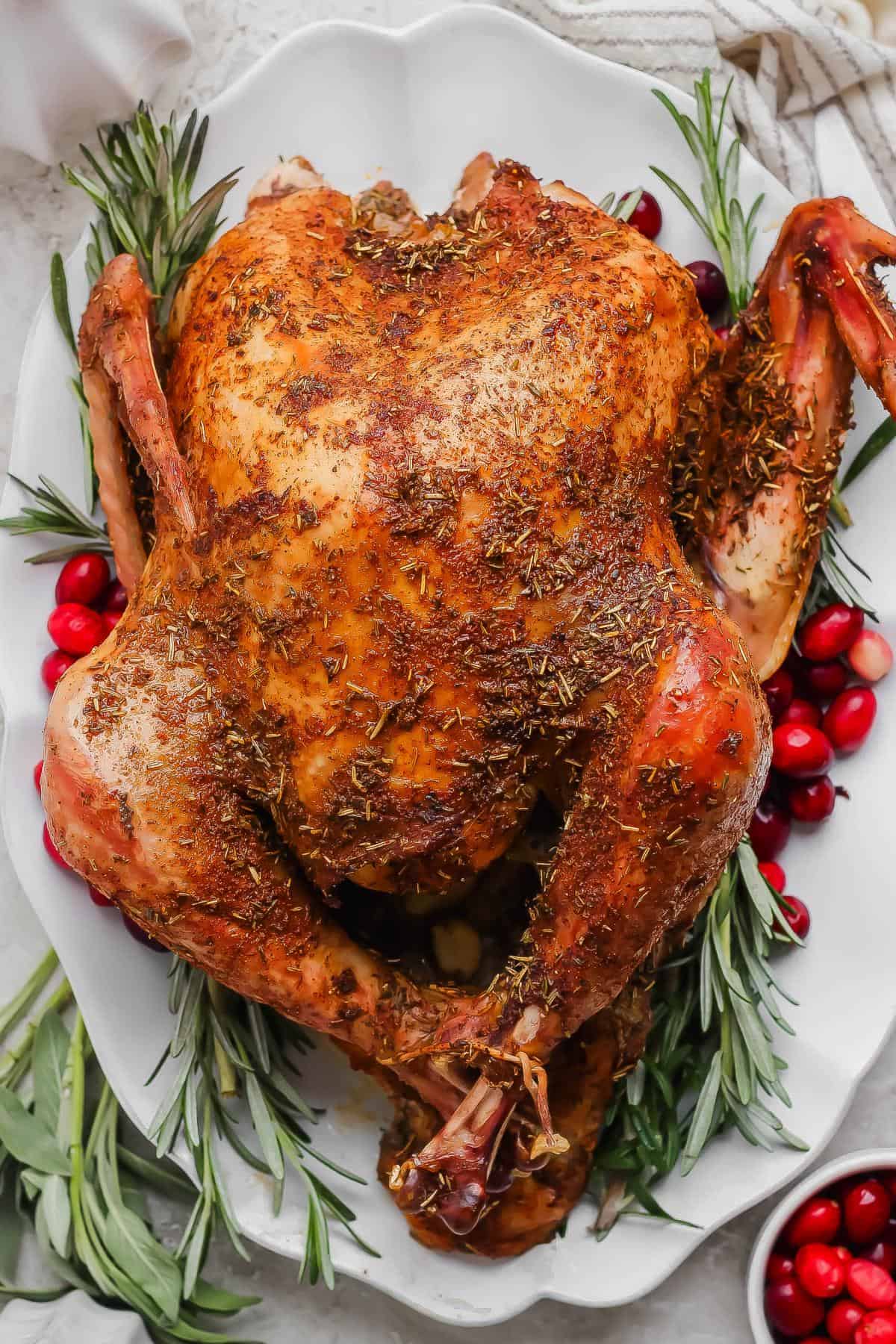
Table Of Contents
- Fewer Decisions: Start with one main, three familiar sides, cranberry sauce, and dessert instead of sorting through dozens of recipes.
- Useful Advance Prep: Know the difference between a finished dish waiting to be reheated and an assembled casserole that still needs baking.
- Kitchen-Smart Planning: Make room for the turkey, check your casserole dishes, and move dessert baking out of Thanksgiving day.
- Room To Make It Yours: Adjust portions, assign a side to a guest, or choose a separate smaller-menu option.
Choose Your Turkey
The menu below starts with my oven-roasted Thanksgiving turkey. If you’d rather use a smoker, try my smoked turkey instead. Follow your chosen recipe’s prep, equipment, and cooking directions—the two methods do not share one cooking schedule.
For this Thanksgiving dinner menu, I’m starting with a whole roasted turkey and keeping the sides focused. The quantities below are individual recipe yields—not a promise that one batch of everything feeds the same number of guests.
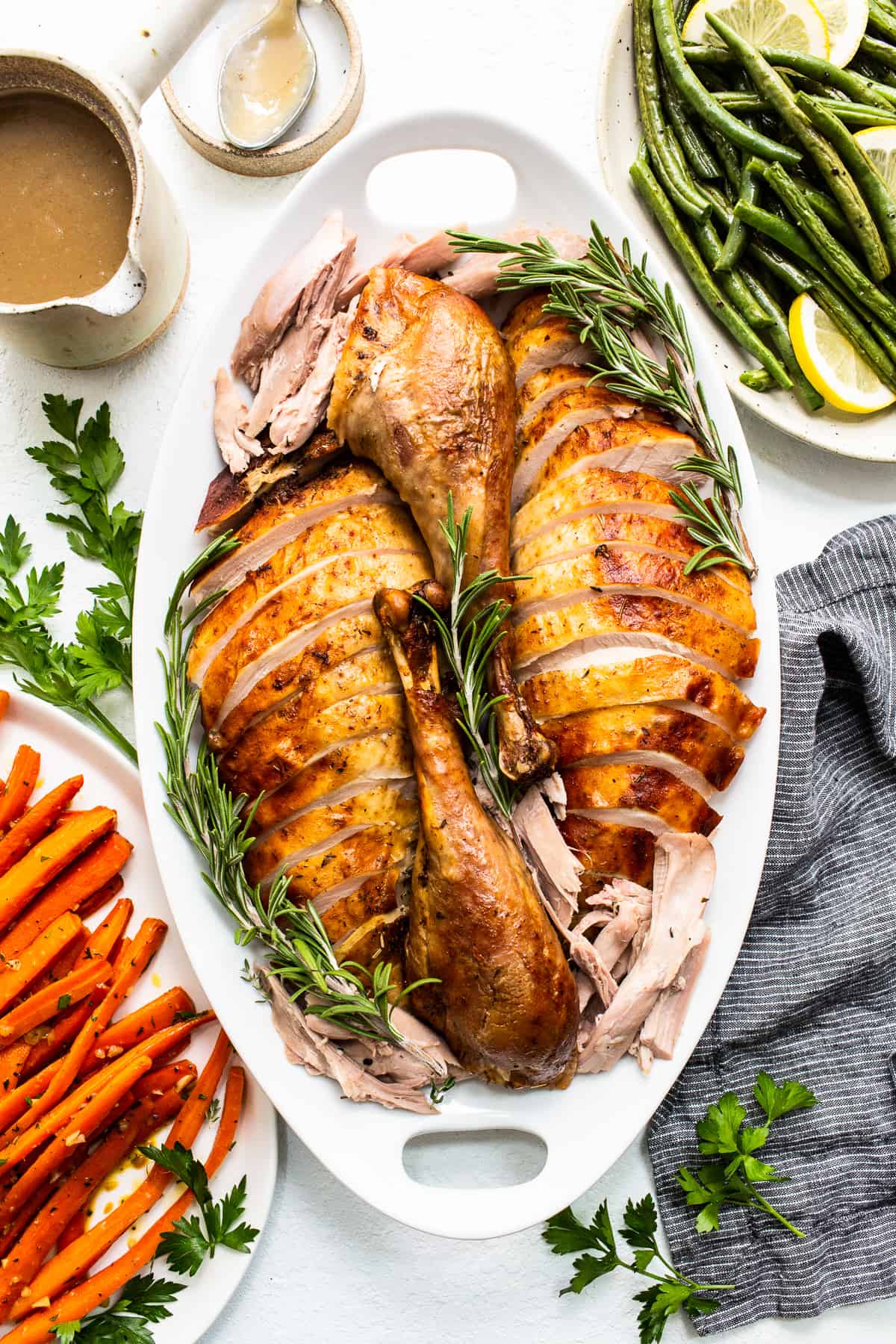
Thanksgiving Turkey
- Course: Main
- Yield / Quantity Planning: A whole bird; choose its size for your guests and desired leftovers
- Place In The Plan: Allow for refrigerator thawing, a separate overnight brine, roasting, and resting
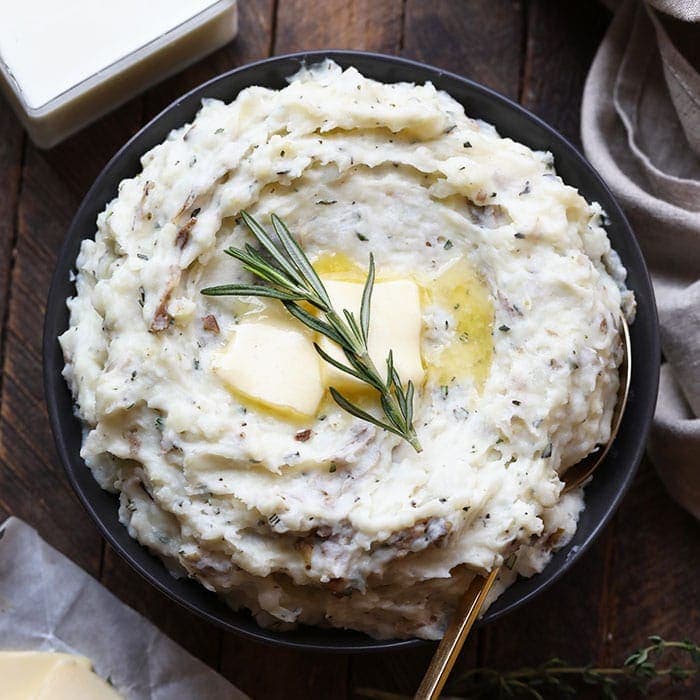
Best Healthy Mashed Potatoes
- Course: Potatoes
- Yield / Quantity Planning: 8 servings
- Place In The Plan: Cook on the stovetop; make ahead if desired
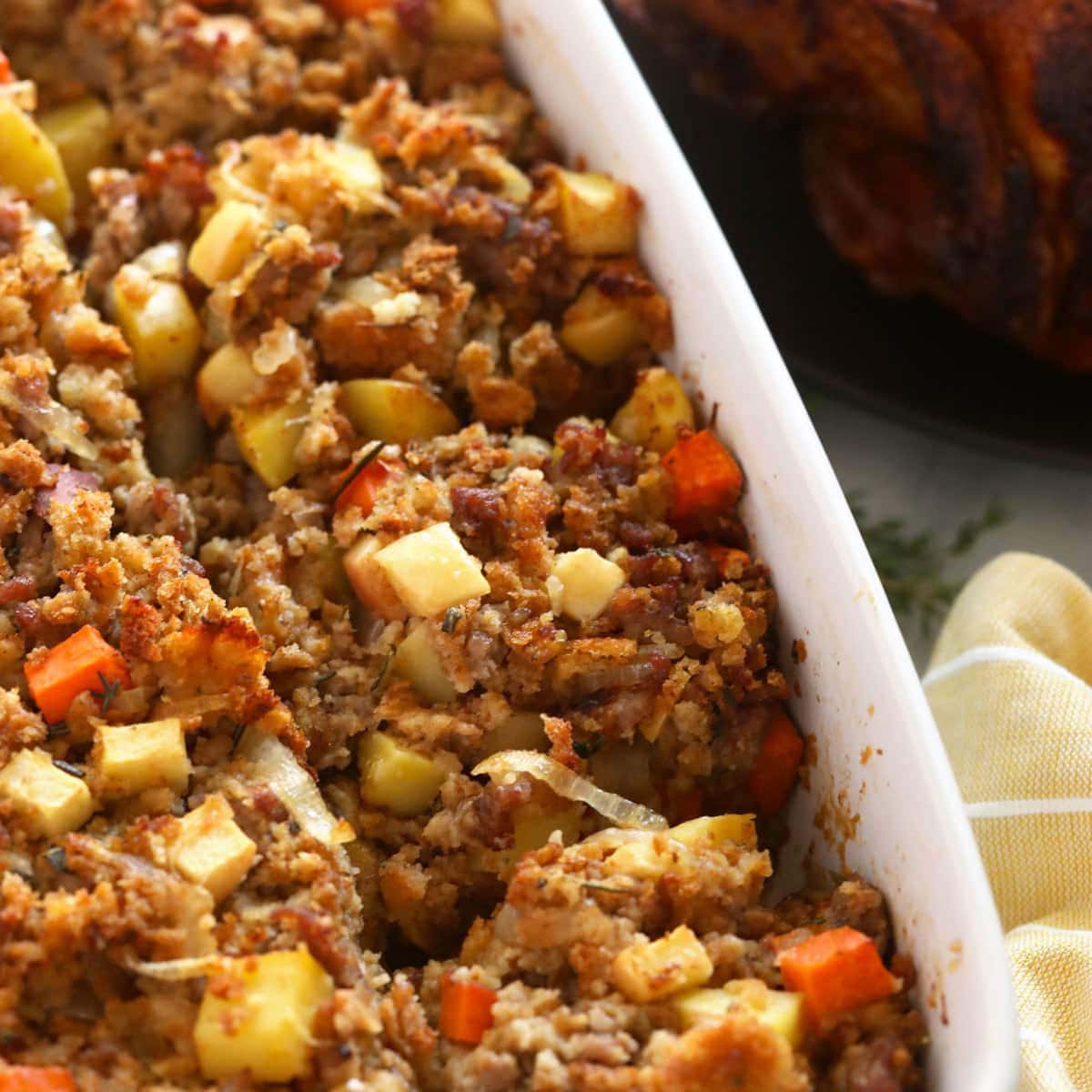
Incredible Sausage Stuffing
- Course: Stuffing
- Yield / Quantity Planning: 10 servings
- Place In The Plan: Bake in its own casserole dish; a fully baked make-ahead option is included
Green Bean Casserole With Bacon
- Course: Green Vegetable
- Yield / Quantity Planning: 8 servings
- Place In The Plan: Assemble ahead without the breadcrumb topping; bake and finish on Thanksgiving
Lemon Ginger Cranberry Sauce
- Course: Cranberry Sauce
- Yield / Quantity Planning: 6 servings
- Place In The Plan: Make ahead on the stovetop; plan the dessert’s sauce separately
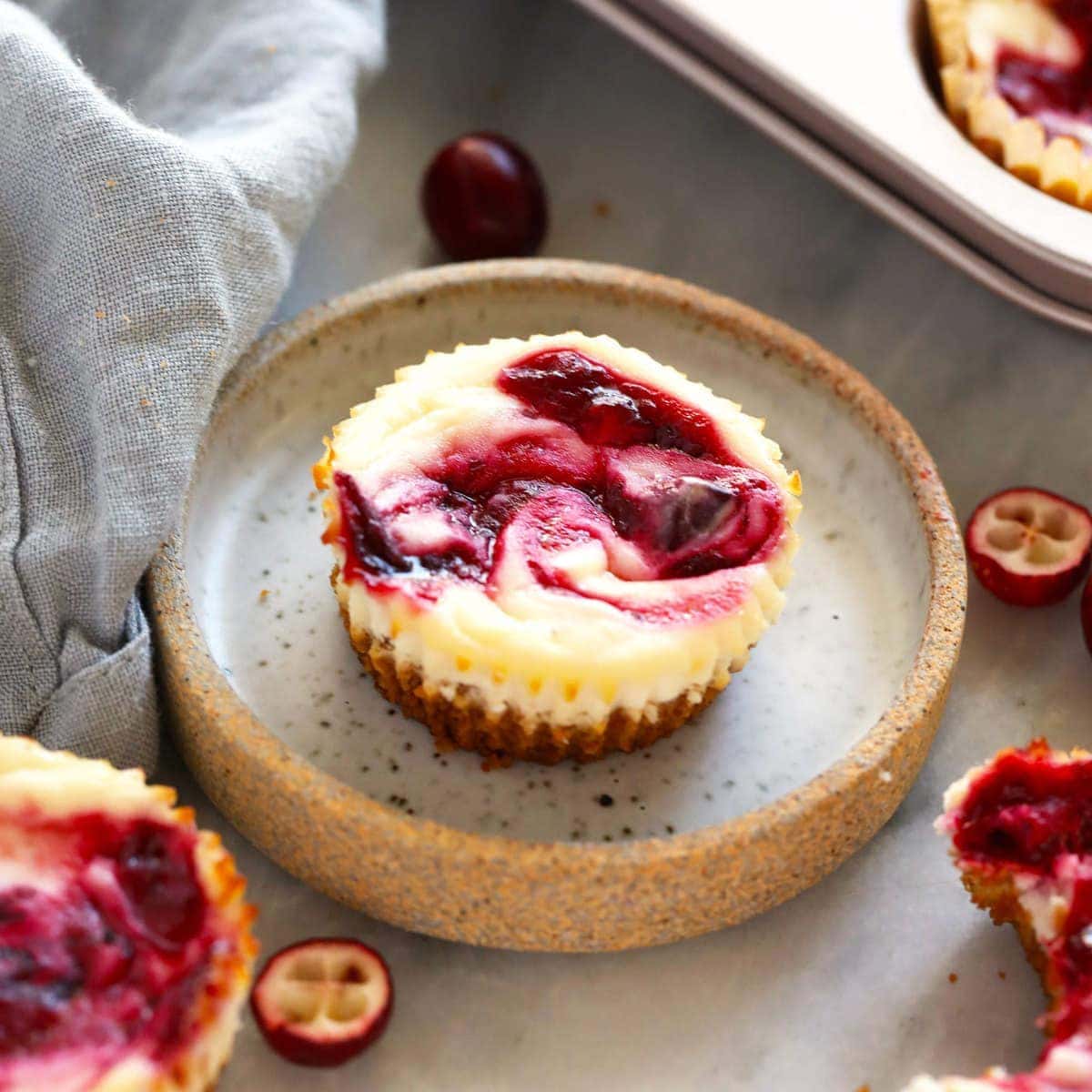
Cranberry Swirl Greek Yogurt Cheesecake Bites
- Course: Dessert
- Yield / Quantity Planning: 12 mini cheesecake bites
- Place In The Plan: Bake and chill ahead; serve chilled
Homemade Turkey Gravy
- Course: Optional Gravy
- Yield / Quantity Planning: 8 servings
- Place In The Plan: Finish on the stovetop once the turkey’s basting liquid is available
Before shopping, decide how much of each dish your guests will want and whether you’re planning for leftovers. Cranberry sauce has a smaller listed yield than the stuffing, and a mini cheesecake is not the same portion as a slice of cake. Adjust recipe quantities as needed, but don’t multiply cooking times when scaling a recipe.
Cranberry Sauce Heads-Up: The cheesecake recipe calls for ⅓ cup cranberry sauce. Set that amount aside for dessert and plan your dinner-table portion separately. The sauce recipe does not state a finished batch volume, so don’t assume one batch covers both uses.
Want to swap a side? Browse my Thanksgiving sides rather than adding every option to this menu.
What You Can Make Ahead
I’d aim to prepare the cooked-ahead dishes one or two days before Thanksgiving. That keeps the work manageable without relying on the outer edge of a recipe’s refrigerator-storage window.
Fully Cook Ahead
- Dishes: Mashed potatoes, sausage stuffing, cranberry sauce, and cheesecake bites
- What Still Needs To Happen: Refrigerate promptly. Reheat potatoes and stuffing safely; keep the dessert chilled
Assemble Ahead
- Dishes: Green bean casserole
- What Still Needs To Happen: Refrigerate the assembled, unbaked casserole without breadcrumbs; it still needs its covered bake and topping finish.
Finish On Thanksgiving
- Dishes: Turkey, casserole, and optional turkey gravy.
- What Still Needs To Happen: Roast the turkey, bake and finish the casserole, and make gravy when the basting liquid is available.
- Mashed Potatoes: The recipe allows up to 3 days refrigerated and offers microwave or oven reheating. Use its texture tips if the potatoes need loosening; reheat to 165°F.
- Sausage Stuffing: The recipe’s advance option is fully baked stuffing, refrigerated for up to 3 days. Its covered reheating method uses 325°F—not the 375°F initial bake. Reheat to 165°F rather than treating the suggested minutes as a guarantee.
- Green Bean Casserole: Its advance option is the unbaked assembly through step 11, refrigerated for up to 2 days without the breadcrumb topping. On Thanksgiving, make the topping during the covered bake, then add it after that bake, immediately before broiling.
- Cranberry Sauce And Cheesecake Bites: Make these one or two days ahead and refrigerate. The cheesecake needs at least 2 hours of chilling after baking, so leave room for that step.
The mashed potatoes and green bean casserole recipes advise against freezing because of texture changes. This is a refrigerator-prep plan, not a promise that every dish is freezer-friendly.
Keep the refrigerator at 40°F or below and label containers with their preparation dates. Reheating does not restart a food’s storage clock; use the shorter applicable recipe limit or USDA’s 3–4-day cooked-leftover guidance.
Your Thanksgiving Prep Timeline
This Thanksgiving prep timeline gives you a task order to adapt to your serving time. It does not establish that all of these dishes fit in one oven or finish together at a particular hour.
One Week Before
- Confirm The Menu: Check your guest count, dietary needs, desired leftovers, and which dishes guests will bring. These recipes are not automatically suitable for every dietary restriction.
- Check Your Equipment: Make sure you have the turkey’s roasting setup, casserole dishes, a thermometer, stovetop space, and enough refrigerator room for the bird’s brining container.
- Plan Frozen-Turkey Thawing: USDA recommends roughly 24 hours per 4–5 pounds in a refrigerator at 40°F or below. Work backward from your bird’s weight, then allow for the recipe’s separate brining window. There is no universal “start on Monday” rule.
- Build Your Shopping List: Set quantities first, including the cheesecake’s separate cranberry-sauce requirement.
Two Days Before
- Make Cranberry Sauce: Refrigerate promptly and reserve the measured dessert portion before planning what goes on the table.
- Bake Cheesecake Bites: Follow the recipe’s baking and chilling directions, then keep the bites refrigerated.
- Bake Stuffing If Desired: Use the recipe’s fully baked make-ahead option and refrigerate in shallow containers within the safe cooling window.
The Day Before
- Prepare Mashed Potatoes: Make them ahead if that helps your kitchen plan, then refrigerate promptly.
- Assemble The Casserole: Stop at the documented unbaked, unbreaded stage. Cover and refrigerate; leave the final topping for Thanksgiving.
- Brine The Thawed Turkey: Follow the turkey recipe’s 12-hour refrigerator brine. A refrigerator-thawed bird can remain refrigerated for 1–2 days before cooking; count the brining time within that window, not as extra storage time. Do not thaw on the counter.
- Set Up Serving: Label serving dishes, choose utensils, and confirm what any helpers need to finish when they arrive.
Thanksgiving Day
- Roast The Turkey: Roasting time varies with the turkey’s weight. Follow the linked recipe and use a thermometer, not a clock alone. USDA recommends checking for at least 165°F in the thickest breast and innermost thigh and wing, without touching bone.
- Bake And Finish The Casserole: Give it its own appropriate oven slot. Make the breadcrumb topping during the covered bake, then uncover the casserole, add the topping, and broil as directed in the recipe. A refrigerated assembly may need longer to heat through than a freshly assembled dish.
- Reheat The Cooked Sides: Use each recipe’s supported method and check for 165°F. Account for pan size and how cold the food is at the start.
- Finish Optional Gravy: Make it once the turkey’s basting liquid is available.
- Serve Dessert Chilled: Bring the cheesecake bites out of the refrigerator when you’re ready for dessert.
Plan Your Oven And Stovetop Space
The recipes do not all use the same oven temperature. Making dessert and stuffing ahead reduces Thanksgiving-day demand, but it doesn’t make baking and reheating temperatures interchangeable.
Whole Turkey
- Recipe Requirement: 325°F roasting; large roasting pan and rack
- What To Plan Around: Check the bird’s size, pan clearance, and refrigerator space for the brine
Sausage Stuffing
- Recipe Requirement: 375°F initial bake; 325°F documented covered reheat
- What To Plan Around: Bake ahead if desired; matching the turkey’s oven setting does not prove both pans fit or heat evenly together
Green Bean Casserole
- Recipe Requirement: 350°F covered bake, followed by a brief broil after adding topping
- What To Plan Around: Reserve a suitable bake-and-finish slot rather than lowering the temperature to match the turkey
Cheesecake Bites
- Recipe Requirement: 350°F baking, followed by at least 2 hours chilling
- What To Plan Around: Complete ahead so dessert doesn’t compete for the oven on Thanksgiving
Potatoes, Sauce, And Gravy
- Recipe Requirement: Stovetop or recipe-supported reheating methods
- What To Plan Around: Count burners and microwave space as well as oven racks
A cold casserole needs more heat to bring its center up to temperature than a warm, freshly assembled one. An oven setting tells you how hot the cooking environment is—not whether the food’s center is ready.
My Planning Tip: For every dish, write down the pan, oven temperature or burner needed, whether it starts cold, and its finishing task. Check the actual pan-and-rack layout before deciding anything can share the oven.
If the pans don’t fit or temperatures conflict, choose a recipe-supported non-oven reheating method where available, use a separate suitable oven, or assign a finished side to a guest. Don’t assume the entire casserole bake will fit into the turkey’s rest period, and don’t leave cooked food on the counter indefinitely while other dishes finish.
Cooking For A Smaller Group Or Hosting Potluck Style
For a smaller gathering, my sheet-pan Thanksgiving dinner for four is a separate menu option. Follow that recipe’s quantities and timing rather than dividing whole-turkey cooking times into smaller portions.
For a potluck, ask each helper for four things: the dish they’re bringing, their arrival time, whether it arrives cooked, and any refrigerator or oven space it needs. A side that arrives finished has very different kitchen needs from an unbaked casserole.
You can also find more gathering ideas in my Friendsgiving hosting guide.
Drinks And The Next Day’s Leftovers
Round out the meal with Thanksgiving cocktails and nonalcoholic drinks, then make a plan for leftovers before everyone sits down.
These safety reminders come from USDA’s Safe Thanksgiving Guide:
- Chill Promptly: Refrigerate perishable food within 2 hours, or within 1 hour if the temperature is above 90°F. Don’t wait for a large dish to cool completely on the counter.
- Portion For Cooling: Divide leftovers into shallow containers. Keep raw turkey and its juices separate from ready-to-eat foods during prep.
- Hold At Safe Temperatures: Keep cold food at 40°F or below and hot-held food at 140°F or above.
- Count From Preparation: Use cooked turkey and other cooked leftovers within 3–4 days, following any shorter recipe limit. A side cooked Tuesday does not get a fresh four-day window on Thursday.
- Reheat Thoroughly: Heat leftovers to 165°F before serving.
For ideas beyond another plate of dinner, browse my turkey leftover recipes. Find more options in the Thanksgiving recipe collection.
FAQs