
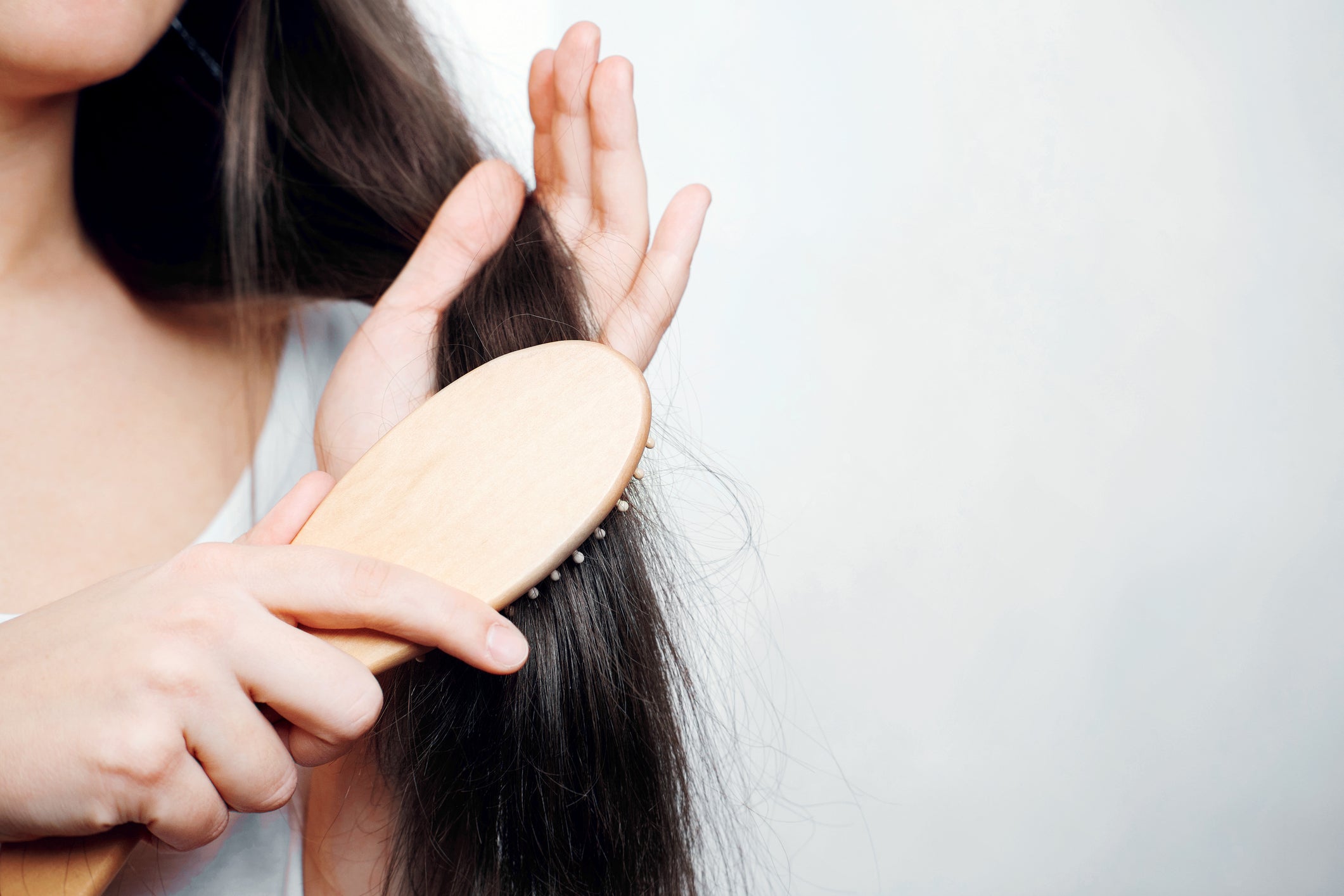
Hair loss and thinning hair are among the most emotionally distressing concerns my patients bring to me, and they are far more common than most people realize, particularly in women over 35. When patients come to me with this concern, collagen is one of the first things I address. Not as a magic fix, but as foundational nutritional support that the hair growth process genuinely depends on.
Let me explain the connection and tell you what I actually see work in my practice.
Why Collagen Matters for Hair
Each hair follicle is surrounded by a dermal papilla and a connective tissue sheath, both of which are collagen-rich structures. The health of these collagen-containing tissues directly affects hair follicle function, the production of new hair cells, and the growth cycle.
Collagen also provides the amino acids, particularly proline, that your body uses to build keratin. Keratin is the primary structural protein of the hair shaft itself. Without adequate amino acid precursors including those from collagen, keratin production can be impaired, leading to weaker, thinner hair strands.
Collagen as an Antioxidant for Hair Follicles
This is a mechanism that is less commonly discussed but worth understanding. Collagen, particularly Type I collagen derived from hydrolyzed peptides, contains compounds that may help neutralize free radicals. Why does this matter for hair? Free radical damage to hair follicle cells is one of the contributing factors in age-related hair follicle decline. Supporting antioxidant defenses around the follicle may help maintain follicle health over time.
Collagen and the Dermal Layer of the Scalp
The dermis, the deep layer of the scalp, contains a dense network of collagen fibers that support the structure of hair follicles and blood vessels that nourish them. As collagen production declines with age, this dermal matrix weakens. Hair follicles that are less structurally supported tend to produce thinner, weaker hair and eventually shrink. Collagen supplementation may help maintain the integrity of this dermal scaffold.
What Affects Collagen’s Impact on Hair
Collagen supplementation is most likely to support hair health when hair thinning is related to nutritional deficiency, age-related collagen decline, or oxidative stress. It is less likely to significantly impact hair loss that is primarily hormonal (such as androgenetic alopecia) or autoimmune (such as alopecia areata). Those conditions require targeted medical evaluation and treatment.
That said, even in patients with hormonal hair thinning, adequate collagen support creates a better nutritional foundation for whatever treatment approach is being used. I always address nutrition first, regardless of the underlying cause.
Other Nutritional Factors That Work Alongside Collagen
Collagen does not work in isolation for hair health. The full picture includes:
-
Vitamin C: required for collagen synthesis and also an antioxidant that protects follicles
-
Biotin: supports keratin production (see my post on biotin and collagen for details)
-
Iron: deficiency is one of the most common and underdiagnosed causes of hair loss in women
-
Zinc: involved in hair follicle cell reproduction and repair
-
Omega-3 fatty acids: support scalp health and reduce inflammation around follicles
For a full picture of why collagen is so valuable for hair and the rest of the body, check out my post on the benefits of collagen, which goes into the mechanisms in more detail.
How Much Collagen for Hair Growth?
Hair follicles have a slow growth cycle: most head hairs grow about half an inch per month, and the full cycle from growth to rest to shedding takes two to six years. This means results from collagen supplementation for hair take time. Most of my patients report noticeable improvements in hair thickness and reduced shedding after three to six months of consistent daily use. For dosage guidance, I have a full breakdown in my post on how much collagen per day. The short answer: 10 grams of hydrolyzed collagen peptides per day, taken consistently, is where most people see results.
The Bottom Line
If you are dealing with thinning hair or slower hair growth, collagen is worth taking seriously as a long-term nutritional investment. It is not a quick fix and it is not a standalone cure, but for most people it is a meaningful piece of the puzzle. My collagen powder provides hydrolyzed Type I and Type III collagen specifically designed for bioavailability. And if you want a full dietary framework that supports hair, skin, gut, and weight all at once, the Bone Broth Diet integrates collagen and bone broth into a clean eating protocol that creates the conditions for whole-body renewal.