While some people may just have larger pores naturally (pore size is genetic, and they don’t actually shrink), orange peel skin is often a result of collagen decline. “It’s a sign of sun damage and aging. Basically, as collagen and elastin are compromised, the pores are not held closed, leaving them larger and more visible,” says Morgan Rabach, M.D., board-certified dermatologist and co-founder of LM Medical NYC.
Similar Posts
Brain Cells Start To Die In Your 20s: How To Keep Your Mind Sharp As You Age
When we use strategy to solve puzzles or play thinking games, we engage our linguistic-verbal intelligence…
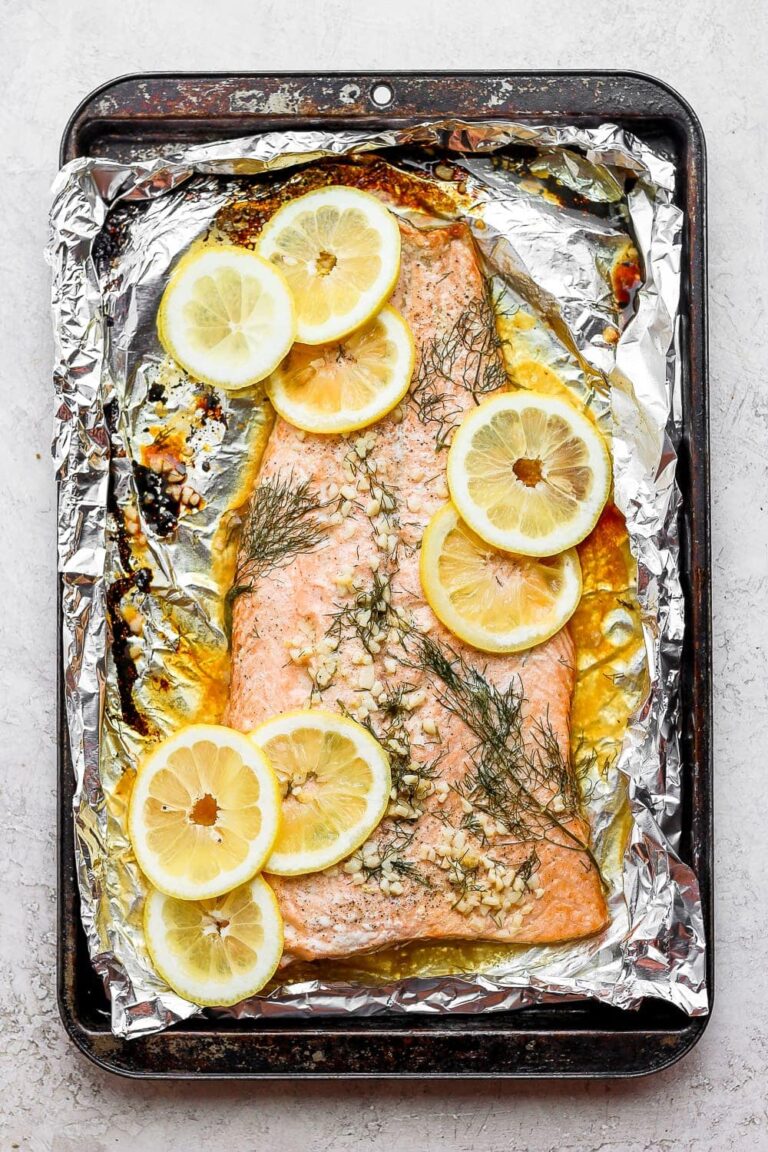
Flaky Oven-Baked Salmon (Cooked in Foil!)
Bland, dry salmon no more! My parents made salmon all the time growing up and they…
I’m A Registered Dietitian & Even I Was Impressed By This Meal Delivery Service
As a registered dietitian, I’m committed to helping people make informed decisions on what they eat….
NSW community urged to stay COVID-safe this summer
NSW Health is reminding the community to keep practising COVID-safe behaviours, as COVID-19 remains at high…
Bivakta Asana, Anjani Asana or Hanuman asana And Divided Janushira asana
Bivakta Asana A. Method – Sit with both feet together. Extend the right leg to the…
Comparing Modern Approaches to CLL Treatment Drugs
Chronic lymphocytic leukemia (CLL) is considered the most common type of leukemia in adult patients. Over…