
Hot flashes and night sweats affect roughly 75 percent of women during menopause, and while the underlying hormonal shifts that produce them cannot be reversed nutritionally, the specific triggers that make individual hot flashes more frequent or more intense can often be identified and reduced. This is meaningful because reducing trigger exposure typically reduces hot flash frequency and intensity substantially even when the underlying hormonal environment is unchanged. Daily Bone Broth Classic Chicken practice and the broader framework support the nutritional stability that reduces trigger susceptibility.
After two decades of clinical practice, Dr. Kellyann observed that many women accept hot flashes as unavoidable when significant reduction in frequency and intensity is often possible through targeted trigger identification and nutritional support. This does not eliminate hot flashes; nothing does completely short of hormone therapy. What it does is meaningfully reduce their impact on daily life for many women.
The Common Nutritional and Lifestyle Triggers
Refined Sugars and Blood Sugar Fluctuation
Blood sugar spikes and crashes are one of the most consistent hot flash triggers for menopausal women. The sugar spike is followed by an insulin response, which can trigger the cortisol and adrenaline release that contributes to hot flash onset. Women who identify sugar and refined carbohydrate crashes as personal triggers typically report meaningful improvement from reducing these foods, particularly in the evening hours when overnight hot flashes and night sweats are most disruptive.
Alcohol
Alcohol is one of the most common individual hot flash triggers, particularly wine consumed in the evening. The alcohol affects temperature regulation directly and produces the immediate flushing that can escalate into a full hot flash. For women who identify alcohol as a personal trigger, reducing evening alcohol consumption typically reduces overnight hot flash frequency substantially.
Caffeine, Particularly in the Afternoon
Caffeine affects the sympathetic nervous system that contributes to hot flash physiology. Afternoon and evening caffeine consumption in particular can worsen hot flashes and night sweats. Some women can tolerate morning caffeine without significant hot flash effects while afternoon caffeine consistently triggers events. Research indexed in NIH’s PubMed database has explored caffeine and menopausal symptoms in the broader wellness literature.
Spicy Foods
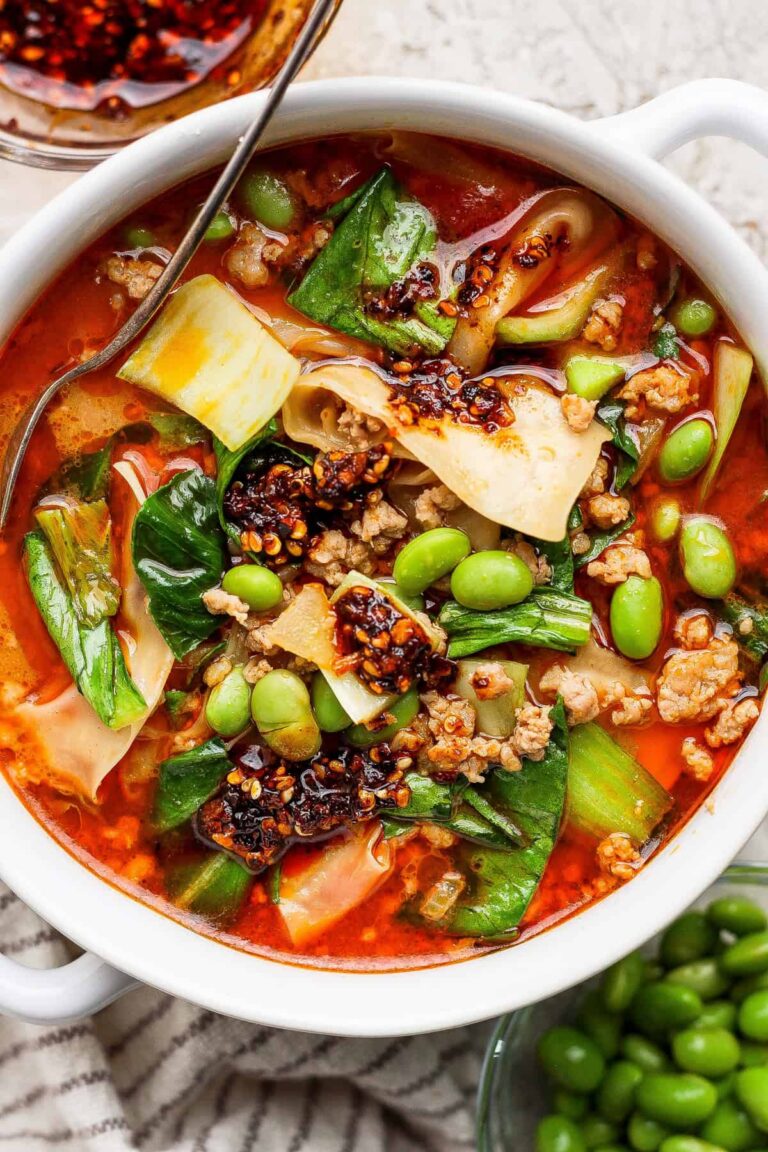
Spicy foods directly stimulate the thermoregulatory system that hot flashes involve. For some women, spicy foods are meaningful triggers; for others, they are not particularly problematic. Individual trigger patterns vary meaningfully.
Overheating and Environmental Triggers
Warm rooms, hot showers close to bedtime, heavy bedding, and warm clothing can all trigger hot flashes in women who are susceptible. Managing environmental temperature (cooler bedroom, cooler clothing, cooler bath water in evening) reduces environmental trigger exposure.
Stress and Cortisol
Elevated cortisol from stress directly contributes to hot flash physiology. Women in high-stress periods typically experience more frequent and intense hot flashes than during calmer periods. Stress management practices reduce cortisol exposure and hot flash frequency simultaneously. The Cleveland Clinic has covered stress and menopausal symptoms in the broader wellness literature.
Identifying Personal Triggers
Individual trigger patterns vary meaningfully between women. What triggers hot flashes for one woman may be irrelevant for another. The practical approach for identifying personal triggers is a two-week trigger journal. Each hot flash is briefly noted with time, what was consumed in the previous few hours, environmental conditions, and stress level. Patterns typically emerge within two weeks that identify the specific triggers most relevant for the individual woman.
Once personal triggers are identified, targeted reduction of those specific triggers typically produces meaningful improvement without requiring elimination of foods and habits that are not actual triggers for that woman. This targeted approach is more sustainable than blanket restriction of all potential triggers.
The Nutritional Foundation That Reduces Susceptibility
Beyond specific trigger avoidance, the broader nutritional foundation affects how susceptible women are to any given trigger. A woman with stable blood sugar, adequate protein, adequate hydration, and consistent daily practice tends to be less susceptible to individual triggers than a woman whose daily nutrition is inconsistent.
Daily Bone Broth Practice
Daily Bone Broth Classic Chicken contributes to hydration, mineral adequacy, and protein delivery that support the broader nutritional stability. Two to three cups distributed across the day provides the daily foundation.
Adequate Daily Protein
Protein intake affects blood sugar stability directly. Women eating 30 to 40 grams of protein per meal typically experience meaningfully less blood sugar fluctuation than women whose meals are carbohydrate-dominant. This stability reduces one of the most common hot flash triggers by addressing its underlying mechanism.
Peri-Menopause Supplement Support
The Peri-Menopause supplement provides the broader nutritional support for the hormonal transition that indirectly affects hot flash susceptibility. Daily practice contributes to the nutritional foundation alongside daily bone broth and adequate protein.
Daily Collagen Support
Collagen Peptides Unflavored contributes to daily protein delivery and supports the connective tissue that helps regulate temperature responses. This is a supporting rather than primary intervention, but it fits into the comprehensive framework.
What This Framework Will Not Do
Nutritional trigger identification and daily practice will not eliminate hot flashes completely. The underlying hormonal environment continues driving some baseline frequency regardless of trigger management. What the framework provides is meaningful reduction in frequency and intensity of individual events, particularly for women whose triggers are identified through the journaling process and specifically reduced.
For women whose hot flashes significantly disrupt daily function despite trigger management, medical coordination with a healthcare provider familiar with menopause is warranted. Hormone therapy and other medical interventions may be appropriate depending on individual situation and provider guidance. The nutritional framework operates alongside rather than replacing medical care for women whose symptoms warrant it. The Harvard T.H. Chan School of Public Health Nutrition Source has covered menopausal symptom management in the broader dietary guidance. The Dr. Kellyann guide on perimenopause symptoms covers the broader symptom picture. The related guide on natural remedies for hot flashes covers additional nutritional and lifestyle approaches for reducing hot flash frequency and intensity.
The Realistic Reduction Expectation
Women who identify personal triggers through the two-week journaling process and specifically reduce those triggers combined with the daily nutritional framework typically report 30 to 60 percent reduction in hot flash frequency and 20 to 40 percent reduction in intensity of individual events. This is meaningful improvement even without complete elimination. For women whose hot flashes were disrupting sleep, work, or social functioning, this reduction typically improves quality of life substantially. The framework works best when combined with the broader menopause nutritional framework and any appropriate medical support for individual situations.
Frequently Asked Questions
What foods trigger hot flashes?
Common food triggers include refined sugars (blood sugar spikes trigger cortisol release contributing to hot flashes), alcohol (particularly evening wine which affects temperature regulation directly), caffeine (particularly afternoon and evening consumption), and spicy foods. Individual patterns vary meaningfully between women. A two-week trigger journal identifies which specific foods are personal triggers rather than assuming all potential triggers apply to every woman.
How do I know if something is triggering my hot flashes?
Keep a brief trigger journal for two weeks. Note each hot flash with time, what was consumed in the previous few hours, environmental conditions (temperature, activity), and stress level. Patterns typically emerge within two weeks that identify the specific triggers most relevant for the individual woman. Once identified, targeted reduction of those specific triggers typically produces meaningful improvement without requiring blanket restriction.
Does bone broth help reduce hot flashes?
Daily Bone Broth Classic Chicken practice supports the broader nutritional stability (hydration, mineral adequacy, protein delivery) that reduces overall susceptibility to individual hot flash triggers. It does not directly reduce hot flashes but contributes to the daily foundation that combined with trigger reduction produces meaningful improvement. Two to three cups distributed across the day provides the daily support.
Can nutritional changes eliminate hot flashes completely?
No, nutritional changes cannot eliminate hot flashes completely because the underlying hormonal environment continues driving some baseline frequency. What targeted trigger identification and daily nutritional practice produce is meaningful reduction in frequency and intensity: typically 30 to 60 percent reduction in frequency and 20 to 40 percent reduction in intensity. For women whose hot flashes significantly disrupt daily function despite trigger management, medical coordination with a healthcare provider is warranted.