This could be the biggest week for biotech IPOs in years — even if the government remains shuttered temporarily.
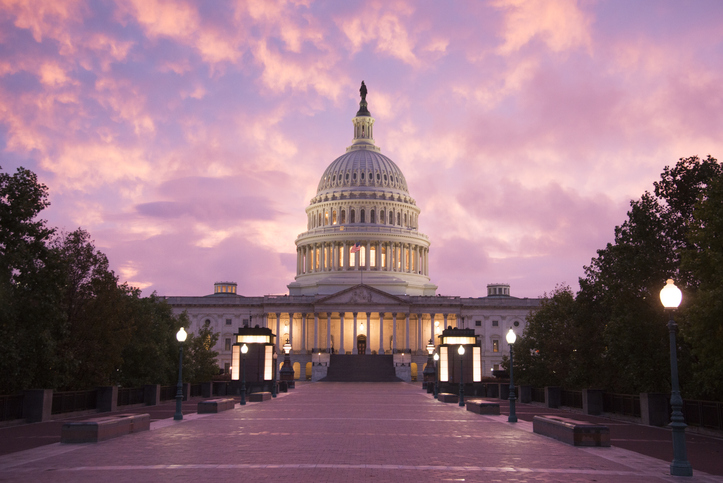
Government funding lapsed this past Saturday, sparking a partial government shutdown that has closed agencies not deemed essential for public safety and national security. The list of closed agencies includes the Securities and Exchange Commission, which must sign off on an IPO filing before a company can go public.
The shutdown could be brief. House Speaker Mike Johnson said on Meet the Press that he expects the Senate-passed funding bill will go to a vote in the House of Representatives by Tuesday. But until the government reopens, the SEC’s operations plan states the agency will not process new or pending registration statements.
Across all sectors, as many as eight companies are lined up for IPOs this week, according to IPO research firm Renaissance Capital. If all eight price their offerings this week, it would mark the most active week for IPOs since 2021, Renaissance said. Four on this list are biotech companies: Eikon Therapeutics, Veradermics, AgomAb Therapeutics, Spyglass Pharma. These biotechs could still go public even with the SEC closed. Before the government shut down, the agency late Friday filed a notice of effectiveness for each one. The filing is an SEC declaration that a registration statement has met all of the agency’s legal and regulatory requirements, clearing the company to proceed with an IPO.
Though 2025 IPO activity did not reach the heights many had hoped, the total number of new public companies still marked a four-year high, according to Renaissance’s 2026 IPO outlook report. The firm counted 202 companies that went public in 2025, raising $44 billion. Those figures continue the upward trend in IPOs since a drop-off after the 2021 peak, when 397 IPOs raised $142.4 billion, according to the report.
Stabilizing macroeconomic conditions after tariff volatility in 2025 along with cooling inflation and declining interest rates are among the factors that Renaissance sees driving IPO activity this year. The firm also said there’s a robust backlog of companies waiting to go public, many of them near-term IPO candidates. Renaissance projects 200 to 230 IPOs across all sectors this year will raise between $40 billion and $60 billion.
Rich Segal, a partner at Cooley, said the robust IPO markets of 2020 and 2021 was not normal, and he doesn’t think the expectation should be that activity will return to those levels. Cooley sees a progressive increase in IPOs for 2026. Segal added that there is often IPO activity around the J.P. Morgan Healthcare Conference each January. Aktis Oncology had the first biotech IPO of 2026, debuting on the Nasdaq just ahead of the conference.
Eikon, Veradermics, SpyGlass, and AgomAb all timed the filings of their registration statements to coincide with the JPM conference. Last week, those companies updated their filings with preliminary financial terms for their planned IPOs. Segal said that once the new year starts, many investors want to see the immediate prior year financials. Some companies may push out an IPO date further so they can provide those data.
There’s another way to go public during a government shutdown. Under Section 8(a) of the Securities Act, a registration statement becomes effective 20 days after it is filed. Shashi Khiani, shareholder in the securities and corporate finance practice at Polsinelli, notes that most companies do not want to go public this way so they include an amendment to the filing that delays effectiveness until the company is notified by the SEC. That’s because if a company starts selling shares and the SEC later finds a problem with the prospectus, the company could face enforcement action from the regulator and lawsuits from shareholders. Companies that pursue this path to the public markets are likely further along in the SEC review of the prospectus, Khiani said.
“Companies who’ve been through a couple of rounds with the SEC now, where they have a modicum of comfort that they’ve addressed the SEC’s comments and there’s no issue, I think they might be stronger candidates or more likely to use this option,” he explained.
Because of the legal risks, Khiani has been advising clients not to go public using the Section 8(a) rule. But two biotechs did use this rule to go public during the 43-day government shutdown last fall: MapLight Therapeutics and Evommune. Cooley advised both biotechs on their IPOs, though Segal was not involved in either one. Speaking generally, Segal said using Section 8(a) to go public is not something a company would do when the government is open.
“It’s definitely a tactic of last resort,” he said. “I don’t think anybody’s doing it as the first option, but if the government continues to shut down, we will likely continue to see other companies do this. But I think it’s going to be small numbers. If the government’s open and functioning, people will do it the regular way.”
At least one biotech company has joined the public markets during the current government shutdown. Polaryx Therapeutics went public Monday via a direct listing, in which company insiders sell their shares directly to the public without involving underwriters. Going public this way still requires the SEC to sign off on the registration statement. The SEC gave the green light to the Polaryx filing and issued a notice of effectiveness last week, before the shutdown.
Unlike a traditional IPO, a direct listing does not raise new money for a company. That means Polaryx still needs to find capital for its clinical trial plans. Lead Polaryx drug candidate PLX-200 is on track to enter a Phase 2 study in the first half of this year testing the drug in rare lysosomal storage disorders. According to Polaryx’s prospectus, the company’s cash position was $5.7 million at the end of the third quarter of 2025. The filing does not offer estimates for the clinical trial costs, but states that Polyaryx expects its capital will last only through the third quarter of this year.
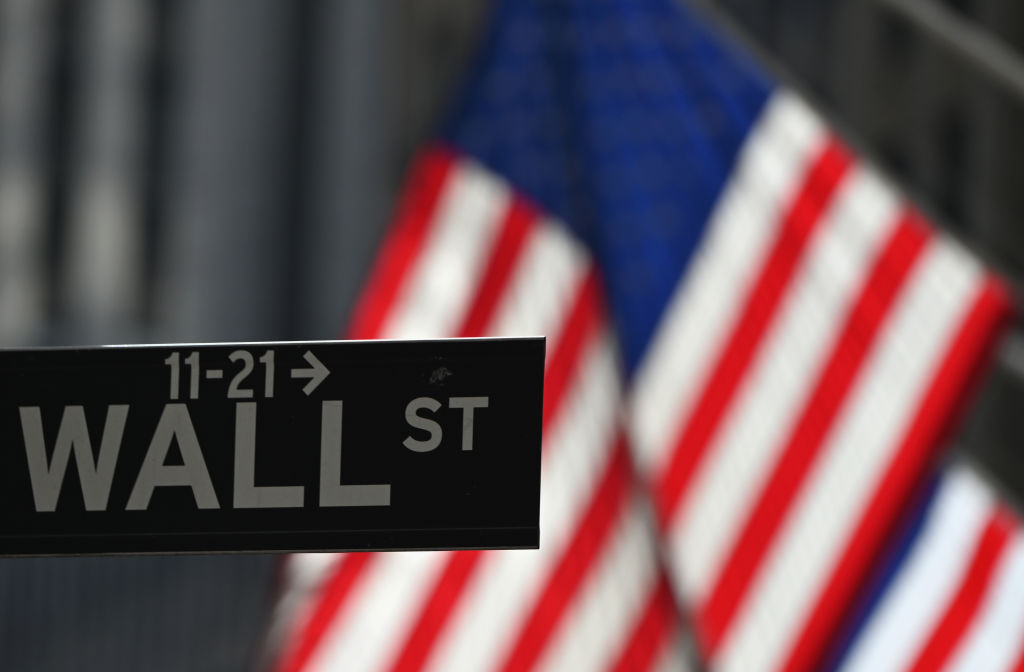
Photo: Angela Weiss/AFP, via Getty Images