In this study,1 researchers used waste plastics like soda bottles, candy boxes, and takeout containers to create nanoplastics in a lab setting. They then exposed these particles to heavy metals, including lead, cadmium, zinc, cobalt, and manganese, to see what would happen.
Similar Posts
Menopause Mood Swings: Why They Happen and What Helps
Home Blog > Menopause Mood Swings: Why They Happen and What Helps Table of Contents If…
This All-Too-Common Habit Is Making Your Anxiety Way Worse, Study Says
“Parents frequently do this, as they’re working and taking care of their kids, and, once the…
Struggling With Pain? How Can Physical Therapy Help You Find Relief?
Chronic pain can be a debilitating condition that affects millions of people worldwide. It impacts physical…
Collagen After 50: The Dosing Adjustment
Table of Contents Collagen needs shift meaningfully after age 50 due to the accelerated tissue decline…
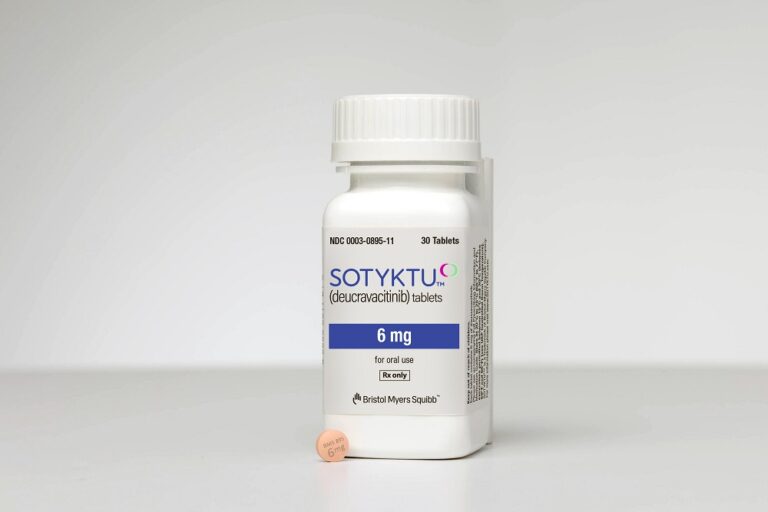
Immunology Drug Sotyktu Will Kick Off Bristol Myers Squibb’s New Direct-to-Patient Platform
Bristol Myers Squibb is following in the footsteps of some of its big pharma company peers…
Links – Healthcare Economist
Bird flu spreading in the US. Impact of banning alcohol sales. Optional legislation? Don’t ignore economists….