As the study’s lead author, Cara Palmer, Ph.D., explains in a news release, “This study represents the most comprehensive synthesis of experimental sleep and emotion research to date, and provides strong evidence that periods of extended wakefulness, shortened sleep duration, and nighttime awakenings adversely influence human emotional functioning.”
Similar Posts
How Liposomal NMN Is Changing The Face Of Anti-aging Supplements
In the pursuit of longevity and optimal health, the scientific community continually seeks innovative ways to…
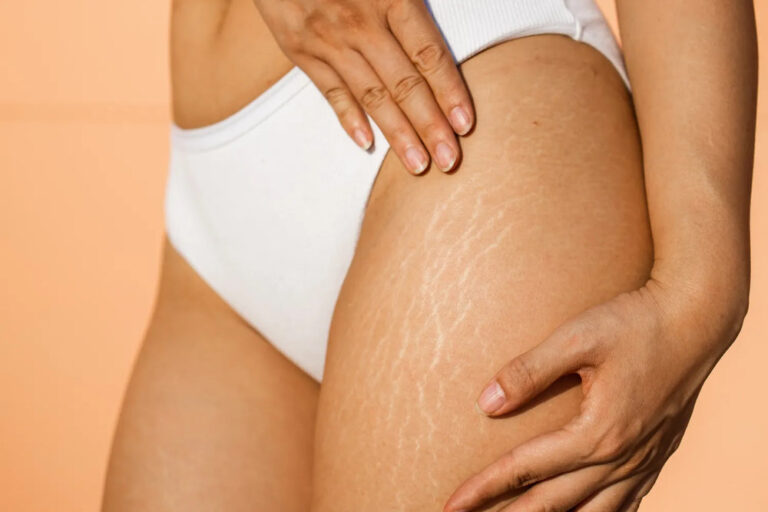
Cellulite vs. Stretch Marks: What’s the Difference?
October 22, 2023 Read moreThe Best Natural Skincare Products for Women Over 40 | Brenda Janschek…
Halsey Shares Her Lupus Diagnosis—Here’s What To Know About the Autoimmune Disease
Grammy-nominated singer and songwriter, Halsey, shared a big news update regarding her health—and her music—on Wednesday….
Daily Habits to Create More Calm at Home by Natalie Walton | Brenda Janschek Health & Lifestyle
If you’re feeling overwhelmed with life right now creating a calm home can really help Read…
There’s A Full Moon Headed Our Way & These Zodiac Signs Will Feel It The Most
The full Strawberry Moon for the month of June is right around the corner, and this…
Collagen Fiber Bar: The Portable Collagen Guide
Table of Contents The Chocolate Coconut Collagen Fiber Bar is the portable collagen delivery format in…