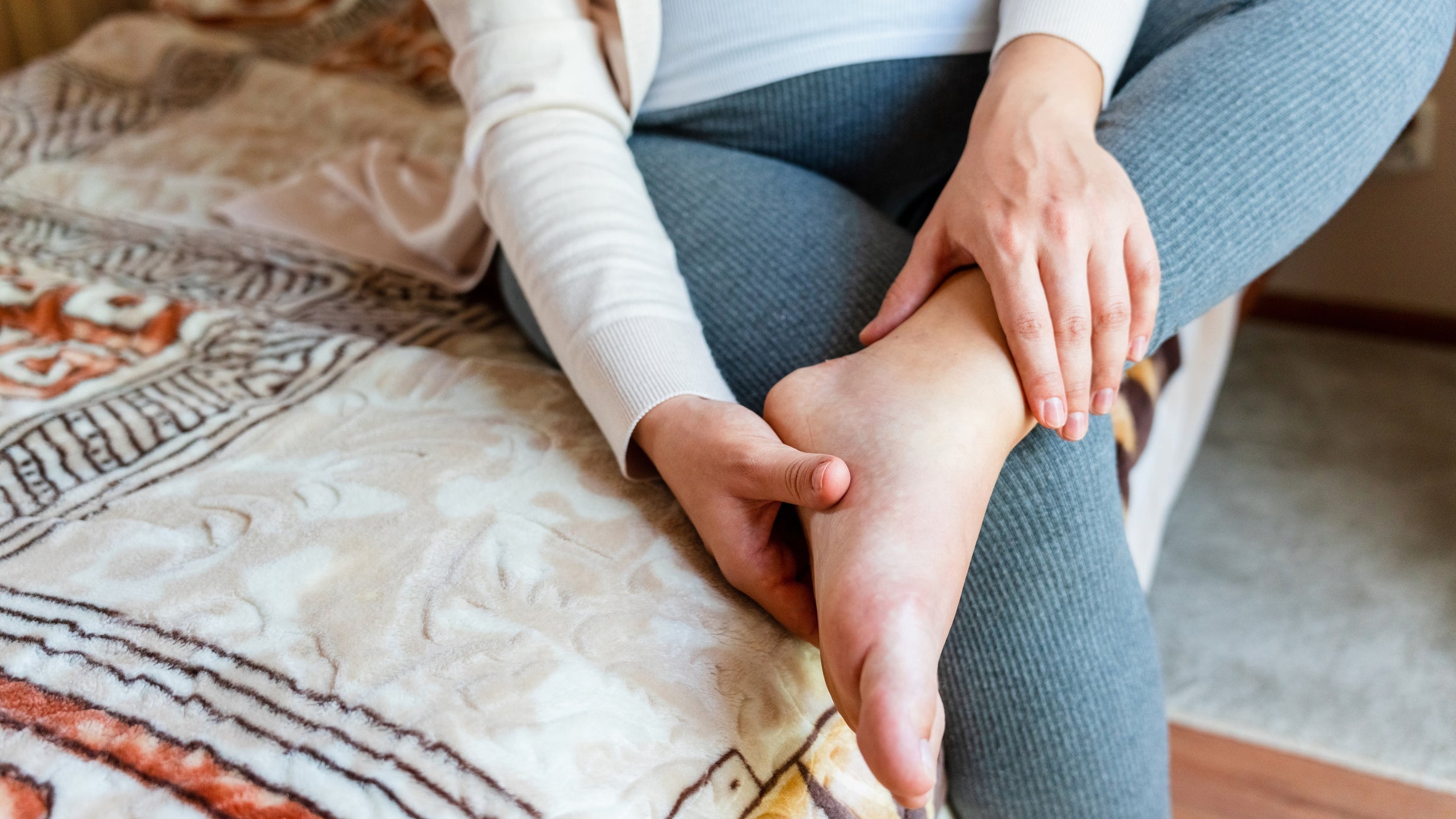
If your rings feel tight, your ankles look puffy by the end of the day, and your face seems fuller than it used to, you are likely experiencing one of the most common but least talked about symptoms of perimenopause and menopause. Water retention during this stage is real, it has hormonal roots, and there is more you can do about it than just cutting back on salt. Harmony Debloat Gummies were built with this exact picture in mind, and I will walk you through where they fit in.
Why Menopause Causes Water Retention
Estrogen and progesterone both play roles in how your body handles fluid balance. As these hormones shift through perimenopause and decline through menopause, your body’s fluid regulation can become less predictable. Some women hold on to water in the lower belly. Others notice it in their hands, feet, and face. For many, all of the above.
On top of hormonal changes, several other midlife factors contribute to fluid retention:
-
Slower digestion, which keeps fluid and food sitting in the system longer
-
Less efficient circulation, especially in the lower legs and ankles by end of day
-
Shifts in kidney fluid handling that come with age
The result is the puffiness in fingers, ankles, face, and belly that so many women in this stage describe.
Why Water Retention Often Looks Like Weight Gain
One of the most frustrating parts of menopausal water retention is that it can look almost identical to weight gain on the scale. You can hold on to anywhere from a few to several pounds of water at any given time, which can be incredibly demoralizing if you are doing all the right things and the number keeps moving up. I cover the connection between bloating and weight gain in detail in does-bloating-cause-weight-gain, and the short version is that water weight is not fat, and it responds to different daily habits than fat loss does.
What May Help with Menopausal Water Retention
Drink More Water, Not Less
I know this sounds counterintuitive, but staying well hydrated is one of the most reliable ways to reduce water retention. When you are dehydrated, your body holds on to fluid more aggressively. Consistent, adequate hydration signals to your body that water is plentiful and it can let go of what it has been storing.
Lean on Time-tested Herbs
Traditional herbs like dandelion have been used for centuries to support the body’s natural fluid balance. Dandelion is one of the gentlest natural diuretics, and unlike harsh pharmaceutical diuretics, it does not deplete potassium or other key minerals when used in moderate amounts. Apple cider vinegar and green tea may also support healthy fluid handling and gentle daily detox pathways.
Move Daily, Even Gently
Movement is one of the most overlooked tools for fluid balance. Walking, gentle yoga, and basic strength training all help your circulatory and lymphatic systems do their job of moving fluid through the body. You do not need an intense workout to make a difference. Daily, low-intensity movement is often the most sustainable approach for this stage.
Mind Your Sodium Balance, Not Just Your Sodium
Sodium gets blamed for water retention, but the bigger issue is the balance between sodium and potassium in your diet. Eating more potassium-rich whole foods (avocado, leafy greens, sweet potato, banana, white beans) shifts the balance and supports your body’s natural fluid handling. A real-food, protein-rich eating pattern that includes plenty of potassium-rich plants is exactly what I built my brand around. See my Bone Broth Diet resource page for the complete framework.
Where Harmony Debloat Gummies Come In
When I formulated Harmony Debloat Gummies, the Water Balance Proprietary Blend was central to the design. Each citrus punch gummy includes 150mg of a blend of apple cider vinegar, green tea, guarana, and dandelion, four time-honored ingredients chosen specifically for their long history of use in supporting healthy fluid balance. Pair that with 2 billion CFU of Lactospore probiotic and 3g of daily fiber, and you have a daily formula that addresses water retention, gut comfort, and regularity all at once. Most customers report feeling lighter and more comfortable within the first week of consistent use.
When to Check in with Your Healthcare Provider
If your water retention is sudden, severe, or accompanied by symptoms like shortness of breath, chest pain, or significant swelling in just one leg, please reach out to your provider promptly. While most menopausal water retention is benign and responsive to daily support, some cases warrant a closer look.
A Lighter Path Through This Transition
Water retention does not have to be the price of admission to this stage of life. With consistent daily support for your fluid balance, gut, and digestion, you can feel meaningfully lighter and more like yourself. Give your body what it needs, day after day, and trust the process.
Frequently Asked Questions
How much water weight can you gain during menopause?
Water weight fluctuations during menopause can range widely, from a couple of pounds to several pounds at any given time. The amount varies based on hormone levels, sodium and potassium balance, hydration, and daily habits. Daily support for fluid balance may help reduce both the intensity and frequency of these fluctuations.
Does drinking water help with menopause water retention?
Yes, surprisingly, drinking more water often reduces water retention rather than making it worse. When your body is well hydrated, it does not feel the need to hold on to fluid. Pair consistent hydration with herbs like dandelion and apple cider vinegar, which have traditionally been used to support healthy fluid balance.
Can Harmony Debloat Gummies help with water retention?
Harmony Debloat Gummies contain my Water Balance Proprietary Blend, which combines apple cider vinegar, green tea, guarana, and dandelion. These four ingredients have been traditionally used to support healthy fluid balance. Paired with a daily probiotic and 3g of fiber, Harmony Debloat Gummies are formulated to support the puffy, water-retention feel many women experience during this stage. Results may vary.
How long does menopausal water retention last?
Water retention can come and go throughout perimenopause and into menopause. Some women find it improves significantly once they reach postmenopause and hormones stabilize. Consistent daily support for fluid balance, gut health, and regularity may help reduce its intensity and frequency throughout the transition.