That’s the beauty of the archetypes—they aren’t set in stone, nor is there any kind of hierarchy. “They aren’t a steel box that we have to stay in,” says Childs. “They’re more like a street we’ve chosen to take, and at any time along the way, particularly with education and support, we’re likely to merge into a different lane and change up our coping patterns.”
Similar Posts
School Leaver Employment Support: Helping Young People Transition to Work
Leaving school marks a big milestone for every young person. It’s a time filled with excitement,…
Collagen for Weight Loss: How It Supports Your Goals
Home Blog > Collagen for Weight Loss: How It Supports Your Goals Table of Contents Collagen…
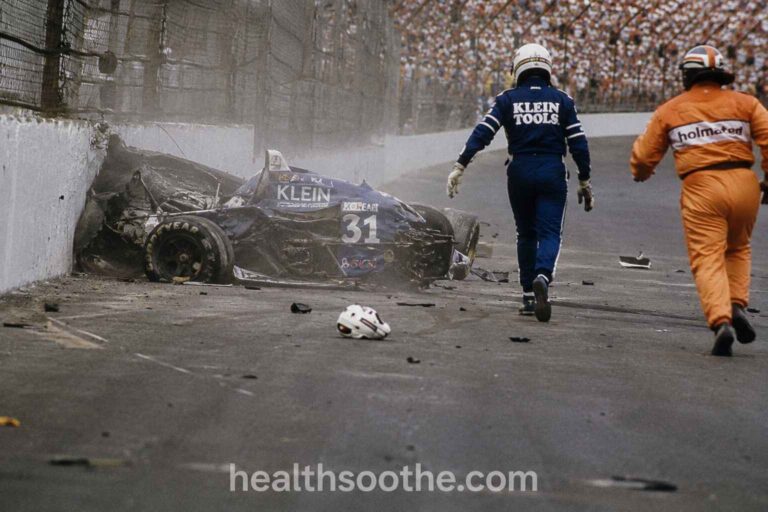
Gordon Smiley’s 1982 Indianapolis Crash: What It Taught Us About Racing Safety and Head Trauma Prevention
Medically Reviewed This article has been reviewed for clinical accuracy. On May 15, 1982, Gordon Smiley…
Why You’re Losing Hair After 40 (And What to Do About It)
Home Blog > Why You’re Losing Hair After 40 (And What to Do About It) Table…
AstraZeneca Expands Cardiovascular Disease Prospects, Paying $100M for Oral Way to Drug Lp(a) – MedCity News
While drugs are available that reduce levels of a lipoprotein (a), a protein associated with cardiovascular…
MedCity Pivot Podcast: Could This Device Make Managing Brain Health Easier?
Most people think of brain health in terms of MRI and CT scans, but QuantalX is…