For many people, walking into a dental practice feels like entering a foreign country where everyone speaks a language made of Latin roots and clinical jargon. You hear terms like ‘malocclusion’ or ‘periodontitis,’ and suddenly, a simple checkup feels overwhelming. However, the modern dental landscape is changing. Leading offices now prioritize health literacy, ensuring that every patient walks out with a clear understanding of what is happening inside their mouth and why it matters.
Table of Contents
The Mechanics of Outreach
Communication is the foundation of modern care, but that connection usually begins long before a patient ever meets the doctor. Behind the scenes, a comprehensive dentist office marketing campaign works to bridge the gap between complex clinical expertise and the local community’s needs. This involves a calculated effort in local SEO, for instance, to ensure the practice appears when people search for ‘transparent dental care’ or ‘family dentistry.’
By managing local citations, optimizing Google Business Profiles, and producing educational blog content, the marketing engine ensures that the office’s message of clarity reaches the right audience. This digital groundwork transforms a cold, technical service into an accessible resource, proving that clinical excellence means very little if the patient cannot find or understand the provider in the first place.
The Role of Visualization
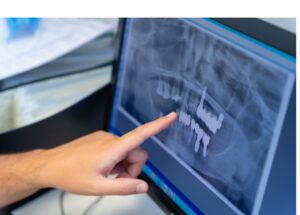
Have you ever stared at an old-fashioned film X-ray and tried to see the tiny spot the doctor was pointing at? It is nearly impossible for the untrained eye. This is where digital X-rays have revolutionized the experience. These high-resolution images appear instantly on a chairside monitor. When you can see a fracture or a cavity magnified ten times on a screen, the diagnosis becomes undeniable and easy to grasp.
Some practices go even further by utilizing 3D imaging. This gives a panoramic, three-dimensional view of your entire facial structure. If you are discussing restorative dentistry, such as an implant, seeing a 3D model of your jawbone helps you understand the spatial requirements of the procedure. It turns a complex surgical concept into a visual story, making it much easier to consent to a treatment plan because you have actually seen the underlying architecture of your smile.
What to Expect During Your First Visit
The first step toward a healthier mouth shouldn’t feel like a high-stakes interrogation. During an initial screening, the focus is primarily on gathering data and listening to your concerns. Your dentist is establishing a baseline for your oral health. This phase is educational by design.
As the hygienist and dentist move through the exam, they often explain their findings in real-time. They might point out areas where gum disease could be starting due to plaque buildup, showing you exactly where to angle your toothbrush. By the time they finish, you will receive a personalized map of your dental needs. This collaborative approach ensures that by the time you leave, you understand how your daily habits directly impact the longevity of your teeth.
Making Advanced Procedures Approachable
When we talk about ‘major’ dental work, anxiety often stems from a lack of information. Take root canals, for instance. The very name often triggers fear, but a modern office explains that the procedure is actually about removing pain, not causing it. They might describe the process as cleaning out a tiny, infected tunnel inside the tooth to save the natural structure.
The same applies to more routine or aesthetic choices. If a patient asks about teeth whitening, the staff won’t just hand over a tray; they explain how oxygen molecules from the gel interact with the discolored molecules in the enamel. Whether you are getting regular fillings or undergoing a full smile makeover, the goal is the same: to ensure you know the risks, the benefits, and the steps involved.
Convenience and Technology
Why does it always feel like a tooth starts aching on a Friday afternoon? A patient-centric office understands that emergency needs don’t follow a 9-to-5 schedule. To make care more accessible, many practices now offer same-day appointments for urgent issues. This flexibility is a vital part of modern dental technology, which has streamlined everything from scheduling to the actual procedures.
The integration of smart software allows patients to schedule an appointment online without the back-and-forth of multiple phone calls. Once you arrive, the efficiency continues. New tools have made even the most dreaded parts of the visit, like messy putty impressions, a thing of the past, replaced by clean, fast digital scanners.
Looking Ahead
A visit to the dentist should never feel like a test you didn’t study for. The best offices today realize that their most important tool isn’t a drill or a laser; it is their ability to communicate. By leveraging visual technology, simplified language, and a commitment to transparency, they turn clinical procedures into understandable health milestones.
When you understand the status of your teeth and the logic behind your care, you are far more likely to stay proactive. Ultimately, making dental care easier to understand is about empowering you to take control of your own wellbeing, one clear explanation at a time.