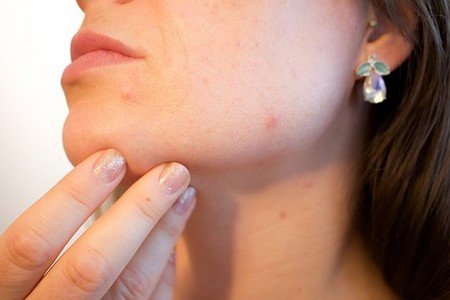
One of the most common and dreaded skin problems is acne. Scientifically, it is named as acne vulgaris. Acne is the breakout on the surface of the skin due to the clogging of oil produced by hair follicles (also called sebum) under the skin. The acne generally pops up on the parts where oil glands are excessive. Those parts are the face, neck, back, chest, and shoulders. Both girls and boys experience these skin problems but to varying degrees. However, acne treatment remains a problem for many suffering from this skin issue.
Main Reasons for Acne
Acne happens because of hormonal changes and/ or excessive secretion of oil from oil glands. It happens to everybody, and generally, it occurs when a person attains adolescence.
Hormonal Changes
During the times of teens or pre-teens of either gender, the body goes through hormonal fluctuations. These fluctuations cause excessive production of oil under the skin and its outburst, commonly called pimples, blackheads, or whiteheads.
Dead Skin Cells
A major culprit behind persistent breakouts is the accumulation of dead skin cells on the surface of your skin. When these cells aren’t shed efficiently, they become trapped inside your follicles, mixing with natural oils to create clogged pores. For those with acne-prone skin, this buildup acts as a primary acne trigger, making it much harder for your skin to breathe and stay clear without the right exfoliation routine.
Bacteria causes Acne
Bacteria are yet another reason for the aggravation of acne. When the bacteria attack the already clogged pores, the affected areas become infected or inflamed, causing cyst-like bumps to form under the skin’s surface.
Food Habits
Your dietary choices are often reflected on your face, as high-glycemic foods can trigger internal inflammation. When we frequently consume sugary snacks or refined carbs, our blood sugar levels soar, signaling the body to produce more sebum. Understanding how your unique food sensitivities contribute to breakouts is a vital first step in managing hormonal acne effectively.
Other Factors Causing Acne
Beyond the most common triggers, several smaller factors can influence your skin’s health. Understanding these contributors is essential because they often dictate how your skin responds to different treatments:
- Genetics and Hereditary Traits If your parents struggled with breakouts, you may be genetically predisposed to acne-prone skin as well. This happens because your DNA determines how effectively your pores shed cells and how your body reacts to inflammation.
- Specific Medications Certain drugs, such as those containing corticosteroids or lithium, can interfere with your body’s chemistry and trigger sudden flare-ups. Consequently, it is important to monitor your skin’s reaction whenever starting a new prescription.
- Comedogenic Cosmetics Many makeup products contain heavy oils that physically block the skin’s surface, yet users often mistake this for a natural breakout. Therefore, switching to oil-free or non-comedogenic formulas is crucial for preventing “cosmetic acne.”
- Nutritional Deficiencies A lack of essential vitamins like Vitamin A or Zinc can weaken the skin’s natural defense barrier. Since your skin requires these nutrients to repair itself, a deficiency can make your acne symptoms linger much longer.
- High Stress Levels Chronic stress causes the body to overproduce cortisol, which subsequently signals your glands to create more oil. While stress doesn’t directly “cause” acne, it significantly aggravates existing inflammation and slows down the healing process.
Does Dirt Causes Acne?
It is a myth that dirt causes acne. Pores get blocked under the skin resulting in acne formation. Dirt is not responsible. But when acne is touched with fingertips that contain germs, the problem may worsen. Conversely, exposure to oily creams and lotions or areas like the kitchen, where the skin comes in contact with oil, the existing acne-prone skin may become worse.
Acne Prevention tips to follow:
1. Gently wash the affected area with water twice a day only.
2. Avoid chocolates, pickles, processed foods, and oily foods.
3. Drink plenty of water to cleanse the body.
4. Use cosmetics that are water-based and oil-free and remove makeup before going to bed.
5. Avoid overexposure to the sun.
6. Wear breathable clothes like cotton to avoid the breeding of bacteria.
Acne Treatment that you need to try
If you are wondering how to choose the right acne treatment remedies and products for you, then read further.
Identifying your unique acne triggers is the most important step because effective acne treatment is never “one size fits all.” Since breakouts can stem from anything from dead skin cells to hormonal shifts, your recovery plan must address the root cause to be truly successful.
There are various kinds of acne treatments such as home remedies, natural cures, and specialized herbal products. By matching the right solution to your specific skin needs, you can clear existing blemishes while preventing future ones from forming.
Home Remedies for Acne Treatment
Home remedies for mild/ moderate acne are quite effective. The point to remember here is that the result can vary from person to person.
1. Wash your face gently and apply a mixture of lime juice and rose water in
(1:1) the ratio for 25-30 minutes. Then wash it off and pat dry. Repeat it every night.
2. Mix a pinch of turmeric powder in one tablespoon of coriander juice and
apply it on the washed face every night. The remedy is effective for blackheads and pimples.
3. Mix orange peel with water, apply on the affected areas, and wash it off
after 15 minutes.
Where can I buy Acne Treatment Products?
Looking for effective acne treatment products, then visit this website for skin health and acne cure products for you –

Another way is to visit top-rated acne treatment clinics and get diagnosed by trusted specialists for the right treatment for your acne-prone skin.
FAQs for Acne Treatment
Is the acne problem more prone to teenagers than anyone else?
Well, when teenagers attain the period of adolescence (age group of 16-18 years), their body goes through several hormonal changes as a result of which there is a rise of acne on the face.
Are the above-mentioned home remedies/products for acne treatment suitable for teenage boys?
Yes, the remedies and products for acne treatment available here can be used by any teenager, irrespective of gender. However, certain brands make different acne products for men and women, and in that case, you need to buy them according to gender for better results.
Are the home remedies effective on acne related to periods?
Acne that occurs before or during periods is temporary and usually goes away when periods are over. Home remedies for acne are effective on any type of acne and can reduce visibility over time.
How much water should women drink in order to clear toxins from the body?
Women should drink 3 liters of water to stay well hydrated, in order to flush out the toxins from the body you can drink an extra half-liter of water.
Can I use dried orange peel powder instead of fresh orange peel?
Yes, you can use dried orange peel powder as a substitute for fresh orange peel.
How to check whether cosmetics are oil-based or water-based?
You need to check the ingredients in the cosmetic to check whether it is oil-based or water-based. However, you need to be smart enough to check the ingredients, as water is the base ingredient of any liquid/semi-liquid-based cosmetics. Most of the cosmetics are usually silicon-based and have ingredients like Cyclopentasiloxane, Cyclopentasiloxane, dimethicone, phenyl Trimethicone, etc. While water-based cosmetics do not have any such ingredients (they may have dimethicone, but in very less quantity)
How many days should I use the home remedies mentioned above?
Use any one of the remedies every day until you get the expected results.
Related Post: