
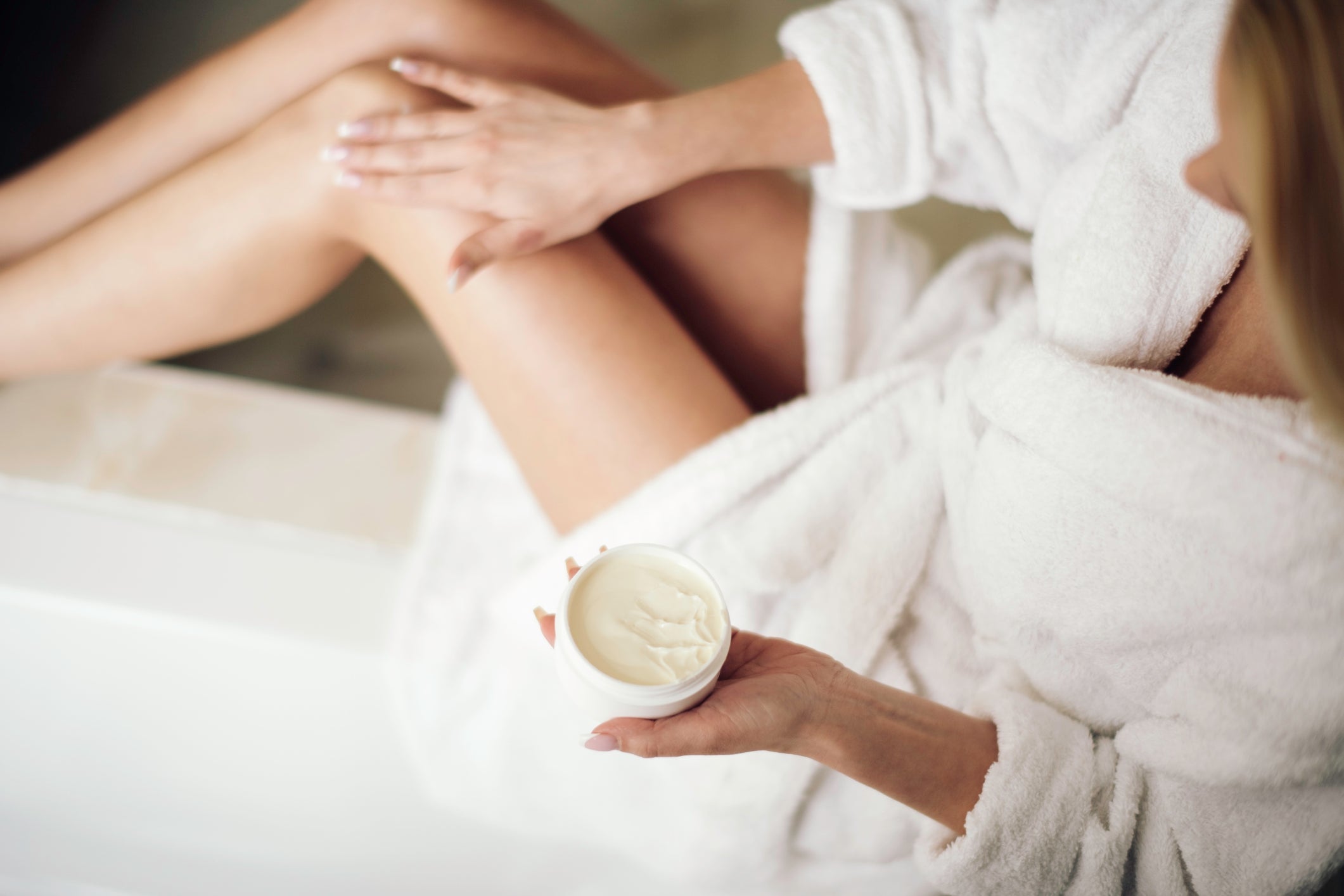
I have spent over two decades in clinical practice watching fads come and go. Bone broth, which I championed long before it became a grocery store staple, was once considered fringe. Now it is mainstream. Beef tallow for skin is at exactly the same inflection point right now, and I want to make sure you understand what is actually happening here — the biology, the benefits, and the honest limitations.
The short version: for the right skin type, beef tallow may be one of the most compatible, nutrient-rich moisturizing ingredients available. That is the premise behind my Whipped Tallow Cream — a formula I designed to combine ancestral fat wisdom with the modern skin science that plain tallow cannot deliver on its own. Let me walk you through the full story.
Why the Skin-Tallow Connection Is Biologically Interesting
Your skin produces its own natural oil called sebum. Sebum is the reason your skin stays hydrated, pliable, and protected — it creates a barrier that holds moisture in and keeps environmental stressors out. The problem is that sebum production decreases with age, cold weather, harsh cleansers, and certain medications. When your skin runs low on sebum, it gets dry, tight, rough, and reactive.
Here is what makes tallow unusual among moisturizing ingredients: its fatty acid profile is remarkably similar to human sebum. Both are primarily composed of oleic, palmitic, and stearic acids. That structural similarity means tallow does not just sit on top of the skin the way many plant oils do — it absorbs readily because the skin already knows how to work with those fatty acids.
The Nutrients in Grass-Fed Tallow
Not all the benefits of tallow come from its fat profile alone. Grass-fed tallow is naturally rich in fat-soluble vitamins that are directly relevant to skin health:
-
Vitamin A: supports cell turnover, which is relevant to skin texture and the appearance of fine lines over time
-
Vitamin D: plays a role in skin barrier function and may support immunity at the skin level
-
Vitamin E: a fat-soluble antioxidant that may help protect skin cells from oxidative stress
-
Vitamin K: may support even skin tone and help reduce the appearance of dark under-eye areas
-
Vitamin B12: relevant to overall skin health, particularly for people who do not get adequate B12 through diet
-
Conjugated linoleic acid (CLA): an anti-inflammatory fatty acid found in higher concentrations in grass-fed sources, which may be particularly beneficial for sensitive and reactive skin
These vitamins are fat-soluble, meaning they are carried directly into the skin within the fat itself — a delivery mechanism that is genuinely efficient.
What Plain Tallow Cannot Do — and What My Formula Adds
Here is the honest part that a lot of tallow advocates skip over. Tallow is a fat, and fats are occlusives — they form a barrier and reduce moisture loss. But they are not humectants, which means they do not attract or bind water. If your skin is already depleted of moisture, an occlusive fat alone seals in dryness rather than correcting it.
This is why I chose to formulate rather than simply jar up tallow and call it skincare. My Whipped Tallow Cream pairs the grass-fed tallow base with hyaluronic acid — one of the most effective water-attracting ingredients in modern skincare — and ceramides, which are the lipids that make up the skin’s own protective barrier. Together, the three work synergistically: tallow provides fat-soluble nutrients and occlusion, hyaluronic acid draws in water, and ceramides lock the whole thing in place.
Who Beef Tallow Skin Care Is Best For
Not every skin type will benefit equally from tallow-based moisturizers, and I want to be clear about this rather than oversell it.
Tallow is an excellent fit for dry skin, normal-to-dry skin, sensitive skin that reacts to synthetic ingredients, mature skin that has lost natural oil production, and skin that feels chronically tight, rough, or irritated despite regular moisturizing. These are the people who are most likely to notice a meaningful difference.
Tallow is not the ideal choice for acne-prone or oily skin. As a rich saturated fat, it can be comedogenic — meaning it may clog pores — in skin types that already produce excess sebum. If you have combination skin, consider using it only on your dry zones rather than all over.
The Formulation Difference: Whipped vs. Balm
Traditional tallow skincare products are often sold as dense balms or solid sticks that feel heavy and can leave a greasy residue — which is a legitimate reason some people have avoided them. My formulation takes a different approach. The whipped texture is lighter, applies more easily, and absorbs without the heavy feel that puts people off. That was intentional — I wanted a product people would actually use every day, not something that felt like a clinical experiment.
The Inside-Out Dimension
Topical skincare is only one part of the equation. I have always believed that what you put in your body shows up in your skin at least as much as what you put on it. Collagen production starts from within, and if you want to understand how dietary collagen supports skin structure and elasticity, my breakdown of the benefits of collagen covers the full picture.
Similarly, the connection between inflammation and skin quality is real. Chronic low-grade inflammation accelerates skin aging, depletes collagen, and disrupts barrier function. The anti-aging foods I recommend in my practice address that from the inside while tallow addresses it from the outside — and the combination is more powerful than either approach alone.
How to Use It
Apply a small amount to clean, dry skin morning and night. A little goes a long way — this is not a product you scoop out by the handful. Massage it in gently. If you are using it in the morning, follow with SPF. At night, it can be the last step in your routine.
Target dry spots first: around the nose, cheeks, elbows, hands, and knuckles respond especially well. For the face, start with a pea-sized amount and adjust from there.
The Bottom Line
Beef tallow for skin works because it was working long before the beauty industry decided to replace it with synthetic alternatives. The biology supports it. The history supports it. And with the right modern additions — hyaluronic acid, ceramides, grass-fed sourcing — it forms the basis of a genuinely effective daily moisturizer. If you have been searching for something that finally addresses dry, sensitive, or aging skin in a way that conventional products have not, Whipped Tallow Cream is where I would start.