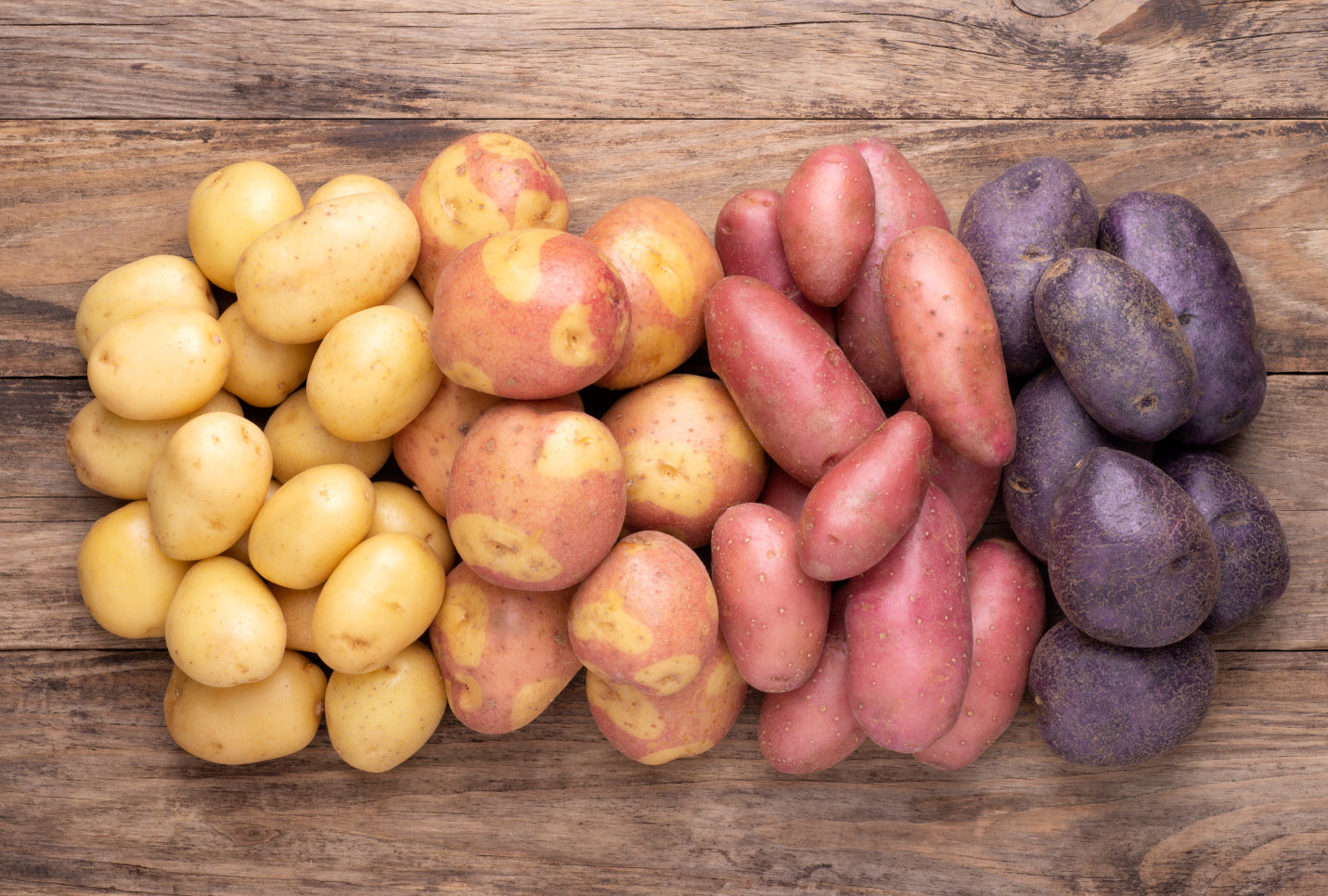
The honest answer is that traditional paleo eating excludes white potatoes because they are classified as nightshade vegetables that were not part of ancestral human diets before agriculture. Modern paleo interpretations have relaxed on this and typically include sweet potatoes (which are not actually potatoes botanically) and sometimes white potatoes in moderation. Whether potatoes fit into your specific paleo approach depends on which interpretation you follow and how your body responds to nightshades. For anyone following my Bone Broth Diet framework, white potatoes are excluded during the initial 21 days along with other starchy vegetables, and sweet potatoes are typically reintroduced first during the reintroduction phase.
After two decades of clinical practice, my approach to potatoes lands in a practical middle ground. Sweet potatoes are meaningfully more nutrient-dense than white potatoes and fit well into moderate low-carb and paleo approaches. White potatoes are neither uniquely harmful nor essential for anyone, and reasonable people can include them in modest portions or exclude them based on personal response. Let me walk you through the specific considerations.
Why Traditional Paleo Excludes Potatoes
Traditional paleo eating (as popularized by Loren Cordain and Robb Wolf in the early paleo movement) excludes white potatoes for two main reasons. First, white potatoes are nightshades, a plant family that includes tomatoes, peppers, and eggplants. Nightshades contain compounds called glycoalkaloids that can be irritating for some people, particularly those with autoimmune conditions or joint issues.
Second, potatoes as a modern staple food emerged only after the agricultural revolution and specifically after Spanish exploration of the Americas. Under a strict evolutionary paleo interpretation, this makes potatoes a post-Paleolithic food that would not have been available to ancestral hunter-gatherer diets outside of specific regions.
Why Modern Paleo Has Softened
The modern paleo interpretation (as articulated by Chris Kresser, Mark Sisson, and others) has generally softened on potatoes, particularly on sweet potatoes and white potatoes prepared traditionally. Several arguments support inclusion. Nightshade sensitivity is not universal, and many people tolerate potatoes without issue. Sweet potatoes are not nightshades and do not carry the same concerns. Modern paleo emphasizes eliminating processed foods, industrial seed oils, and refined sugars more than adhering to strict evolutionary food category rules.
The Cleveland Clinic has covered nightshade sensitivity in the context of autoimmune conditions and inflammatory arthritis, noting that individual response varies meaningfully. For women without specific sensitivity, moderate potato consumption is generally not problematic.
Sweet Potatoes vs White Potatoes
Sweet potatoes and white potatoes are botanically unrelated despite sharing part of the name. Sweet potatoes belong to the Convolvulaceae family (morning glory relatives); white potatoes belong to the Solanaceae family (nightshades). Sweet potatoes contain no nightshade compounds and are generally accepted across all versions of paleo, from strict to liberal.
Sweet potatoes also carry a meaningfully denser nutrient profile than white potatoes: substantially more beta-carotene (which converts to vitamin A), more vitamin C, more manganese, and more fiber per calorie. For anyone including starchy vegetables in daily eating, sweet potatoes are typically the more nutrient-dense choice. My post on are sweet potatoes keto covers the specific carb comparisons in more depth.
Potatoes in the Bone Broth Diet Framework
My Bone Broth Diet framework excludes both sweet potatoes and white potatoes during the initial 21-day phase along with other starchy vegetables. This creates the metabolic reset that produces the fastest weight loss and inflammation improvement. During the reintroduction phase after the 21 days, sweet potatoes are typically among the first moderate-carb foods reintroduced because they are nutrient-dense and generally well tolerated.
White potatoes fit less cleanly into ongoing daily eating patterns because of the nightshade concern for some women and because they tend to be consumed as fries, chips, or with heavy toppings that undermine the metabolic goals. Modest portions of properly prepared white potatoes (roasted with olive oil and salt, or as a small side to a protein-focused meal) can fit into maintenance eating for women without nightshade sensitivity.
The Nightshade Sensitivity Question
Nightshade sensitivity affects a subset of women, particularly those with rheumatoid arthritis, other autoimmune conditions, or chronic joint inflammation. Symptoms of nightshade sensitivity typically include joint pain or stiffness, digestive discomfort, skin issues, and general inflammatory markers. The Harvard T.H. Chan School of Public Health Nutrition Source has covered inflammatory nutrition considerations in the broader context of anti-inflammatory eating.
For women who suspect nightshade sensitivity, a structured elimination approach is the practical way to know. Remove all nightshades (white potatoes, tomatoes, eggplants, all peppers) for 3 to 4 weeks. Note any changes in joint comfort, digestion, and skin. Then reintroduce one nightshade at a time and observe reactions. Many women without sensitivity can include all nightshades without issue. Women with sensitivity often notice clear improvement during elimination and clear worsening on reintroduction.
Preparation Matters
How you prepare potatoes affects both nutritional impact and paleo compatibility. Roasted potatoes with olive oil and salt fit into paleo eating for those who include them. French fries cooked in industrial seed oils undermine both paleo principles (seed oils are excluded) and metabolic health. Potato chips are ultra-processed and typically contain industrial seed oils along with added sugars and preservatives.
Simple whole-food preparations (roasted, baked, mashed with grass-fed butter) are the paleo-compatible approaches. Skip preparations that add substantial industrial oil, sugar, or heavy processing.
The Cooling Question
One interesting nutritional distinction: potatoes that are cooked, cooled, and then reheated (or eaten cold) develop resistant starch, which behaves more like fiber than sugar in the digestive system. This means cooked and cooled potatoes have a lower effective carbohydrate impact than freshly cooked hot potatoes. Cold potato salad, refried leftover potatoes, and similar preparations may fit into paleo eating patterns better than freshly cooked hot potatoes for women focused on blood sugar management.
Pairing With Protein and Bone Broth
When potatoes are included in a meal, pairing with quality protein and healthy fat slows the blood sugar impact and improves satiety. A small portion of roasted sweet potato alongside a fatty protein and non-starchy vegetables works meaningfully better than a large portion of potatoes with lean protein. A warm cup of Bone Broth Classic Chicken with the meal adds protein, amino acids, and satiety. The full Bone Broth collection supports the daily practice that makes any eating framework more sustainable.
The Practical Answer
Sweet potatoes fit into paleo eating across nearly all interpretations and are meaningfully more nutrient-dense than white potatoes. White potatoes are excluded from traditional paleo but included in modern liberal paleo interpretations in modest portions with proper preparation. For anyone with nightshade sensitivity, white potatoes should be avoided; for anyone without sensitivity, modest portions fit into maintenance eating. The Bone Broth Diet framework excludes both during the initial 21-day phase and reintroduces sweet potatoes first, with white potatoes as a later individual reintroduction based on personal response.
Frequently Asked Questions
Are potatoes paleo?
Traditional paleo excludes white potatoes because they are nightshades that emerged as staple foods only after the agricultural revolution. Modern paleo interpretations often include both sweet potatoes and white potatoes in moderation with proper preparation. Sweet potatoes are almost universally accepted across paleo interpretations and are more nutrient-dense than white potatoes. Individual response to nightshades varies, so personal experimentation matters.
Can you eat sweet potatoes on paleo?
Yes, sweet potatoes are widely accepted across nearly all paleo interpretations and are one of the more nutrient-dense starchy vegetables. Sweet potatoes are botanically unrelated to white potatoes and do not contain the nightshade compounds that some paleo practitioners avoid. They provide substantial beta-carotene, vitamin C, potassium, and fiber alongside their moderate carbohydrate content.
Why are potatoes not paleo?
Traditional paleo excludes white potatoes for two reasons. First, they are nightshade vegetables that contain compounds called glycoalkaloids that can be irritating for some people, particularly those with autoimmune conditions. Second, potatoes emerged as staple foods only after the agricultural revolution and specifically after Spanish exploration of the Americas, making them a post-Paleolithic food under strict evolutionary interpretations. Modern paleo has generally softened on these restrictions.
How many potatoes can you eat on paleo?
For women who include potatoes in their paleo approach, modest portions (a quarter to half cup of cooked potato as a side dish) alongside quality protein and vegetables fit into maintenance eating. Larger portions push the carbohydrate load higher than most paleo practitioners target. Sweet potatoes are typically preferred over white potatoes for nutrient density. Individual response varies, and women with nightshade sensitivity should avoid white potatoes entirely.