Traditional paleo eating excludes all grains including rice because grains were not part of ancestral human diets before agriculture emerged roughly 10,000 years ago. Modern paleo interpretations have softened on this and sometimes include white rice specifically as what practitioners call a safe starch, since white rice is one of the least allergenic and least inflammatory of the grains. Whether rice fits into your specific paleo approach depends on which interpretation you follow. For anyone following my Bone Broth Diet framework, all grains including rice are excluded during the initial 21 days, and rice can be reintroduced during the reintroduction phase for those who choose to include it in ongoing eating.
After two decades of clinical practice, my honest observation is that many women following paleo or moderate low-carb eating do fine with modest portions of white rice, particularly as an occasional side rather than a daily staple. Brown rice creates more issues for many women (phytates, digestive irritation) than the more processed white rice does. Let me walk you through the specific considerations and the practical guidance.
Why Traditional Paleo Excludes All Rice
Traditional paleo excludes all grains for several reasons rooted in evolutionary reasoning. Grains as staple foods emerged only after the agricultural revolution, making them a post-Paleolithic food category under strict evolutionary interpretations. Grains contain compounds (lectins, phytates, gluten in wheat and related grains) that some people digest poorly and that can contribute to intestinal permeability and inflammation. Grain-based diets historically correlated with reductions in stature and dental health in early agricultural populations.
Under strict paleo interpretation, all grains including rice, wheat, corn, oats, barley, rye, quinoa (technically a seed but treated as a grain culturally), and buckwheat are eliminated. This produces the metabolic reset that many women find useful, though it requires more meal planning than eating patterns that include grains.
Why White Rice Gets Special Treatment
Within modern paleo, white rice has developed a somewhat special status as what practitioners call a safe starch. Several factors distinguish white rice from other grains. White rice contains essentially no gluten, unlike wheat, barley, and rye. The processing that removes the bran and germ from white rice also removes most of the phytates and lectins that concern paleo practitioners in whole grains. White rice is one of the most easily digestible carbohydrate sources and is typically well tolerated even by people with sensitive digestion.
The Cleveland Clinic has covered rice generally in the context of dietary carbohydrates. Chris Kresser, Mark Sisson, and other modern paleo authors have argued for the inclusion of white rice specifically as a reasonable safe starch for people who tolerate it.
White Rice vs Brown Rice
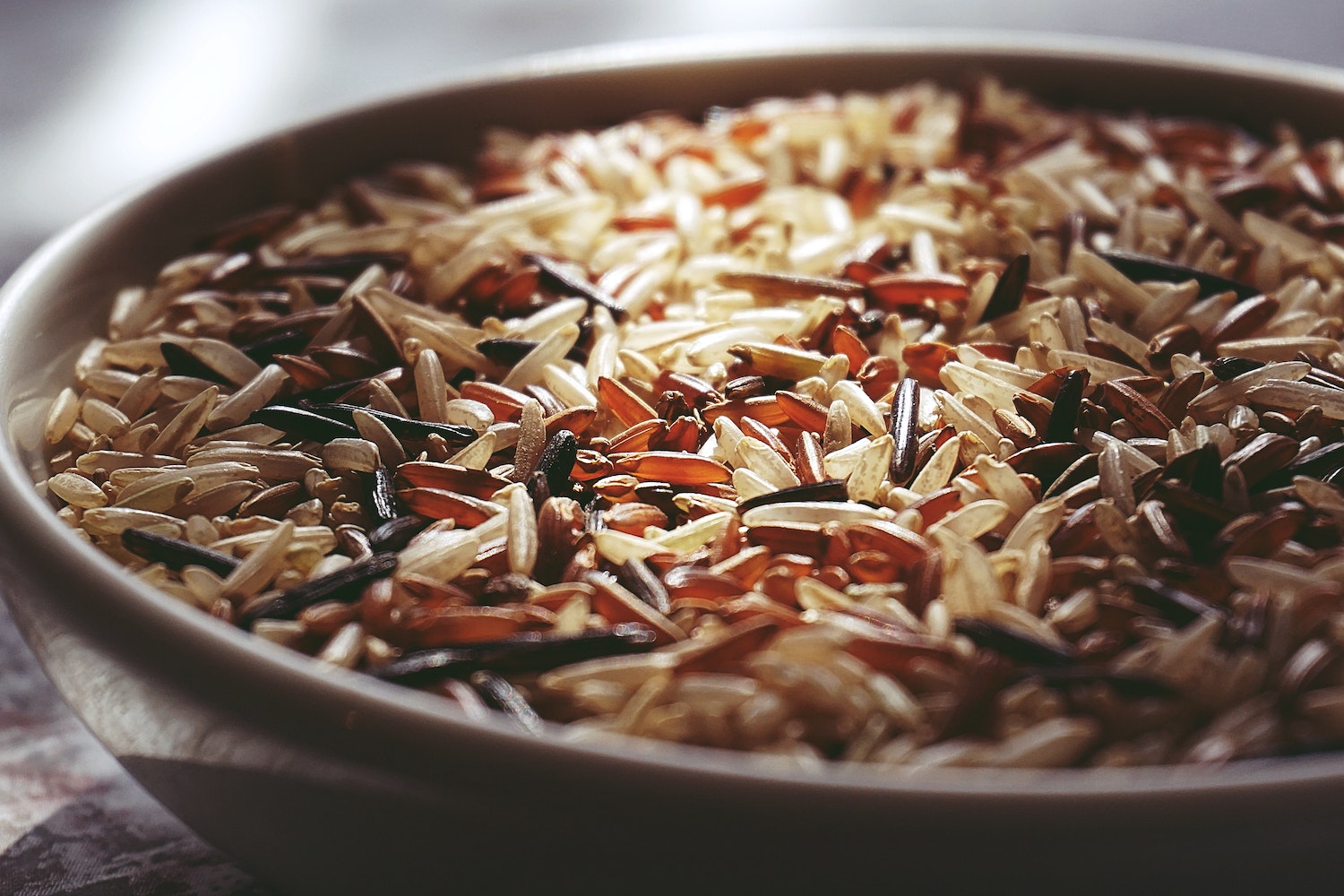
Counterintuitively, white rice is often better tolerated than brown rice for people concerned about grain compounds. Brown rice retains the bran and germ, which contain the phytates, lectins, and fiber that create digestive issues for some. White rice is essentially just the starchy endosperm, delivering carbohydrate energy without the compounds that concern paleo practitioners.
The trade-off is that brown rice contains more B vitamins, magnesium, and fiber than white rice. For women who tolerate brown rice well, it may be the more nutrient-dense choice. For women with digestive sensitivity or specific concerns about grain compounds, white rice is often the more compatible option.
Rice in the Bone Broth Diet Framework
My Bone Broth Diet framework excludes all grains including rice during the initial 21-day phase. This creates the metabolic reset and food-sensitivity clarity that produces the fastest weight loss and identifies individual food reactions. During the reintroduction phase after the 21 days, rice can be reintroduced as part of testing grain tolerance. Many women I have worked with find that modest portions of white rice work well in ongoing eating while other grains (particularly gluten-containing grains and corn products) produce clearer reactions.
Portion Considerations
For anyone including rice in their eating pattern, portion size matters meaningfully. A cup of cooked white rice contains around 45 grams of carbohydrates. This is a substantial carbohydrate load that fits into a paleo maintenance approach or moderate low-carb eating in modest portions (a quarter to half cup as a side to a protein-focused meal) but not in large portions.
Traditional Asian and Latin American eating patterns typically include rice as a modest side to protein and vegetable-focused meals rather than as the central caloric anchor. This pattern (small portion of rice with generous protein, vegetables, and fat) fits into modern paleo interpretations for those who include rice, and produces meaningfully better metabolic outcomes than eating patterns that build meals around large rice portions.
The Resistant Starch Consideration
Rice that is cooked, cooled, and then reheated (or eaten cold in dishes like sushi or cold rice salads) develops resistant starch, which behaves more like fiber than sugar in the digestive system. This means cold or reheated rice has a lower effective carbohydrate impact and glycemic response than freshly cooked hot rice.
For women including rice in paleo eating who want to minimize the metabolic impact, preparing rice ahead and eating it cold or reheated is a practical strategy. A small portion of cold rice as part of a Buddha bowl or grain bowl with generous vegetables and protein is a different metabolic experience than a hot bowl of freshly cooked rice.
Rice Alternatives That Fit Strict Paleo
For anyone following strict paleo who wants a rice-like function in meals, several alternatives work well. Cauliflower rice (finely chopped or grated cauliflower) provides similar texture and function with only 3 to 5 grams of net carbs per cup. Broccoli rice offers similar function with a slightly different flavor profile. Shirataki rice (made from konjac root) provides essentially zero-carb rice-like texture, though the flavor is more neutral than actual rice.
These alternatives work particularly well as the base for stir-fries, curries, and grain-bowl style meals for those following strict paleo without rice.
The [Harvard Nutrition Source Perspective](https://www.hsph.harvard.edu/nutritionsource/) on Grains
Beyond the paleo framing specifically, the Harvard T.H. Chan School of Public Health Nutrition Source has covered dietary carbohydrate quality generally. The general consensus from nutrition research is that whole-food carbohydrate sources tend to produce better metabolic outcomes than refined carbohydrates, though individual variation matters and no single carbohydrate is universally beneficial or harmful. For women deciding whether to include rice in ongoing eating, personal metabolic response and digestive tolerance often matter more than category-level rules.
Pairing With Protein, Fat, and Bone Broth
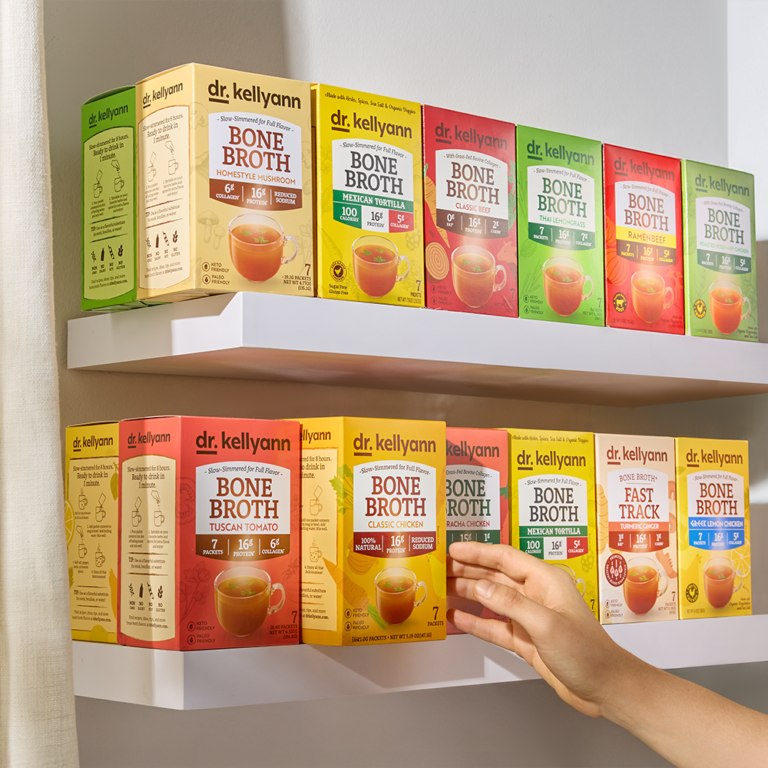
When rice is included in a meal, pairing with adequate quality protein, healthy fat, and non-starchy vegetables slows the blood sugar impact and improves satiety. A small portion of rice alongside fatty grass-fed beef, generous sautéed vegetables, and a warm cup of Bone Broth Classic Chicken delivers meaningfully better metabolic outcomes than eating rice alone or with only lean protein. The full Bone Broth collection supports the daily practice that makes any eating framework more sustainable.
The Practical Answer
Traditional paleo excludes all grains including rice. Modern paleo interpretations often include modest portions of white rice as a well-tolerated safe starch, particularly for women who tolerate it without digestive or metabolic issues. Sweet potatoes and other whole-food starches (my post on can you eat potatoes on paleo covers the potato question in depth) are typically the more nutrient-dense choice, but modest portions of rice can fit into ongoing paleo maintenance eating for those who choose to include it. The Bone Broth Diet framework excludes rice during the initial 21-day phase and treats reintroduction as an individual food-tolerance test after the reset is complete.
Frequently Asked Questions
Is rice paleo?
Traditional paleo excludes all grains including rice because grains emerged as staple foods only after the agricultural revolution. Modern paleo interpretations often include white rice specifically as a safe starch since it is one of the least allergenic and least inflammatory grains. Whether rice fits into your paleo approach depends on which interpretation you follow and how your body responds to it.
Can you eat white rice on paleo?
Under strict traditional paleo, no. Under modern paleo interpretations, yes, in modest portions. White rice has become accepted in modern paleo circles as a well-tolerated safe starch, particularly for women who need moderate carbohydrate intake for activity levels or metabolic reasons. A quarter to half cup as a side to a protein-focused meal fits into paleo maintenance eating for those who include it.
Is brown rice paleo?
Traditional paleo excludes both white and brown rice. Under modern paleo interpretations that allow white rice, brown rice is often actually less preferred because it retains the bran and germ containing phytates and lectins that concern paleo practitioners more than the starchy endosperm of white rice. Counterintuitively, white rice is often the more paleo-compatible option than brown rice for those including grains at all.
What can I substitute for rice on paleo?
The primary paleo-compatible rice alternatives are cauliflower rice (3 to 5 grams net carbs per cup), broccoli rice (similar low-carb function), and shirataki rice (essentially zero carbs). Cauliflower rice is the most versatile substitute and works well as the base for stir-fries, curries, and grain-bowl style meals. For a fuller starchy vegetable, sweet potato and winter squash also fit into paleo eating.