
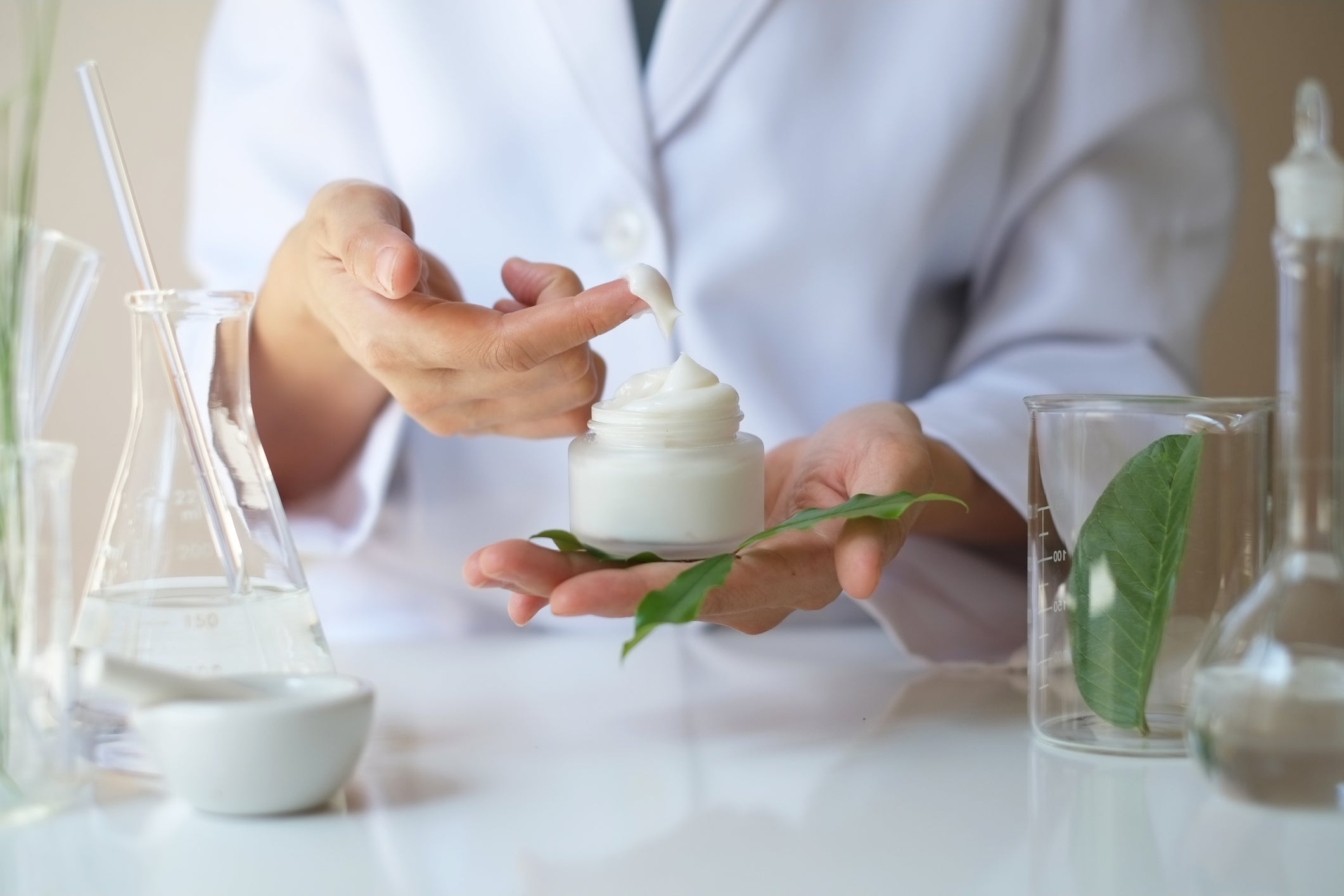
If you have acne-prone skin and have been hearing about tallow as a possible natural option, you are probably also reading conflicting information about whether it helps or makes things worse. Some women swear by tallow for clearing breakouts. Others report that tallow caused the worst breakouts of their life. Both experiences are real, and understanding why the same product produces opposite results in different women is the key to deciding whether tallow is worth trying for your particular skin.
I want to walk you through the honest picture of tallow for acne, who is more likely to benefit, who should approach with caution, and how to test it intelligently if you decide to try it. Our Tallow Cream is built around grass-fed tallow, which matters for the considerations below.
Why Tallow Came Up for Acne in the First Place
Tallow has a unique property that makes it interesting for acne-prone skin: its lipid profile closely matches the natural sebum that human skin produces. The theoretical case for tallow is that it provides skin barrier support without disrupting the natural oil balance, in contrast to many conventional moisturizers that either strip oil or feel heavy and pore-clogging on oily skin.
Some women with acne-prone skin have reported that tallow used consistently helps regulate their skin’s oil production, reduces inflammation, and improves the texture between breakouts. These reports are not universal, but they appear often enough in skincare conversations to warrant serious consideration.
Why Tallow Can Also Make Acne Worse
On the other side, plenty of women report that tallow triggered or worsened their acne. This often happens because the wrong tallow was used, the application was too heavy, or the underlying skin type was not actually well-matched for tallow in the first place. Tallow is technically comedogenic on a per-component basis (some of the fatty acids in tallow have moderate pore-clogging potential), which means it does not work for everyone, particularly women whose acne is driven by clogged pores rather than inflammation.
The distinction here matters. If your acne tends to be deep cystic inflammation that does not improve with traditional pore-clearing products, tallow’s anti-inflammatory and barrier-supporting properties may help. If your acne is primarily blackheads, whiteheads, and surface clogged pores, tallow may make things worse rather than better.
Grass-Fed vs Conventional Tallow
The source of the tallow matters significantly. Grass-fed beef tallow has a different fatty acid profile than tallow from grain-fed cattle, with higher levels of conjugated linoleic acid and anti-inflammatory omega-3 content. For acne-prone skin specifically, this difference can be meaningful. Conventional tallow may produce more inflammatory issues than grass-fed varieties.
Our Tallow Cream uses grass-fed beef tallow specifically for this kind of consideration. The nutritional profile is meaningfully different from generic commercial tallow, and the difference shows up in how well-tolerated the product is on sensitive or reactive skin.
The Inflammation Angle
Where tallow tends to shine most for acne is in inflammatory cystic breakouts. The fat-soluble vitamins in grass-fed tallow (A, D, E, K) and the anti-inflammatory fatty acids may help calm the immune-driven inflammation that produces deep painful pimples. Some women find that switching to tallow as their primary moisturizer reduces the redness and angry appearance of breakouts even when the breakouts themselves still occur.
This anti-inflammatory effect also extends to the marks left behind by acne. Tallow may help reduce the persistent redness (post-inflammatory hyperpigmentation) that lingers after breakouts heal. Our companion post on beef tallow for skin covers more of the broader skin benefits, which apply to acne-prone skin specifically.
How to Test Tallow on Acne-Prone Skin
If you want to try tallow but are concerned about reactions, structured testing gives you the best information. Start with a small patch test on an area not directly on your face (inner forearm, behind the ear) for several days before applying to acne-prone areas. If no reaction develops, try a small amount on one small area of your face for a week before expanding.
Apply only a small amount initially. Tallow is potent and a tiny amount goes far. Heavy application is one of the most common causes of tallow making acne worse. A pea-sized amount or less for the entire face is plenty. Warm it between your palms to spread thinly before pressing into damp skin after washing.
What to Combine Tallow With
Tallow on its own helps with the inflammation and barrier piece. Several other interventions address other aspects of acne. A gentle cleanser (not stripping but effective at removing daily buildup) supports tallow rather than working against it. Topical retinoid products can complement tallow’s barrier support with cell turnover support, though combining them requires care to avoid irritation. Adequate hydration internally supports skin from within.
Daily bone broth supports skin from the inside through its amino acid content, which provides the building blocks for healthy skin tissue. Our bone broth collection is one of the most nourishing internal supports for skin, and the Bone Broth Diet framework incorporates this kind of internal support into a broader nutritional pattern. Combined with topical tallow, the inside-out approach often produces better acne improvements than topical care alone.
Diet and Hormones in the Picture
Tallow is a topical intervention. Acne usually has internal drivers as well, and addressing those is often more important than any topical product. The most common internal acne drivers include hormonal imbalances (particularly around the menstrual cycle, during perimenopause, or with hormonal contraceptives), diet-driven inflammation (excess sugar, dairy in sensitive individuals, ultra-processed foods), stress and inadequate sleep, and gut microbiome imbalances.
Tallow can support the skin while these internal factors are being addressed, but it cannot compensate for them entirely. For acne that does not respond to topical care, looking at the broader picture often reveals the real lever.
When to See a Professional
If your acne is severe, scarring, or significantly affecting your confidence and daily life, working with a dermatologist is the right step. Tallow can be part of a broader approach, but professional evaluation can identify whether prescription treatments would help and rule out conditions that look like acne but are not (rosacea, perioral dermatitis, fungal acne).
Some forms of acne respond best to specific medical treatments that no topical natural product can replace. Knowing when to seek professional help is part of taking your skin seriously.
Building a Tallow-Friendly Acne Routine
Here is a simple framework if you decide to try tallow for acne. Start with a small daily amount of Tallow Cream, applied to slightly damp skin after a gentle cleansing. Patch test first and watch for reactions over the first one to two weeks. Pair with a gentle cleanser, adequate hydration, and a thoughtful diet that limits common acne triggers. Add daily bone broth as internal skin support. Give the routine at least four to eight weeks before judging effects, since acne improvements take time regardless of intervention. If breakouts worsen rather than improve, tallow may not be the right fit for your particular skin and switching to a different barrier-supportive product is sensible. For more on tallow’s other applications, our post on the beef tallow skincare trend covers the broader picture.
Frequently Asked Questions
Will Tallow Cream cause breakouts?
Tallow Cream can cause breakouts in some women whose acne is driven primarily by clogged pores rather than inflammation. For inflammatory cystic acne, Tallow Cream may actually help. Patch testing first and starting with small amounts gives you the best information about how your particular skin responds before committing to regular use.
How long does Tallow Cream take to help with acne?
Acne improvements from Tallow Cream typically take four to eight weeks of consistent daily use to evaluate fairly. Skin turnover happens on a roughly 28-day cycle, and meaningful changes in breakout patterns need at least one to two full cycles to become apparent.
Can Tallow Cream replace my regular acne products?
Tallow Cream is a barrier-supporting moisturizer rather than a treatment product, so it complements rather than replaces active acne treatments. Many women use Tallow Cream alongside their existing cleanser and treatment products, with the Tallow Cream replacing only the moisturizer step in their routine.
What is the difference between Tallow Cream and other acne moisturizers?
Tallow Cream has a lipid profile that closely matches human sebum, which means it tends to integrate into the skin barrier rather than sitting on top and clogging pores. Many conventional acne moisturizers are formulated to be oil-free or non-comedogenic but may not provide the deep barrier repair that Tallow Cream offers for inflammation-driven acne.
|
Compliance Note These statements have not been evaluated by the Food and Drug Administration. This product is not intended to diagnose, treat, cure, or prevent any disease. Results may vary by individual. Consult your healthcare provider before adding any new supplement to your routine. |