
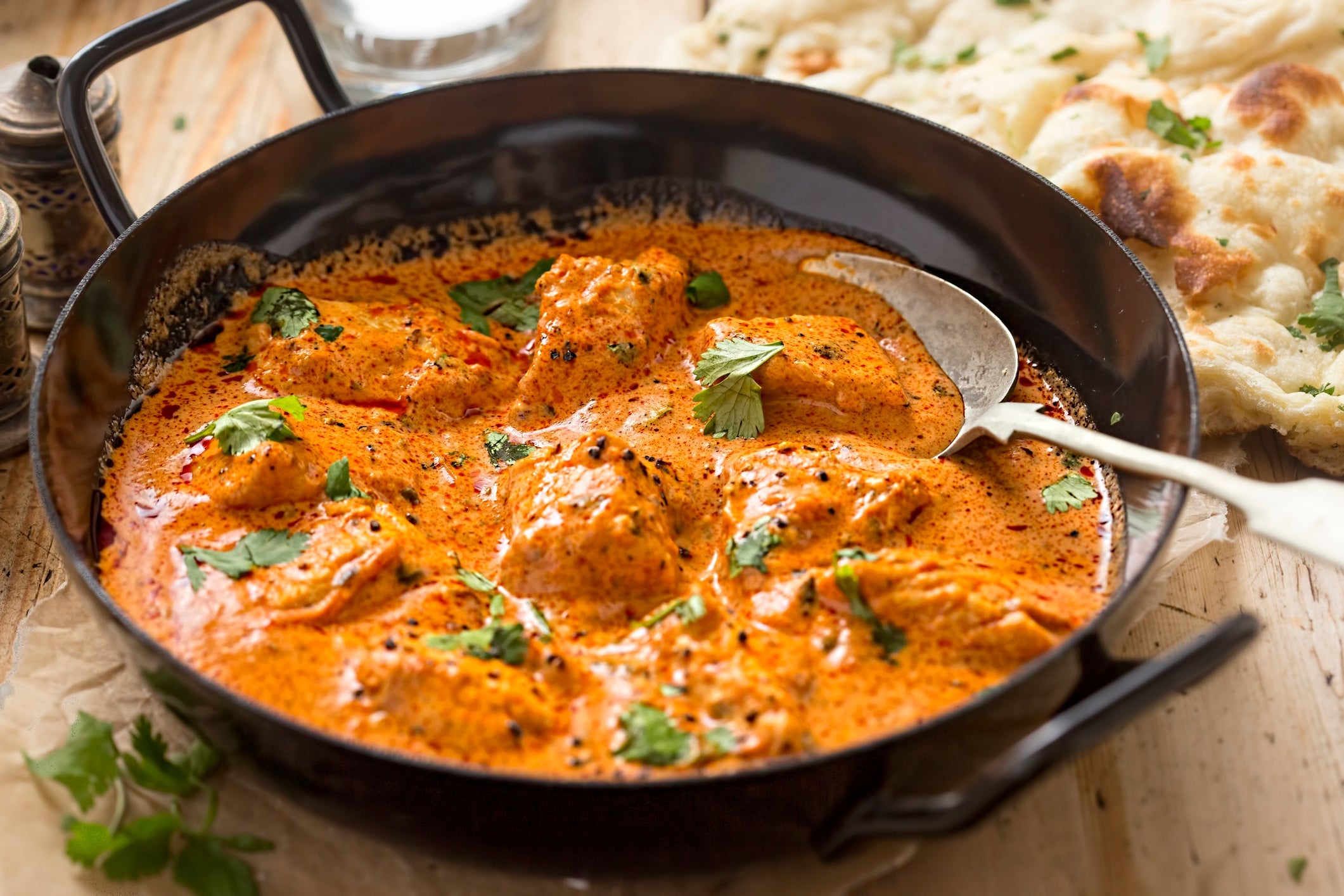
Restaurant-quality Thai-inspired coconut curry at home in 30 minutes is possible when you start with a bone broth base that already has depth. The traditional path to good curry involves either hours of building flavor from raw ingredients or accepting the flatness of curry made with water and store-bought curry paste alone. Using Bone Broth Classic Chicken as the foundation delivers the savory backbone that Thai chefs typically build through slow-simmered stocks, cutting the effective cook time to 30 minutes while producing something meaningfully better than most home curries.
After two decades of clinical practice, my honest observation is that most home curry attempts fall short because the liquid base is thin. Coconut milk provides richness but not savory depth. Curry paste provides flavor but needs a substrate to activate on. Bone broth as the base solves both problems simultaneously and lets the coconut milk and curry paste do what they do best without carrying the weight alone.
Why Bone Broth Transforms Home Curry
Traditional Thai coconut curry is built on layered flavors. In restaurants, this typically means a base stock (often made from bones and aromatics simmered for hours), the curry paste (which contains fresh chiles, lemongrass, galangal, and aromatics), coconut milk for richness, protein and vegetables, and finishing acid and herbs. The base stock is the layer most home cooks skip, which is why home curry often tastes like coconut milk with curry paste rather than the deeper savory-rich profile of restaurant curry.
Substituting Bone Broth Classic Chicken for the traditional base stock closes this gap in one step. The collagen and gelatin in real bone broth add body that transforms the mouthfeel of the finished curry. The protein content contributes to the savory backbone that ties the other ingredients together. Research indexed in NIH’s PubMed database has covered protein density in traditional broth-based preparations.
The Recipe: 30-Minute Coconut Curry
Ingredients (Serves 4)
2 tablespoons coconut oil or avocado oil. 1 diced yellow onion. 3 cloves minced garlic. 1-inch piece fresh ginger, peeled and grated. 3 to 4 tablespoons Thai red curry paste (adjust for heat preference). 2 cups Bone Broth Classic Chicken. 1 can (14 ounces) full-fat coconut milk. 1 pound boneless skinless chicken thighs, cut into bite-size pieces (or shrimp, tofu, or vegetables for variations). 2 tablespoons fish sauce (or tamari for vegetarian). 1 tablespoon coconut sugar or honey (optional, balances the heat). 2 cups sliced vegetables (bell peppers, snap peas, broccoli, or a mix). Juice of 1 lime. Fresh cilantro and Thai basil to finish. Cooked jasmine rice for serving.
Method
Heat oil in a large deep skillet or Dutch oven over medium heat. Add diced onion and cook for 3 to 4 minutes until softened. Add garlic and ginger, cook another 30 seconds until fragrant.
Add the Thai red curry paste and stir constantly for 1 to 2 minutes to bloom the paste in the oil. This step is critical for flavor depth and often skipped in home recipes. The paste will darken slightly and become intensely aromatic.
Pour in the Bone Broth Classic Chicken and coconut milk. Whisk to fully incorporate the curry paste. Add fish sauce and coconut sugar if using. Bring to a simmer, then reduce heat to low.
Add the chicken (or protein of choice) and simmer for 8 to 10 minutes until cooked through. If using shrimp, add for only the final 3 to 4 minutes. If using tofu, add with the vegetables.
Add sliced vegetables in the last 5 minutes so they retain some texture rather than becoming mushy. Adjust cooking time based on the specific vegetables.
Remove from heat. Stir in fresh lime juice. Taste and adjust seasoning with additional fish sauce, salt, or lime. Serve over jasmine rice, garnished with fresh cilantro and Thai basil.
Variations
Vegetarian version: replace chicken with 1 pound firm tofu (pressed and cubed) or add extra vegetables (mushrooms, sweet potato, cauliflower). Use tamari instead of fish sauce.
Green curry variation: substitute Thai green curry paste for the red curry paste. Green curry is typically milder and more herbaceous. Add extra Thai basil at the end.
Massaman-style variation: substitute Massaman curry paste. Add 1 cup diced potato and 1/4 cup roasted peanuts. Simmer longer (20 to 25 minutes) to fully cook the potato. This produces a richer, deeper curry more appropriate for cold weather.
Beef version: substitute Classic Beef Bone Broth for the chicken broth. Use 1 pound of thinly sliced beef (flank or sirloin) added in the final 3 to 5 minutes of cooking to prevent overcooking. This produces a heartier, deeper-flavored curry.
The Bone Broth Advantage in Curry
The finished curry with bone broth as the base has three specific advantages over water-based versions. Body: the collagen and gelatin content give the curry sauce a silky mouthfeel that reads as restaurant-quality. Depth: the savory backbone from real bone broth ties the curry paste and coconut milk together rather than letting them sit as separate flavor layers. Nutrition: the finished curry contains meaningful additional protein and collagen amino acids beyond what the chicken and vegetables provide, making it a more nutritionally-complete meal.
Toppings and Sides
Traditional accompaniments elevate any curry. Serve over jasmine rice or cauliflower rice for a grain-free version. Garnish with fresh cilantro, Thai basil, sliced Thai chiles for additional heat, chopped roasted peanuts, and lime wedges. A simple cucumber salad with rice vinegar makes a bright counterpoint to the rich curry. The Cleveland Clinic has covered the nutritional profile of curry-forward eating patterns in the broader dietary literature.
Making Curry a Weeknight Regular
This curry scales easily and stores well. A double batch on Sunday provides 8 to 12 servings that keep in the refrigerator for 4 to 5 days or in the freezer for 3 months. For meal prep, portion the curry into containers with cooked rice or cauliflower rice on the side to prevent the rice from absorbing the sauce during storage. My guide on how to cook with bone broth covers additional cooking applications beyond soups and curries. The full Bone Broth collection provides flavor variety for different curry variations, and my Bone Broth Diet framework integrates hearty one-pot meals as regular weekly rotation.
Frequently Asked Questions
Can I use Bone Broth Classic Chicken in Thai curry?
Yes, Bone Broth Classic Chicken is an excellent base for Thai coconut curry, providing the savory backbone that traditional home curries often lack. Use 2 cups of Bone Broth Classic Chicken alongside one can of coconut milk for a 4-serving pot of curry. The bone broth adds body, depth, and meaningful additional protein compared to water-based versions.
How much bone broth do I need for coconut curry?
Two cups of Bone Broth Classic Chicken alongside one 14-ounce can of full-fat coconut milk is the standard liquid amount for a 4-serving pot of curry. For a soupier curry, use 2.5 cups of broth. For a thicker curry, use 1.5 cups. The bone broth to coconut milk ratio can be adjusted based on preferred richness.
Can I make bone broth curry vegetarian?
Yes, substitute 1 pound of firm tofu (pressed and cubed) or extra vegetables (mushrooms, sweet potato, cauliflower) for the chicken. Use tamari instead of fish sauce for a fully vegetarian version. The Bone Broth Classic Chicken base still contributes body and depth to the finished vegetarian curry. For a fully vegan version, use Vegan Garden Vegetables Broth as the base instead of bone broth.
Which Bone Broth flavor works best for curry?
Bone Broth Classic Chicken is the most versatile and works with any curry paste style (red, green, yellow, Massaman). Classic Beef Bone Broth is better for heartier beef-based curries. Specialty Thai Lemongrass Bone Broth, if available in the specialty flavor collection, provides a lemongrass-forward base that complements Thai curry particularly well. Match the broth to the curry style you are making.